04 FEBRUARY 2013Rus Business News
RUSAL plans to develop the largest bauxite deposit and alumina refinery in Guinea
Edited by : AL CIRCLE
3 min read

Within six years, UC RUSAL plans to develop the largest bauxite deposit in Guinea and to build an alumina refinery. These plans surprised the experts, since the company already has a plant there, the Friquia, which is sitting idle. Professionals in the field think alumina production in Russia, made from industrial waste and low-grade ores, has a more promising future. Those techniques were tested successfully back during the Soviet era, but UC RUSAL prefers to work with foreigners. This columnist for RusBusinessNews has learned that in the past, overseas projects have helped the company optimize its tax obligations and funnel profits offshore.
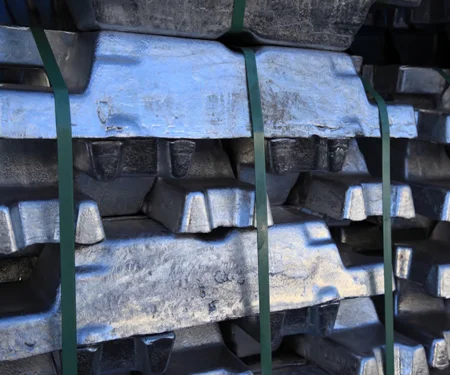
UC RUSAL has outlined a plan to develop the world's largest bauxite deposit, the Dian-Dian, in four stages. During the first phase, a mine will be built with a capacity of three million tons per year, during the second - bauxite production will be increased to nine million tons, then during the third and fourth stages there are plans to construct an alumina refinery and expand its production capacity. If those plans are realized, by 2019 UC RUSAL will be mining 12 million tons of bauxite and producing 2.4 million tons of alumina per year.
The agreement the company has signed with the African country has drawn a mixed response from experts. UC RUSAL's managers have repeatedly claimed that because of the economic crisis, it is cheaper to buy alumina on the market than to produce it at the company's own plants. The global oversupply of raw materials is keeping the company from reopening the Friquia alumina refinery that was shut down in April 2012 after a strike by the workers. New agreements with the Guinean authorities regarding an increase in the production of alumina were established at almost the same time that the Anglo-Australian firm BHP Billiton pulled out of an alumina project in Guinea, selling its stake in the venture for just one dollar.
In addition to their economic woes, mining and metallurgical companies face huge political risks in Guinea, as the government there quite often replaces the owners of mining firms. The Russian firm might run into trouble as well: with their threats to nationalize the mines, the Guineans are keeping Oleg Deripaska's company hanging by a thread. Despite this, as well as a tightening of the mining regulations, UC RUSAL's management has faith in the common sense of the Guinean authorities.
The deputy prime minister of the Sverdlovsk region, Aleksandr Petrov advises the company to think twice before it expands its production of African bauxite: "There's a good Russian proverb that says, 'A cow costs a quarter of copeck across the sea, but it takes a ruble to get it home.' Of course bauxite is less expensive in Guinea, but you could lose everything in that volatile country. I hope the company's managers understand that."
UC RUSAL has outlined a plan to develop the world's largest bauxite deposit, the Dian-Dian, in four stages. During the first phase, a mine will be built with a capacity of three million tons per year, during the second - bauxite production will be increased to nine million tons, then during the third and fourth stages there are plans to construct an alumina refinery and expand its production capacity. If those plans are realized, by 2019 UC RUSAL will be mining 12 million tons of bauxite and producing 2.4 million tons of alumina per year.
The agreement the company has signed with the African country has drawn a mixed response from experts. UC RUSAL's managers have repeatedly claimed that because of the economic crisis, it is cheaper to buy alumina on the market than to produce it at the company's own plants. The global oversupply of raw materials is keeping the company from reopening the Friquia alumina refinery that was shut down in April 2012 after a strike by the workers. New agreements with the Guinean authorities regarding an increase in the production of alumina were established at almost the same time that the Anglo-Australian firm BHP Billiton pulled out of an alumina project in Guinea, selling its stake in the venture for just one dollar.
In addition to their economic woes, mining and metallurgical companies face huge political risks in Guinea, as the government there quite often replaces the owners of mining firms. The Russian firm might run into trouble as well: with their threats to nationalize the mines, the Guineans are keeping Oleg Deripaska's company hanging by a thread. Despite this, as well as a tightening of the mining regulations, UC RUSAL's management has faith in the common sense of the Guinean authorities.
The deputy prime minister of the Sverdlovsk region, Aleksandr Petrov advises the company to think twice before it expands its production of African bauxite: "There's a good Russian proverb that says, 'A cow costs a quarter of copeck across the sea, but it takes a ruble to get it home.' Of course bauxite is less expensive in Guinea, but you could lose everything in that volatile country. I hope the company's managers understand that."
Previous article
More bauxite discovered in Fiji
Next articleFarmers in Jamaica upset over bauxite payments
Grow with
AL Circle