Rising copper prices accelerate shift towards aluminium wiring in automotive industry
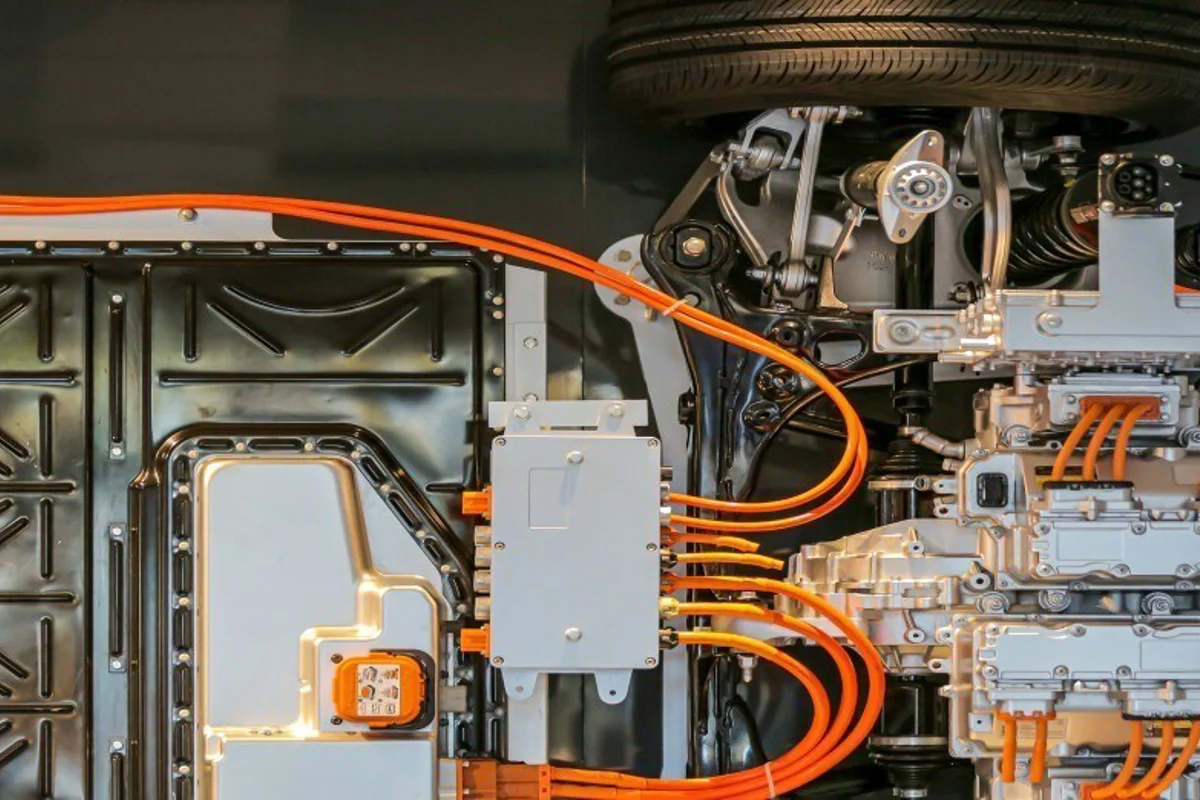
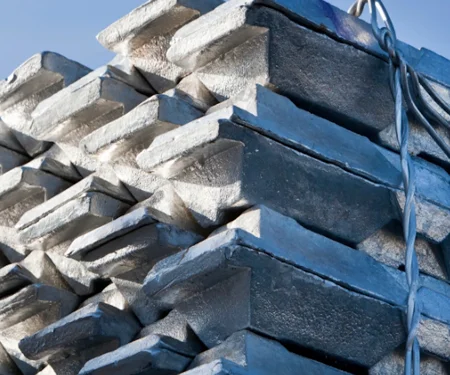
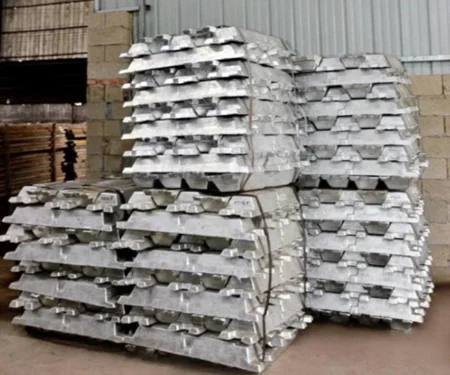
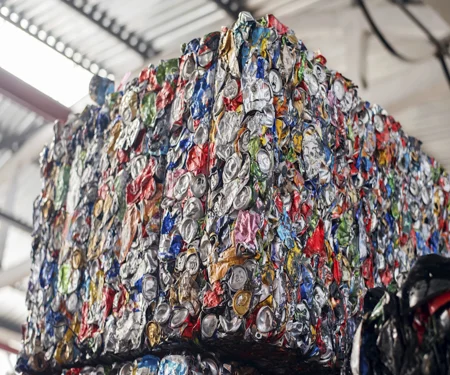
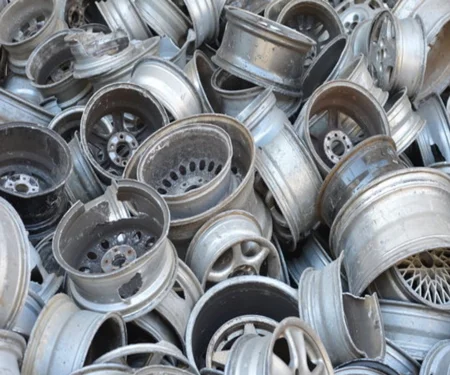
Stock image for referential purposes only
Rising copper prices are encouraging automakers and manufacturers to increase the use of aluminium wiring as a lower-cost and lighter alternative, with companies such as Ferrari and BMW expanding its adoption across new vehicle models.
The shift comes as the price ratio between copper and aluminium has climbed above 4.2, making aluminium a more economical option for electrical wiring. Although aluminium offers around 61 per cent of copper's electrical conductivity, it costs roughly one-quarter as much, allowing manufacturers to reduce material costs by using thicker aluminium cables where design requirements permit.
Vehicle weight has also become a major consideration, particularly for electric vehicles. Copper is around 3.3 times heavier than aluminium, making aluminium wiring an attractive solution for improving vehicle efficiency and extending driving range.
Ferrari introduced aluminium wiring in its 296 Hybrid sports car last year before extending its use to additional models, including the recently launched Luce electric vehicle. According to the company, the transition has reduced wiring weight by 15 to 20 per cent. Ferrari's Head of Research and Development, Dario Esposito, said the company selected aluminium primarily for its technical advantages and weight reduction rather than its lower cost.
Explore: The most comprehensive and forward-looking industry-focused report – Global Bauxite & Alumina Market Forecast to 2036: Supply–Demand, Trade Flows & Price Outlook
BMW has also expanded the use of aluminium conductors across both high- and low-voltage systems since introducing its sixth-generation eDrive technology last year. The automaker first began using aluminium conductors in selected models in 2011 and has gradually increased their application in hybrid and electric vehicles.
The trend is spreading across the wider automotive sector. Industry sources indicate that Stellantis has also begun replacing copper wiring with aluminium, while Chinese electric vehicle manufacturers including AVATR, XPeng and Xiaomi, along with Tesla, have adopted aluminium wiring in selected models.
Outside the automotive industry, manufacturers are also turning to aluminium as copper prices continue to rise. Norwegian aluminium producer Hydro said demand for aluminium heat exchangers and piping is increasing, while cable manufacturer Nexans noted that aluminium becomes commercially attractive when copper trades at around 3.5 times its price.
Analysts expect the material substitution trend to continue. According to JPMorgan, aluminium could replace around 2 per cent of global annual copper demand this year, rising to approximately 6 per cent by 2030 as demand for copper continues to grow across renewable energy, data centres and electrification.
Explore our e-magazine ALuminium LeaderSpeak 2026 for the latest industry insights and trends.
Sydney’s new Wattle Building combines aluminium architecture with child-centred healthcare
Next articleAluminium infrastructure increasingly targeted as power network vandalism rises in Zimbabwe
Grow with
AL Circle