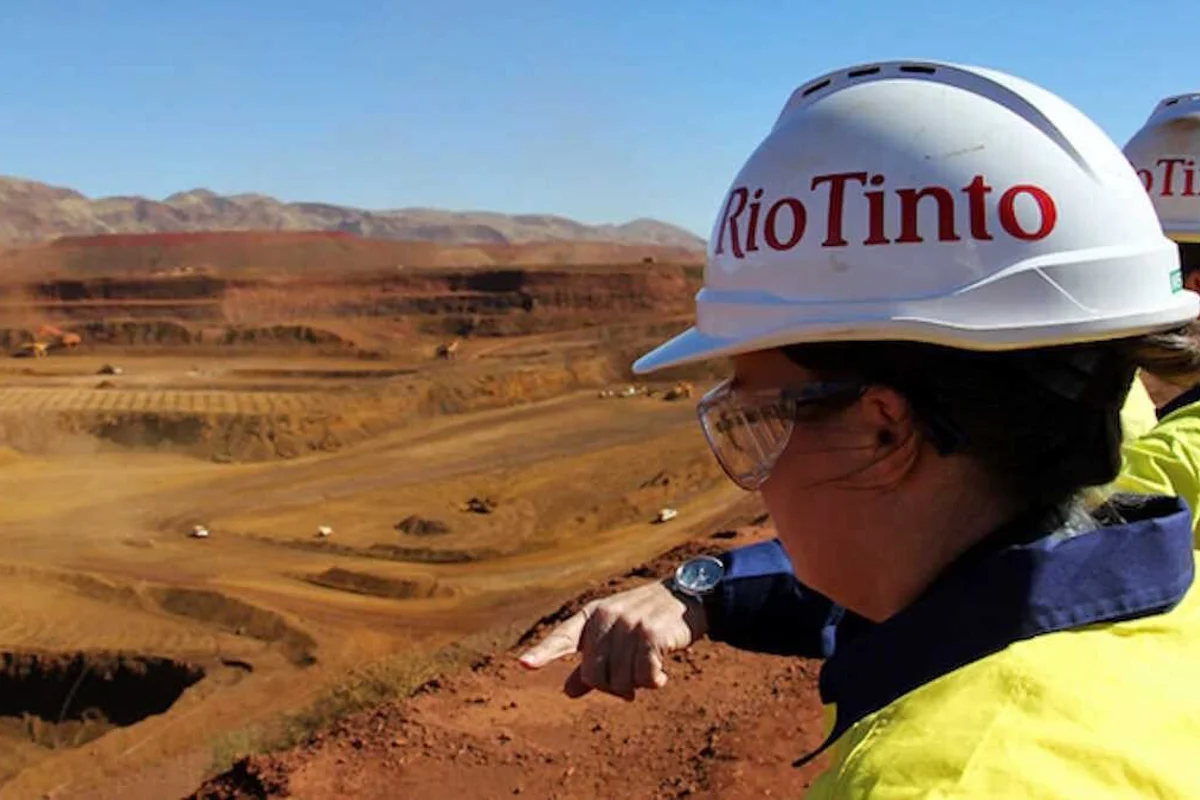
Rio Tinto, a leading global mining group focused on finding, mining and processing the Earth's mineral resources, has wrapped up another year with impressive operation growth, as highlighted by its CY2024 results. From production volume to energy efficiency or safety measures, the company has demonstrated tangible improvements across all areas.
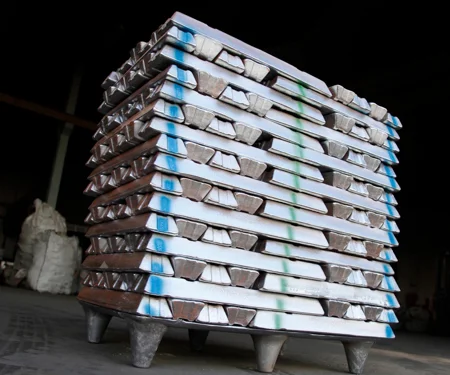
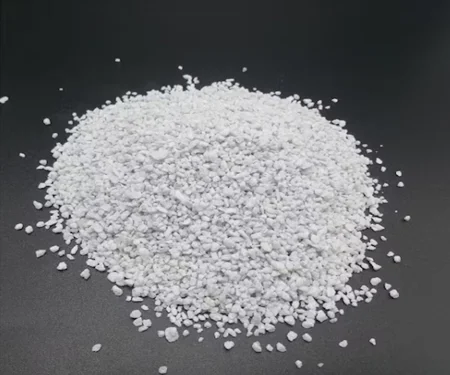
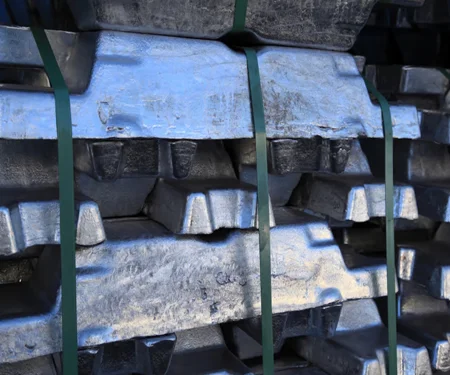
In the full year 2024, Rio Tinto's bauxite production summed up at 58.7 million tonnes, reflecting a 7.5 per cent year-on-year rise from 54.6 million tonnes in 2023, following an annual increase of 2 per cent in the final quarter (Q4) output to 15.4 million tonnes, attributed to the implementation of the Safe Production System, delivering record annual production at Amrun and Gove. The company's aluminium production also grew in 2024, amounting to 3.296 million tonnes. However, growth was only by 1 per cent, offset by back-to-back declines in Q3 and Q4 aluminium output. In Q3, Rio's aluminium production was down by 2 per cent Y-o-Y to 809,000 tonnes, and in Q4, the output was 1 per cent less, standing at 837,000 tonnes.
Until the first half of 2024, Rio Tinto's bauxite production was 28.1 million tonnes; hence, the output in H2 was 30.6 million tonnes, marking a growth of 9 per cent. On the contrary, the company's aluminium production in H2 stood slightly down from H1, at 1.646 million tonnes versus 1.65 million tonnes.
Nonetheless, Rio Tinto's aluminium production showed a steady trajectory, given the continued closure programme at Arvida and output cut due to energy usage regulation at the New Zealand Aluminium Smelter. The positive contributing factors for the year were the ramp-up of Kitimat smelter and increased ownership of Boyne.
Commenting on the production growth, Rio Tinto Chief Executive Jakob Stausholm said: "Our operating performance in 2024 was good, consistent with our ongoing commitment to strengthen the business as we execute our strategy to deliver profitable growth. The implementation of our Safe Production System has again contributed to greater consistency across key operations, including our iron ore assets in the Pilbara and our bauxite operations in Australia, where Amrun and Gove achieved record annual production."
Rio's strategic moves through 2024
As stated by the company, deploying the Safe Production System at 31 sites was one of the key factors contributing to enhanced production. The system helped Rio achieve the annual production uplift target of 5 million tonnes across all its business sectors.
Ownership expansion in Boyne Smelters Ltd (BSL) also proved to be a strategic move towards boosting production. Rio Tinto acquired Mitsubishi Corporation's 11.65 per cent stake in Boyne Smelters Ltd (BSL), which owns and operates the Boyne Island aluminium smelter in Gladstone, Australia. Rio's stake in BSL increased to 73.5 per cent following the transaction with Mitsubishi Corporation and Sumitomo Chemical Company.
To strengthen the operation at its new plant Arvida aluminium smelter in Quebec, Rio Tinto has decided to deploy carbon-free aluminium electrolysis tanks, leveraging ELYSIS technology invented by a ground-breaking partnership between Alcoa and Rio Tinto. While this move will enable better production and operation at Arvida, it will allow Rio Tinto to learn about the full industrialisation of ELYSIS MD technology. Rio's new Arvida aluminium smelter, located adjacent to the existing Arvida aluminium complex, will have a production capacity of up to 2,500 tonnes of commercial-grade aluminium per year.
Rio Tinto's correspondence with Chinalco Group for a strategic partnership is also viewed as a wise collaboration for efficient operations. Jakob Stausholm, CEO of the Rio Tinto Group, perceives this collaboration as an opportunity to capitalise on each other's strengths, enhance production efficiency, and boost returns. Both companies seek strategic mutual trust, a culture of shared learning, and mutually beneficial development from this partnership.
Overall, the production growth, operational improvements, and strategic initiatives mark a remarkable success for Rio Tinto, especially after navigating through energy crisis challenges related to the need to decarbonise its mining operations and acute gas supply shortage due to a fire outbreak at the Queensland Gas Pipeline near Bauhinia Downs, leading to the declaration of force majeure on third-party contracts for alumina exports from its refineries in Queensland. However, a few months later, in November, Rio Tinto resumed alumina exports and returned to normal operation levels.