27 OCTOBER 2011MEDILL REPORTS
Reduce, reuse, recycle takes on a new meaning in West Africa
Edited by : AL CIRCLE
3 min read

In the U.S., we recycle because we should. In West Africa, they recycle because they must. In a world where survival trumps going green, the pleasant mantra of reduce, reuse, recycle becomes more of a financial necessity.
“Recycling is characteristic of the informal economy,” said Emily Osborn, assistant professor of African history at the University of Chicago. “When resources are thin, you figure out ways to make do with the resources you have.”
Osborn spent 11 months researching in West Africa for her upcoming book, “Recycling Traditions: Aluminum Casting and the Making of a Modern African Diaspora,” which she hopes to finish by next summer. Although her focus lies in aluminum casting, she said different types of recycling are a huge form of income for many West Africans.
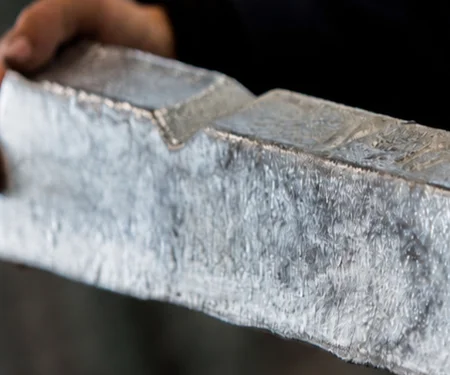
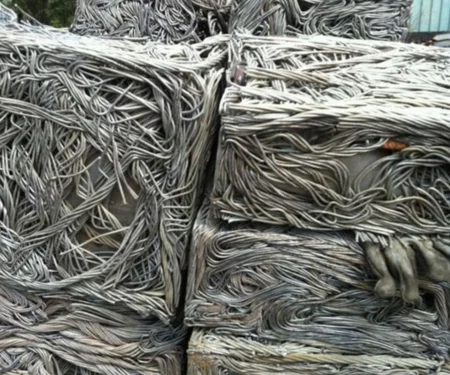
She learned about the process of sandcasting, which involves melting down scrap aluminum and pouring it into molds made from sand to create cooking pots, teapots, motorcycle parts, spoons and other objects.
The craft gained popularity in West Africa after World War II, as scrap aluminum started to be made more available. Many have made their living by selling the products of aluminum casting, but, Osborn said, the process is only suited for local, informal markets.
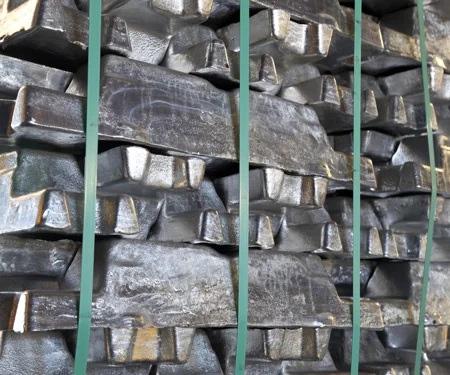
The irony of aluminum casting is that Guinea sits on one of the world’s largest supplies of bauxite, a raw material used to make aluminum. The material is mined in West Africa, exported and made into aluminum products in the U.S., which are then exported back to West Africa and eventually cast into new objects.
“The beauty of the aluminum is that once it’s aluminum, it’s very cheap to melt it down into something else,” Osborn said. “But it’s incredibly expensive and energy-intensive to turn it from bauxite to aluminum.”
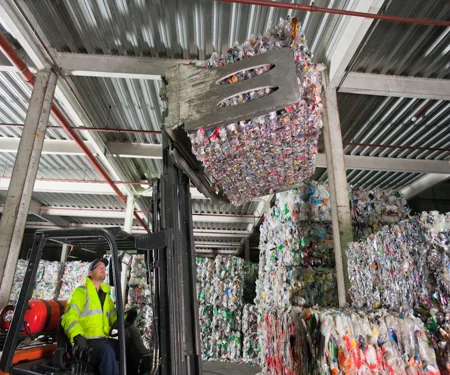
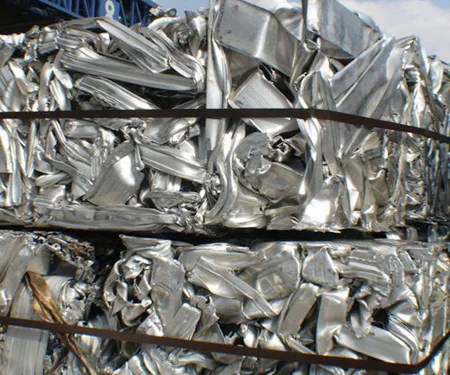
In the U.S., scrap aluminum is put into recycling bins or picked up by scrappers who scavenge to make a profit off of the metal, but the markets have similarities.
“Casters in West Africa are well aware of the prices being paid for aluminum along the coast, just as the people driving the alleys in Chicago are aware of the price at local metal recyclers,” Osborn said.
Although aluminum is a global commodity, there are contrasting motivations to recycle it.
“[Recycling] is imperative and a way of life there,” Osborn said. “Here, we do it because it’s environmentally correct and more of an ethical and moral issue as opposed to an economic and material necessity.”
“Recycling is characteristic of the informal economy,” said Emily Osborn, assistant professor of African history at the University of Chicago. “When resources are thin, you figure out ways to make do with the resources you have.”
Osborn spent 11 months researching in West Africa for her upcoming book, “Recycling Traditions: Aluminum Casting and the Making of a Modern African Diaspora,” which she hopes to finish by next summer. Although her focus lies in aluminum casting, she said different types of recycling are a huge form of income for many West Africans.
She learned about the process of sandcasting, which involves melting down scrap aluminum and pouring it into molds made from sand to create cooking pots, teapots, motorcycle parts, spoons and other objects.
The craft gained popularity in West Africa after World War II, as scrap aluminum started to be made more available. Many have made their living by selling the products of aluminum casting, but, Osborn said, the process is only suited for local, informal markets.
The irony of aluminum casting is that Guinea sits on one of the world’s largest supplies of bauxite, a raw material used to make aluminum. The material is mined in West Africa, exported and made into aluminum products in the U.S., which are then exported back to West Africa and eventually cast into new objects.
“The beauty of the aluminum is that once it’s aluminum, it’s very cheap to melt it down into something else,” Osborn said. “But it’s incredibly expensive and energy-intensive to turn it from bauxite to aluminum.”
In the U.S., scrap aluminum is put into recycling bins or picked up by scrappers who scavenge to make a profit off of the metal, but the markets have similarities.
“Casters in West Africa are well aware of the prices being paid for aluminum along the coast, just as the people driving the alleys in Chicago are aware of the price at local metal recyclers,” Osborn said.
Although aluminum is a global commodity, there are contrasting motivations to recycle it.
“[Recycling] is imperative and a way of life there,” Osborn said. “Here, we do it because it’s environmentally correct and more of an ethical and moral issue as opposed to an economic and material necessity.”
Previous article
European aluminium scrap prices down but market confident
Next articleNissan sets industry-leading recycled targets
Grow with
AL Circle