Powerful human performance tool 'Stop and Seek Help' preventing conveyor belt mishaps carrying bauxite
Lately, intuitiveness and acuteness combined with exhaustive experience in conveyor belt maintenance and repair tasks shaved off prospective mishap proceedings just before the last minute.
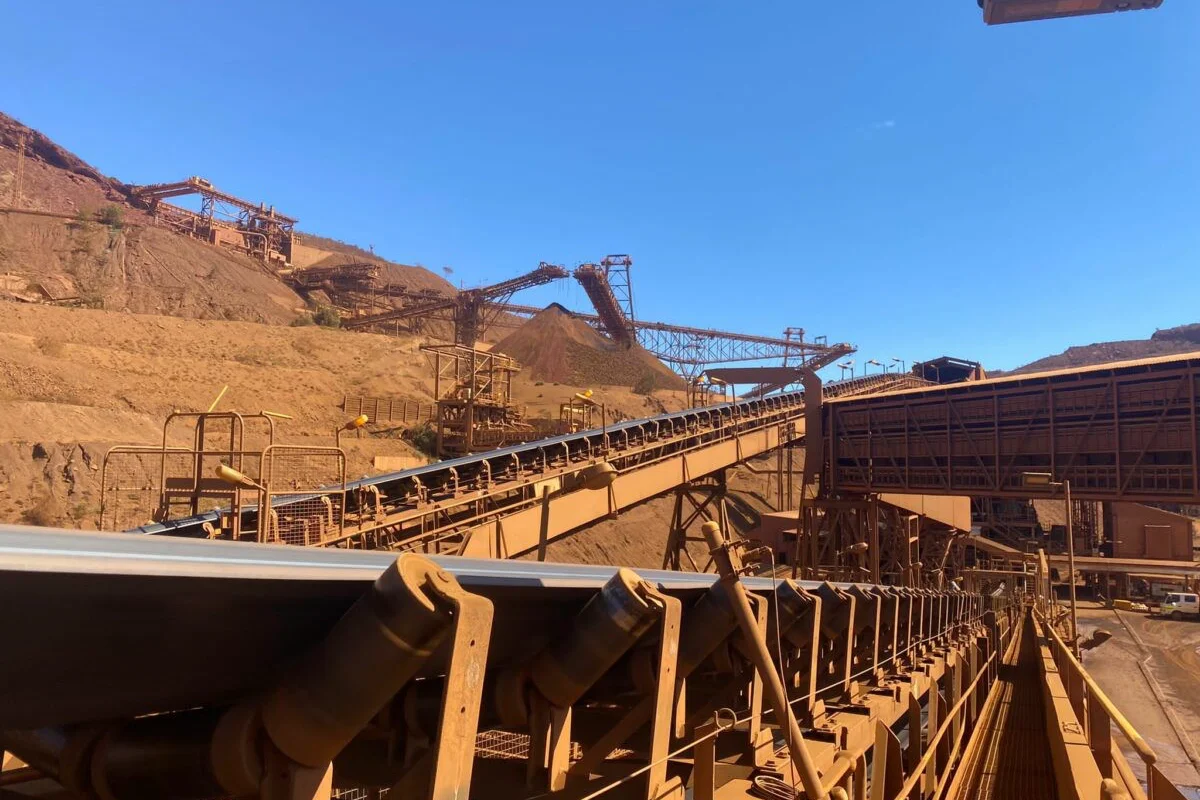
The Rio Tinto Australia Gove (RTAG) bauxite operations in Nhulunbuy, Northern Territory, are bound by only one vital conveyor belt connecting the mine pit to the port.
Accidental maintenance failures outside usually lined-up downtime stoppages for this crucial conveyor system established enhanced safety risks to onsite teams and are incredibly big-budgeted and unwanted.
At the high end of Australia, Rio Tinto’s Gove operation exports just less than 12 million tonnes of some of the world’s premium quality bauxite globally. The C6-7 artery belt delivers 1750 tonnes per hour from the mine to the port to wait for bulk ore carriers.
As bauxite is quite a sticky substance, the conveyors are tooled with a belt turnover at the head and tail of each section so that carry-back can be better removed.
Diversely, the sticking carry-back would rapidly generate significant damage, desiring more maintenance and halts.
Rio Tinto Australia Gove (RTAG) employs its own mechanical and conveyor maintenance staff. In contrast, many other mines and processing facilities enlist the additional aid of specialist contractor teams, majorly for site maintenance.
During one of the five regular scheduled maintenance shutdowns each year, a maintenance technician mobilising from one conveyor site to another noticed the smell of hot rubber.
Many conveyors were operating around the area, and identifying which was the one overheating would have been quite an accidental inconvenience which would have engendered an unexpected slowdown in the maintenance exercise.
For several years, Geoff Dixon, a Contitech’s RTAG FIFO maintenance shutdown team, felt strongly about his obligations and trusted his instincts.
So, he examined it until he found it and shut down the culprit conveyor immediately.
The C6-5 belt and its turnover section had dislodged and engaged with part of the roller frame. Now, had it not stopped then and there, a significant breakdown event would have materialized, possibly within minutes rather than hours.
Dave Watson, the Superintendent of mechanical and conveyor maintenance, said, “If Geoff didn’t have the owner’s mindset at heart and followed up and investigated based on his gut feeling, the C6-5 conveyor belt could have catastrophically failed, which would have introduced several hundred hours of creditable fatality risk and millions of dollars in lost production."
“This behaviour shown by Geoff is directly in line with our Rio Tinto core values of care, courage, and curiosity. ‘Stop and Seek Help' is a powerful Human Performance Tool we introduced seven years ago."
Watson added, "It has been one of the biggest successes in shifting our mindset in making our team feel safe when asking for help instead of being grilled and told just to figure it out yourself."

"We've been using Contitech's conveyor maintenance crews for several years now and are extremely happy with their attitude to safety above everything else, and a positive 'does whatever it takes attitude."
"Collaboration between our teams and theirs has consistently been the hallmark of our relationship."
"Recently, when Covid was hitting us hard up here, having to deal with regional airline stoppages, random testing etc., and we needed immediate help with an ad hoc belt change out, I contacted Alan Anderson at Contitech to see if he could help.
Canyon Resources reports the commencement of resource activities on the Makan bauxite permit
Next articleCanyon Resources secures 'Certificate of Environmental Compliance' for its Minim-Martap bauxite project
Grow with
AL Circle