Pacific alumina market expected to strengthen in Q3 amid Guinea bauxite uncertainty

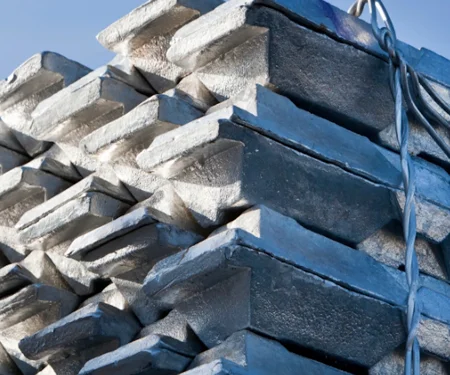
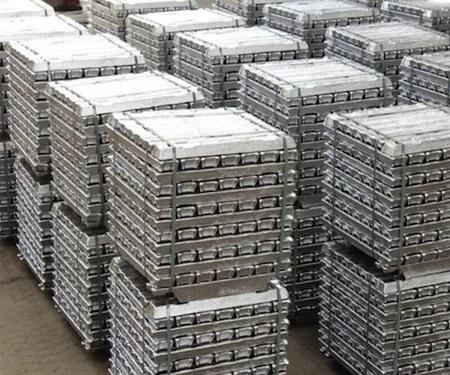
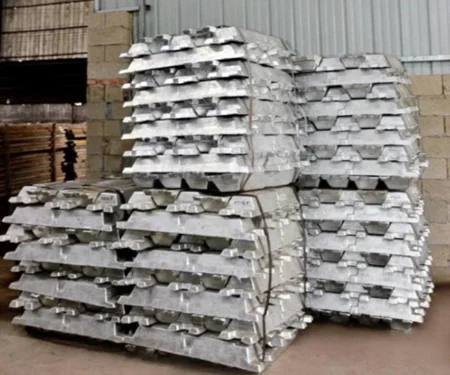
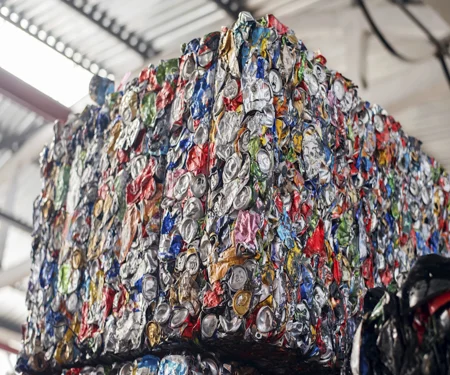
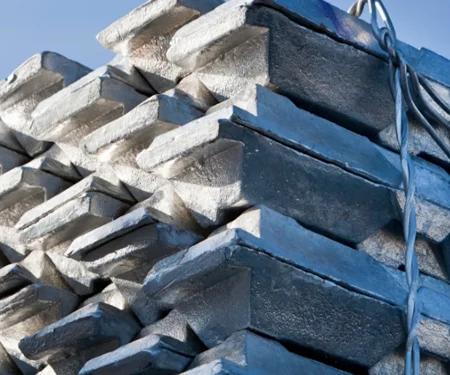
The image used in this article is generated with an AI tool and does not depict any real-time moment
The Pacific alumina market is expected to find stronger support in the third quarter of 2026 as uncertainty over Guinea's proposed bauxite export controls, rising aluminium demand in Indonesia and the gradual recovery of Middle Eastern smelting operations begin to ease the surplus seen in the previous quarter. Although the market remains well supplied, participants expect supply and demand conditions to tighten compared with Q2, according to S&P Global Commodity Insights' CERA analysis.
Supply concerns have centred on Guinea, where possible export restrictions have raised questions over future bauxite availability. China, which relies heavily on Guinean bauxite, imported a record 23 million tonnes of bauxite in May, up 31.9 per cent year on year, with Guinea accounting for 85.1 per cent of total imports as refiners increased purchases ahead of any policy changes. While high bauxite inventories are expected to cushion the immediate impact of any restrictions, tighter feedstock supply could raise costs for Chinese refiners and support alumina prices later in the year.
During the second quarter, the market remained under pressure after disruptions at Middle Eastern smelters reduced regional demand and redirected aluminium cargoes to the Pacific market. China's alumina market also faced surplus conditions as imports increased and new refining capacity came online, including the 2.4 million-tonne-per-year Fangchenggang refinery in Guangxi. CERA estimates the global alumina market will remain in surplus by 1.79 million tonnes in 2026, compared with an estimated surplus of 2.4 million tonnes in 2025.
The Pacific alumina market also received support from improving price sentiment in June. Chinese alumina futures rose after renewed speculation over Guinea's export policy. The Shanghai Futures Exchange's most-active September alumina contract climbed to USD 425.39 per tonne on June 11, while CIF China bauxite prices reached a quarterly high of USD 69.50 per dry tonne (dmt), according to Platts data.
To know the long-term bauxite market forecast, book our report: “Global Bauxite & Alumina Market Forecast to 2036: Supply–Demand, Trade Flows & Price Outlook”
FOB Australia alumina prices increased to USD 330 per tonne on June 26 from USD 305 per tonne in early June. The average FOB Australia alumina price was USD 307.42 per tonne in Q2, slightly higher than USD 306.91 per tonne in Q1. Spot availability tightened as producers held back cargoes amid policy uncertainty, and buyers reported fewer offers for July and August shipments.
Platts assessed CIF China alumina at an average of USD 340.74 per tonne in Q2, up 2.83 per cent from the previous quarter. Chinese domestic alumina prices averaged USD 399 per tonne ex-works in Shanxi, up 1.62 per cent. Meanwhile, the FOB Brazil alumina premium over FOB Australia material averaged USD 39.69 per tonne in Q2, up 38.57 per cent quarter on quarter, reflecting tighter availability in the Atlantic basin and steady refinery demand.
Indonesia is expected to provide additional demand support in the second half of 2026 as aluminium production capacity continues to expand. CERA forecasts the country's aluminium output could reach about 1.2 million tonnes this year, nearly double 2025 levels. At the same time, recovery in Middle Eastern demand is expected to be gradual. Although Emirates Global Aluminium has resumed hot metal casting at its Al Taweelah smelter, the company expects it will take up to a year to return to pre-conflict production levels.
Market participants said third-quarter price movements are likely to depend on developments surrounding Guinea's export policy and the pace of demand growth, rather than any immediate shift in physical supply-demand fundamentals.
Impact Minerals receives R&D rebate for Lake Hope high-purity alumina project
Next articleSouth32 FY26: Brazil aluminium output rises 4%; Worsley alumina holds steady; Mozal pauses
Grow with
AL Circle