North American aluminum demand rises 3.5% in H1 2026 as imports offset domestic supply decline

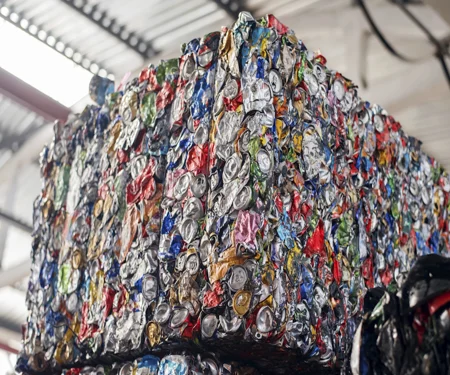
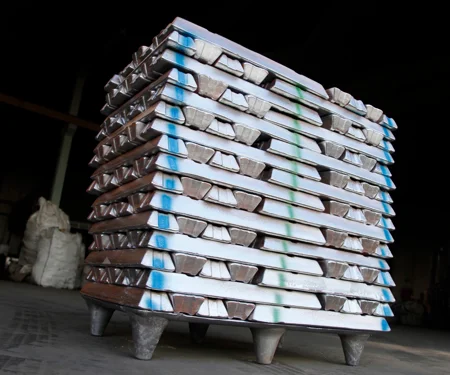
The image used in this article is generated with an AI tool and does not depict any real-time moment.
North American aluminum demand returned to growth in the first half of 2026, but the recovery has exposed a widening gap between market consumption and domestic production. Rising imports of semi-fabricated aluminum products, particularly sheet, have supported regional demand as shipments from US and Canadian producers continue to weaken.
According to preliminary industry estimates, aluminum demand across the United States and Canada increased 3.5% Year-on-Year through June 2026, reaching an estimated 13.57 billion pounds (6.16 million metric tonnes), compared with 13.12 billion pounds (5.95 million metric tonnes) during the corresponding period of 2025. The improvement marks a reversal from the previous year's contraction, although imports rather than stronger domestic mill shipments have largely driven the recovery.
Aluminum demand grows as imports strengthen North American supply
Demand for semi-fabricated aluminum products, including sheet, plate, extrusions and other mill products, reached 9.87 billion pounds (4.48 million metric tonnes) during the reporting period, registering a 1.5% year-on-year increase.
Meanwhile, apparent aluminum consumption, calculated as domestic demand less exports, advanced 1.8% to an estimated 12.14 billion pounds (5.51 million metric tonnes). The increase indicates continued demand from North American manufacturers, even as domestic production faces supply-side challenges.
Explore the production, demand and consumption forecasts of bauxite and alumina in our report: "Global Bauxite & Alumina Market Forecast to 2036: Supply–Demand, Trade Flows & Price Outlook"
However, the underlying shipment figures reveal a different picture. Deliveries of semi-fabricated aluminum products from US and Canadian producers declined 3.6% Y-o-Y through June, highlighting the disconnect between rising regional demand and domestic manufacturing performance.
Imports of semi-fabricated aluminum, particularly sheet, played a significant role in filling this supply gap as manufacturers sought to offset domestic production disruptions. Additionally, increased Canadian exports of aluminum ingot to third-country markets contributed to the overall regional demand calculation.
Charles Johnson flags growing dependence on imported aluminum
Commenting on the latest market developments, Charles Johnson, President and CEO of the Aluminum Association, highlighted the contrasting trends in regional demand and domestic shipments.
“North American aluminum demand is moving in the right direction, but the underlying numbers tell a more complicated story,” Charles said. “While overall demand is growing, domestic mill shipments continue to decline as imports fill much of the gap.”
The latest figures follow an estimated 0.8% decline in North American aluminum demand during 2025, making the current recovery particularly significant for regional manufacturers and suppliers.
The divergence between consumption and domestic shipments also raises questions about the industry’s ability to translate stronger market demand into increased domestic production, particularly as manufacturers continue to rely on imported semi-fabricated materials.
Looking for unwrought aluminium business opportunities (Aluminium Ingot, A7 Ingot, 99.7% Purity Ingot, P1020, Primary AL Ingot Remelt Ingot, Alloy Ingot, T-Bar Ingot, Sow Ingot, High Purity Ingot, A8 Ingot, A9 Ingot, LME-Grade Ingot, Foundry Ingot)? Explore potential leads of primary aluminium on AL Biz
Aluminum Association pushes for stronger US production capacity
Against this backdrop, the Aluminum Association is advocating a broader strategy to strengthen the US aluminum supply chain through its recently launched America Needs Aluminum campaign.
The initiative calls for an all-of-the-above approach to meeting rising demand through expanded primary and recycled aluminum production, access to affordable and reliable energy, increased domestic manufacturing investment and targeted trade enforcement against unfairly traded metal.
Johnson further emphasized the importance of strengthening domestic production while maintaining the availability of aluminum for manufacturers.
“America needs aluminum -- and we should be making and recycling more of it here at home,” Johnson added. “That means strengthening our domestic producers while ensuring manufacturers have access to the metal they need to compete. That’s why the industry continues to advocate for policies – from targeted trade enforcement and scrap export controls to permitting reform and common sense recycling rules – that will turn growing demand into more American jobs, investment and production.”
The push comes as the US aluminum industry has invested more than USD 11 billion in domestic operations over the past decade, with much of the capital directed towards midstream and downstream manufacturing and recycling activities.
Information credit: https://www.aluminum.org/
Showcase your brand, aluminium recycling initiatives and sustainability vision in our upcoming magazine - Sustainability & Recycling: Aluminium’s Commitment 2026.
Grow with
AL Circle