New Zealand aluminium extruders urge urgent safeguard action as imports surge 38%
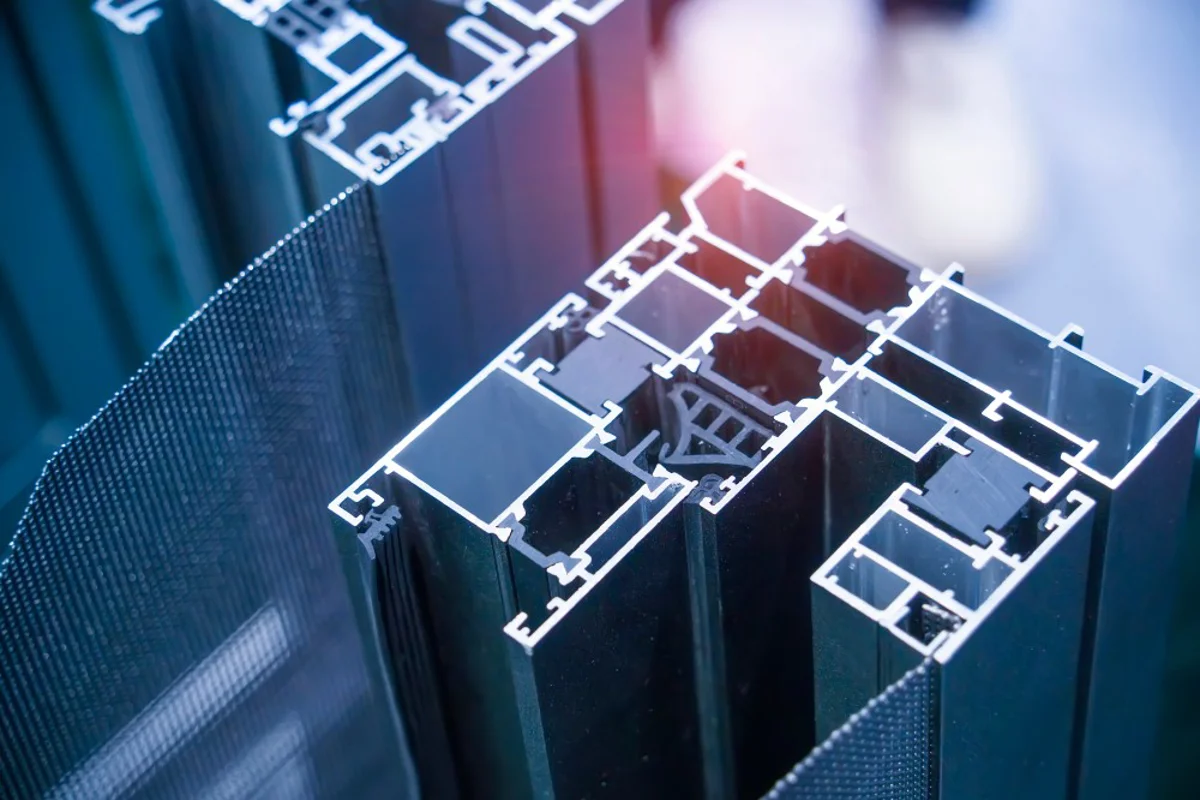
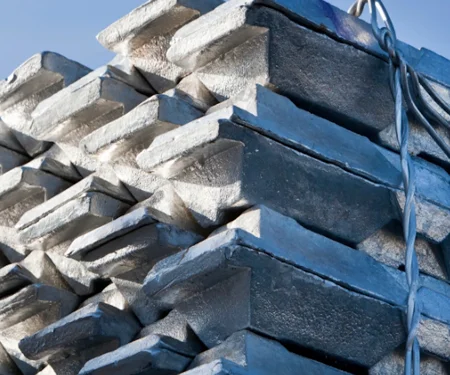
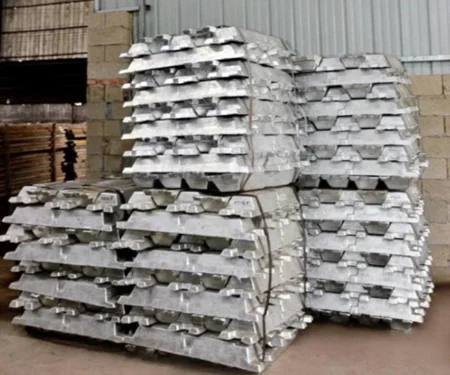
Stock image for referential purposes only
ALENZ is calling for provisional trade protection as rising low-cost aluminium extrusion imports put pressure on domestic producers during an ongoing safeguard investigation.
New Zealand's aluminium extrusion industry is urging the government to introduce temporary trade protection as imports surge 38 per cent year-on-year, putting pressure on local manufacturers while a safeguard investigation is underway.
The Aluminium Extruders Association of New Zealand (ALENZ) asked the Ministry of Business, Innovation and Employment (MBIE) in January to investigate whether safeguard measures should be applied under the Trade (Safeguard Measures) Act.
MBIE began an 85-day investigation in May, after the government accepted the need to examine the industry's concerns. ALENZ is now calling for a provisional duty to be imposed while the investigation continues, arguing that local manufacturers are already facing harm from low-cost imports.
Join the webinar by Alberto Monje Gama to learn about recycled aluminium, CBAM and trust
Industry seeks temporary protection
Under New Zealand's trade-remedy legislation, the government can impose a temporary provisional duty while a safeguard investigation is in progress.
ALENZ argues that such action is needed because import volumes are rising while prices remain unusually low. The association says importers are increasing purchases ahead of the investigation's outcome, adding pressure on domestic extrusion businesses.
According to ALENZ, some local companies have already begun cutting staff hours, raising concerns that prolonged pressure could result in permanent job losses and the loss of domestic manufacturing capability.
The association says New Zealand is one of only two aluminium-producing countries without trade protection for its aluminium industries, while other major markets have introduced measures affecting aluminium extrusions.
Pressure from global oversupply
ALENZ attributes the influx of low-cost material to global aluminium overcapacity, overseas subsidies and restricted market access, arguing that excess production is increasingly being directed towards open markets.
The association also points to a sharp contraction in China's construction industry, a major consumer of aluminium, as an additional source of pressure on global supply. It says constructed area fell from 1.2 billion square metres in 2022 to 586 million square metres in 2025.
Imports from Sri Lanka, Malaysia and Vietnam are also contributing to the pressure, according to the association. In some cases, ALENZ says imported extrusions are being offered at prices only marginally above the cost of aluminium billet, which accounts for around 60–80 per cent of local production costs.
To explore trade opportunities of secondary aluminium, visit AL Biz
Local manufacturers highlight supply-chain role
The domestic extrusion industry employs around 1,000 people directly and supports another 5,000–6,000 jobs across the wider supply chain, according to ALENZ.
The association says local manufacturers have invested in production facilities and equipment and use New Zealand aluminium to produce products with low embodied carbon.
It also argues that domestic extruders provide customers with benefits that imported products can struggle to match, including smaller order sizes, technical support, shorter lead times and greater resilience against international supply-chain disruptions.
ALENZ maintains that safeguard measures would not close New Zealand's market to imports, but would instead provide temporary protection when a sudden increase in imports causes serious injury to domestic producers.
With the MBIE investigation continuing, the industry is pressing the government to act before further reductions in working hours translate into permanent job losses and the loss of local extrusion capacity.
Showcase your brand, aluminium recycling initiatives and sustainability vision in our upcoming magazine: Sustainability & Recycling: Aluminium’s Commitment 2026.
Alamtri Resources enters new growth phase as aluminium smelter ramps up
Next articleNew 25,882 sqm plot expands ZF Steering Gear’s aluminium project site in Maharashtra
Grow with
AL Circle