From raw resources to battery-ready materials: Australia's downstream ambitions take shape
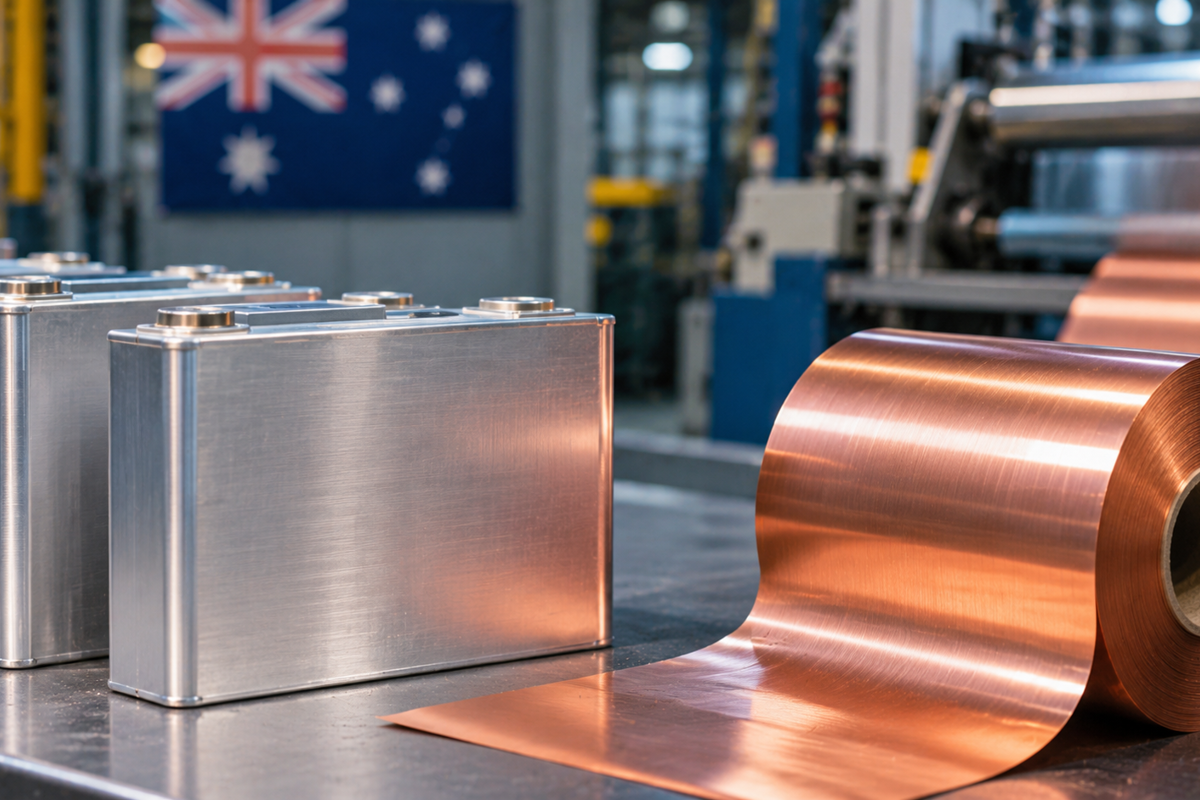
The image used in this article is generated with an AI tool and does not depict any real-time moment
Australia could turn more of its aluminium and copper resources into higher-value battery components, with a new report from national science agency CSIRO identifying opportunities to strengthen the country's domestic battery manufacturing capabilities.
The report, The Future of Australian Battery Manufacturing: Cell Cans and Current Collector Foils, examines how Australia could use its existing industrial expertise, materials and manufacturing capabilities to produce key components for lithium-ion and emerging sodium-ion batteries. Rather than focusing solely on the country's critical mineral resources, the analysis explores practical ways to move further downstream and capture more value through local manufacturing.
The opportunity comes as global demand for batteries continues to grow, driven by the electrification of transport, energy systems and industry. McKinsey analysis projects that the global lithium-ion battery value chain could exceed USD 400 billion by 2030. Meanwhile, Australia's National Battery Strategy estimates that 96 per cent of the total revenue opportunity lies downstream of mining. However, much of this value is currently captured offshore, with a significant share of Australia's critical minerals exported.
CSIRO advanced battery manufacturing lead Dr Adam Best said the report combines expertise in advanced manufacturing, battery materials and industrial process assessment to identify opportunities that align with Australia's existing capabilities.
"That combination is central to the report's message that Australia's battery opportunity is not only about what lies in the ground, but what can be made here from it," Best said.
The analysis identifies two potential starting points for developing domestic battery manufacturing: producing prismatic battery cell cans from Australian aluminium through impact extrusion, and manufacturing copper current collector foil using electrolytic deposition.
Join the fourth edition of webinar "Hedging for recyclers - Become an expert in 6 hours" by Jorge Dyszel.
Aluminium battery cans offer a practical starting point
Battery cell cans form the metal enclosure that houses a cell's active components. Although relatively simple in appearance, they must withstand internal pressure changes and crash loads, remain compatible with electrolyte chemicals, minimise weight and maximise the space available for energy storage, while remaining cost-effective.
According to the report, Australia could potentially manufacture cylindrical, prismatic and blade-style cell formats. However, some production pathways would require substantial investment in facilities capable of producing nickel-plated steel and aluminium sheet.
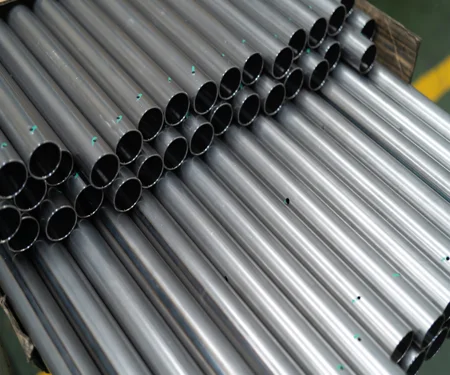
CSIRO identifies prismatic battery cans made from aluminium as a practical initial opportunity. Australia's established aluminium industry and experience in manufacturing similar products, including aerosol cans, provide a foundation for developing this capability. The report recommends investment in specialised facilities and production equipment to manufacture battery cans locally.
Copper foil production offers another downstream opportunity
In lithium-ion batteries, the copper foil used on the negative electrode is typically around six microns thick, approximately one-tenth the thickness of a human hair. Aluminium foil is used on the opposite side and is roughly twice as thick. Both are highly engineered components that play an important role in battery performance, safety and manufacturing.
The report identifies electrolytically deposited copper foil as a viable first priority for establishing domestic production. The approach could build on Australia's copper production and refining capabilities, with manufacturing capacity expanded over time by adding production cells. It is also considered less capital-intensive than rolling-based production routes.
CSIRO researcher Geoff de Looze said the study concentrated on opportunities where Australian materials, existing industrial capabilities and targeted investment could support the development of higher-value manufacturing.
Showcase your brand, aluminium recycling initiatives and sustainability vision in our upcoming magazine: Sustainability & Recycling: Aluminium’s Commitment 2026.
"Australia has many of the building blocks needed for a battery manufacturing sector," de Looze said. "The question is where we can take the most practical next steps. This work identifies areas where Australian materials, existing industrial capability and targeted investment could come together to create a stronger domestic supply chain."
Best said expanding domestic manufacturing would allow Australia to move beyond exporting raw and refined materials towards producing higher-value goods, creating skilled manufacturing jobs and strengthening supply chains for clean energy technologies.
"Australia is already a critical minerals powerhouse, but the next opportunity is to capture more value through manufacturing," he stated. "By focusing on practical, technically achievable steps, Australia can build capability, support industry growth and contribute to more resilient battery supply chains both domestically and internationally."
However, developing these capabilities will require careful technical, commercial and market assessment. The report notes that manufacturing facilities need sufficiently high utilisation rates to remain commercially viable, making investment decisions and market demand important considerations.
CSIRO has also recently established the Australian Battery Safety Facility (ABSF), strengthening the country's ability to test and assess battery safety as its domestic manufacturing ambitions develop. The facility is expected to support a safe and competitive local lithium-ion battery manufacturing sector by helping Australian battery technologies meet performance and safety requirements for domestic and international markets.
With its established aluminium and copper industries, Australia has several of the foundations needed to move further into battery component manufacturing. Turning that potential into a competitive domestic supply chain, however, will depend on targeted investment and the ability to translate existing industrial expertise into commercially viable production.
Looking for aluminium recycling service providers? Browse through a comprehensive list here.
Grow with
AL Circle