Middle East tensions push developers to rethink design and sourcing strategies
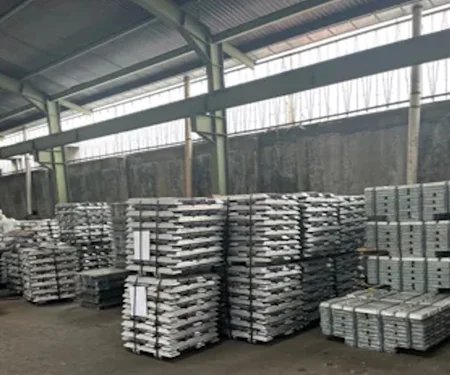
Supply disruptions linked to the ongoing tensions in the Middle East are starting to show up in India’s real estate sector, with developers adjusting how they plan projects and source materials.
Across the board, inputs like aluminium, steel, tiles and cement are becoming harder to manage, not always because of shortages alone, but because of price swings and delays tied to shipping and energy costs. That’s forcing companies to rethink both execution timelines and design choices.
Visible changes are being made in procurement where, instead of relying on just-in-time supply, developers are now moving before time, sourcing materials sooner and working with multiple vendors to reduce risk. Longer buffers are also being built into project schedules.
Kulmeet Shangari, Managing Director and Principal Architect at ACPL Design, said, “The ground reality today is that material volatility is directly impacting design. With aluminium prices rising and tile supply from Morbi in Gujarat getting disrupted due to the Iran war and LPG issues, we have had to become far more disciplined and practical in how we plan and execute projects.”
For the global aluminium value-chain 2026 outlook, book our exclusive report “Global ALuminium Industry Outlook 2026"
He said, “We are locking in critical materials much earlier than before and keeping at least two to three vendor options open for key items. In today’s market, design can no longer be built around ideal specifications alone…it has to be aligned with what is readily available within the required timeline.”
Delays are already feeding into project timelines. Sharan Babani, Director at Satguru Builders, pointed to rising freight costs and supply gaps as immediate concerns.
“The most immediate impact of this industrial shift is a critical shortage of commercial gas. This energy crunch, compounded by skyrocketing transportation costs, has forced us to incorporate an additional 15-day buffer into project timelines,” he said.
Ceramics and aluminium appear to be among the most affected segments. Babani noted that production disruptions in Morbi have hit tile supply and aluminium components, especially windows, which have seen a 15-30 per cent increase in price. In some cases, developers are even turning to force majeure clauses to handle the delays.
Don't miss out- Buyers are looking for your products on our B2B platform
Design changes are also starting to reflect these constraints. Firms are introducing flexibility into specifications and identifying alternatives in advance, so projects don’t stall if a particular material becomes unavailable or too expensive.
Shangari said this includes reducing reliance on aluminium-heavy façades and shifting toward materials that are easier to source locally.
There are also signs that the cost impact may not be temporary. Rahul Bahl, Managing Director at Krishna Buildestates Pvt Ltd, said, “This is not a short-lived shock. It is a cost reset that could stay with us for much longer than most people expect. Steel prices in India have also risen about 20 per cent, which translates into an estimated INR 50 per square foot increase in high-rise construction costs in Tier 1 cities.”
With that in mind, developers are moving away from lean inventory models and building more resilience into their supply chains, ordering earlier, holding stock, and spreading sourcing across regions.
Must read: Key industry individuals share their thoughts on the trending topics

Constellium SE gains on strong aluminium automotive structures segment
Next articleConstellium secures multi-year Airbus contract for aluminium alloy extrusions supply
Grow with
AL Circle