<a href= http://af.reuters.com/article/metalsNews/idAFL2N0XB30J20150423?sp=true ' target='_blank'> Reuters </a>
Market flooded with non-standard aluminium shapes due to "cherry-picking'
Edited by : AL CIRCLE
3 min read

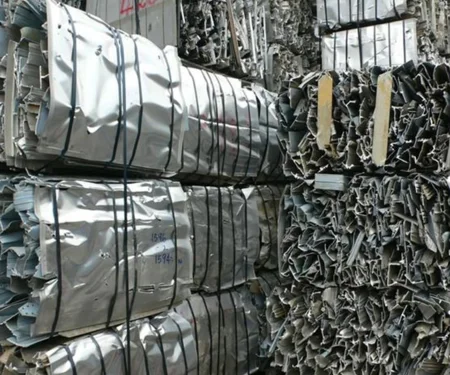
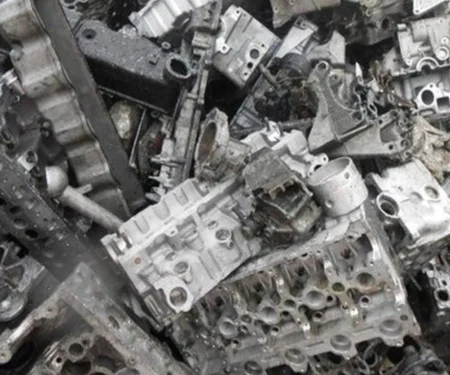
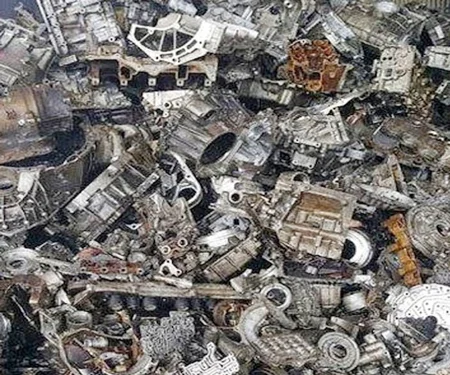
Much of the aluminum currently available in the United States is of shapes and profiles that are less than ideal for U.S. fabricators, prompting traders to sell it at discounts and raising concerns about the availability of standard shapes.
A high physical premium has attracted imports from abroad, and a weakening forward curve has encouraged traders to withdraw metal from storage in U.S. warehouses for quick sale, flooding the market with aluminum.
However, U.S. traders and industry sources said very little of that aluminum is low-profile sow or t-bar, the shapes that U.S. rolling mills are best equipped to use in fabricating sheet for the beverage can and automotive industries.
T-bars are long, smooth slabs of metal with a short base that enables forklift operators to transport them, and typically weigh 680-900 kilograms per piece, though London Metal Exchange specifications require it to be around 750 kg.
Sows also weigh around 750 kg and are about 40 inches wide, and have a concave bottom which Mark Bodner, industry veteran and president of MB Consulting LLC, described as a "Volkswagon upside-down."
For either shape, several sources said U.S. fabricators prefer product of a lower profile - meaning shorter in height or thickness but sometimes wider in length - for safety reasons.
They cause fewer splashes of molten liquid when dropped in the furnace, and take less time to pre-heat to remove water residue.
Imports from China and Russia, which sought to take advantage of record-high U.S. Midwest premiums AL-PREM earlier this year, are largely of semi-fabricated or value-added products, which have to be re-melted into primary.
In addition, much of the T-Bar and sow currently being withdrawn from U.S. warehouses is of a higher profile and, in some cases, a higher lithium content than fabricators prefer.
Traders have "cherry-picked" standard shapes and profiles that best fit fabricators' needs out of warehouses over the years, leaving the thicker, less conventional molds in storage, one U.S. trader said.
LME data shows almost 400,000 tonnes of the 760,850 tonnes of aluminum stored in Detroit MAL-USDET-TOT, the biggest hub for the metal in the United States, are T-bars. Some 316,875 tonnes are sows. There is no indication of whether it is lower or higher profile.
Still, the abundance of non-standard aluminum has prompted traders to offer it at a discount to published premiums to attract buyers, adding to the pressure on premiums, several sources said.
The Midwest aluminum premium, paid on top of LME three-month prices for physical delivery, has dropped to around 18 cents a lb this month.
That's down from records of 24 cents earlier in the year and equates to just under $400 per tonne, which is far higher than European levels of $250-290 for duty-paid material in Rotterdam.
Many users are willing to receive discounts and adapt their practices, while others simply do not care.
"We throw it in the furnace - it doesn't matter which one it is," said another U.S. aluminum buyer, who said he had purchased both high- and low-profile sows recently.
A high physical premium has attracted imports from abroad, and a weakening forward curve has encouraged traders to withdraw metal from storage in U.S. warehouses for quick sale, flooding the market with aluminum.
However, U.S. traders and industry sources said very little of that aluminum is low-profile sow or t-bar, the shapes that U.S. rolling mills are best equipped to use in fabricating sheet for the beverage can and automotive industries.
T-bars are long, smooth slabs of metal with a short base that enables forklift operators to transport them, and typically weigh 680-900 kilograms per piece, though London Metal Exchange specifications require it to be around 750 kg.
Sows also weigh around 750 kg and are about 40 inches wide, and have a concave bottom which Mark Bodner, industry veteran and president of MB Consulting LLC, described as a "Volkswagon upside-down."
For either shape, several sources said U.S. fabricators prefer product of a lower profile - meaning shorter in height or thickness but sometimes wider in length - for safety reasons.
They cause fewer splashes of molten liquid when dropped in the furnace, and take less time to pre-heat to remove water residue.
Imports from China and Russia, which sought to take advantage of record-high U.S. Midwest premiums AL-PREM earlier this year, are largely of semi-fabricated or value-added products, which have to be re-melted into primary.
In addition, much of the T-Bar and sow currently being withdrawn from U.S. warehouses is of a higher profile and, in some cases, a higher lithium content than fabricators prefer.
Traders have "cherry-picked" standard shapes and profiles that best fit fabricators' needs out of warehouses over the years, leaving the thicker, less conventional molds in storage, one U.S. trader said.
LME data shows almost 400,000 tonnes of the 760,850 tonnes of aluminum stored in Detroit MAL-USDET-TOT, the biggest hub for the metal in the United States, are T-bars. Some 316,875 tonnes are sows. There is no indication of whether it is lower or higher profile.
Still, the abundance of non-standard aluminum has prompted traders to offer it at a discount to published premiums to attract buyers, adding to the pressure on premiums, several sources said.
The Midwest aluminum premium, paid on top of LME three-month prices for physical delivery, has dropped to around 18 cents a lb this month.
That's down from records of 24 cents earlier in the year and equates to just under $400 per tonne, which is far higher than European levels of $250-290 for duty-paid material in Rotterdam.
Many users are willing to receive discounts and adapt their practices, while others simply do not care.
"We throw it in the furnace - it doesn't matter which one it is," said another U.S. aluminum buyer, who said he had purchased both high- and low-profile sows recently.
Unlock full access – sign up for FREE.
Key benefits
Find exclusive data-driven insights and in-depth analysis
Get our daily newsletter delivered straight to your inbox
Access real-time and historical price trends from global indices
Post and respond to latest business leads
Stay ahead with alerts on learning tools
...and so much more!SIGN UP / LOGIN
Previous article
Power cuts to shrink Hulamin’s H1 earnings 20%
Next articleJNARDDC organizes one day meet on Aluminium extrusions at Nagpur
Grow with
AL Circle