Macro stagflation concerns combined with weak demand keep aluminium prices consolidating on a subdued note in the short term
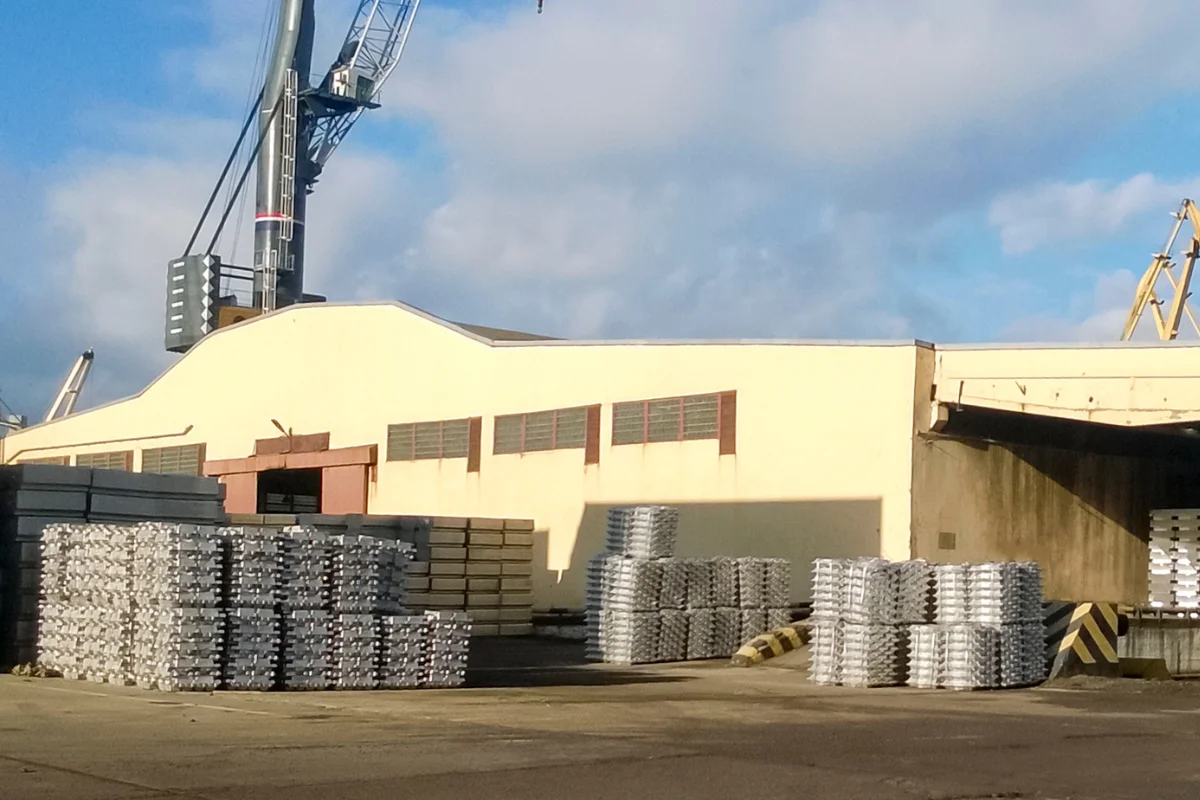
This image has been obtained via official Press Release
SHFE aluminium was not open during the National Day holiday. On Oct 7, LME aluminium 3M opened at USD 3,140.5 per tonne, hit a high of USD 3,148 per tonne, a low of USD 3,101.5 per tonne, and closed at USD 3,125 per tonne, down USD 18.5 per tonne from the previous close, a decline of 0.59 per cent. Futures continued to consolidate on a weak note, with prices breaking below the 5/10/20/40/60-period moving averages.
All moving averages exerted downward pressure, confirming a clear bearish trend. Trading volume during the session was 16,383 lots, with open interest at 567,000 lots, up 1,296 lots, driven mainly by bearish positioning. On the daily chart, the MACD death cross persisted, with DIFF below DEA and green bars maintained, indicating bearish momentum was still being released.
US nonfarm payrolls rose by only 29,000 in September, far below expectations, rapidly cooling market bets on a Fed rate hike in October. However, escalating geopolitical conflicts in the Middle East pushed Brent crude back above $100, while a surge in AI-related bond issuance kept US Treasury yields climbing, casting a lingering shadow of "stagflation."
According to CME "FedWatch": the probability of the Fed keeping rates unchanged through October was 80.6per cent, with a 19.4per cent chance of a cumulative 25 bp hike. The probability of the Fed keeping rates unchanged through December was 21.7per cent, with a 64.1per cent chance of a cumulative 25 bp hike and a 14.2per cent chance of a cumulative 50 bp hike.
The US ISM services PMI fell to 54.9 in September, but the prices index jumped to 74.0, a four-year high, indicating slowing services expansion alongside rebounding cost pressure. The US Labor Department's employment report released last Friday showed nonfarm payrolls increased by 29,000 in September, while August payrolls were revised down to an increase of 133,000.
In September, China's downstream demand recovered somewhat M-o-M, but processing fees for some processed products came under pressure, leading to production cuts or halts at some downstream enterprises. Purchase willingness for liquid aluminium subsequently weakened, dragging down the proportion of liquid aluminium output. The liquid aluminium share fell 0.5 percentage points M-o-M to 78.2per cent, below expectations at the start of the month, with the main reductions coming from parts of central China and south-west China.
Based on SMM liquid aluminium proportion data, China's aluminium casting ingot output fell 6.2per cent YoY and 0.8per cent M-o-M in September. Entering October, affected by the National Day holiday, some downstream enterprises implemented temporary production cuts or halts, and the liquid aluminium proportion is expected to fall a further 0.3 percentage points to 77.9per cent. Processing fees for some downstream products still face downside risks, and liquid aluminium demand is under downward pressure.
Casting ingot output during the holiday is likely to remain elevated M-o-M. Affected by centralised maintenance, production halts, and load reductions during the National Day holiday, the operating rate of leading aluminium downstream processing enterprises in China fell 1.6 percentage points W-o-W to 60.5per cent this week. On the inventory side, as of Thursday this week, domestic aluminium ingot social inventory built up by 48,000 tonnes compared with the Wednesday before the holiday.
Primary aluminium market: On September 30, the SHFE aluminium 2610 contract traded lower intraday compared with the same trading session the previous day, but as it was the last trading day before the holiday, market trading sentiment was sluggish. SMM A00 aluminium ingot spot premiums mainly traded at premiums of RMB 30-50 per tonne.
On the last working day before the National Day holiday, trading sentiment in the central China market was sluggish, with some traders already on holiday early, and market quotes significantly reduced compared with the previous two days. Some suppliers maintained high premium quotes, but actual transactions were limited, and sellers willing to actually move cargo showed little inclination to hold prices firm. Ultimately, actual transaction prices in the central China market centred around discounts of RMB 40-70 per tonne against the SHFE aluminium October contract.
South China market: On the last day before the holiday, aluminium prices continued to edge lower, and the spot market remained weak. The SHFE aluminium backwardation structure strengthened, with next-month and forward-month premiums actually elevated. Willingness to cash out before the holiday amid high spot-futures price spreads was strong, and quotes quickly shifted from holding firm to lowering prices to stimulate shipments, with mainstream levels in a range from small discounts to parity.
Against the backdrop of strong destocking, discount-priced cargo remained plentiful. On the demand side, buying was largely dormant, with only sporadic bargain-hunting restocking, procurement demand nearly exiting the market, and transactions few and far between. Spot transaction prices concentrated at premiums of RMB 240-280 per tonne against the SHFE aluminium 2610 contract.
Aluminium scrap: On September 30, SMM A00 aluminium closed at RMB 24,030 per tonne, down RMB 80 per tonne from the previous trading day, while the aluminium scrap market fell RMB 0-100 per tonne, with some regions choosing to hold steady and wait and see before the holiday. On the price difference front, the price difference between A00 aluminium and mixed aluminium extrusion scrap free of paint in Foshan was about RMB 2,550 per tonne, and the price difference between A00 aluminium and shredded aluminium tense scrap was about RMB 1,384 per tonne.
On the import side, imported shredded aluminium prices at Ningbo Port and Tianjin Port were recorded at RMB 21,470 per tonne and RMB 21,520 per tonne respectively (tax inclusive). During the week, large downstream secondary aluminium enterprises mostly did not halt production over the National Day holiday, and pre-holiday stockpiling was completed at a normal pace.
After the National Day holiday, the aluminium scrap market continued to hold up well. On the supply side, aluminium scrap yards will gradually resume operations after a brief 3-5 day holiday, and cargo release is expected to increase, but recycling policy constraints on circulation remain, the tight invoice supply situation is unlikely to ease in the short term, and tight supply will continue to support prices.
On the demand side, as the traditional peak consumption season for cast aluminium alloy gradually kicks in, enterprises are accelerating order-taking and procurement pace, and aluminium tense scrap prices are expected to find even stronger support amid tight supply and demand. Demand for wrought aluminium alloy is moderate, and in-factory inventory is relatively ample, but with tax audit restrictions reducing expected aluminium scrap supply, the price uptrend is also set to gradually open up. However, judging from the current situation, the release of peak-season demand remains relatively mild, and the actual fulfilment of post-holiday orders still needs to be closely tracked.
Secondary aluminium alloy: On September 30, the last trading day before the National Day holiday, ADC12 market quotes remained generally stable. The SMM ADC12 price held steady at RMB 24,500 per tonne from the previous trading day. On the raw material side, although aluminium prices pulled back somewhat during the week, aluminium scrap prices followed down only to a limited extent.
In addition, after stricter enforcement of policies such as tax invoices, compliant raw material procurement costs for some enterprises remained at a relatively high level, providing a certain degree of cost-side support for ADC12 prices. On the demand side, downstream stockpiling before the holiday was generally cautious, with purchases still dominated by rigid demand.
No clear concentrated restocking emerged, and demand-side momentum for price rises was also relatively limited. Under the combined effect of cost support and weak demand, the market showed a relatively pronounced wait-and-see pattern in the short term, with enterprises generally choosing to keep prices stable before the holiday. Going forward, close attention should be paid to changes in aluminium prices and aluminium scrap prices during the holiday, the pace of post-holiday production resumptions at enterprises, and the recovery of downstream orders.
Overall outlook: On the macro front, high US Treasury yields and a strong US dollar continued to weigh on valuations in the nonferrous metals sector, while expectations for US Fed interest rate hikes within the year repeatedly disturbed market sentiment. On the industry front, domestic aluminium ingot inventory buildup after the holiday weakened price support to some extent.
Coupled with weaker demand for liquid aluminium and a rebound in casting ingot volumes, as well as adjustments in fund open interest around the long holiday, the tug-of-war between longs and shorts in the market intensified notably. Overall, bullish and bearish factors are intertwined for aluminium prices in the short term, and prices are expected to consolidate on a weak note.
Note: This article has been issued by SMM and has been published by AL Circle with its original information without any modifications or edits to the core subject/data.
Hormuz crude flows recover, but aluminium, LNG and fertiliser face a slower return to normal
Next articleLME aluminium cash offer price falls around 1% to $3,102/t, while stocks drop to 238,875t
Grow with
AL Circle