Kaiser Aluminum expands recycling, cuts emissions by 17% in 2025 sustainability report

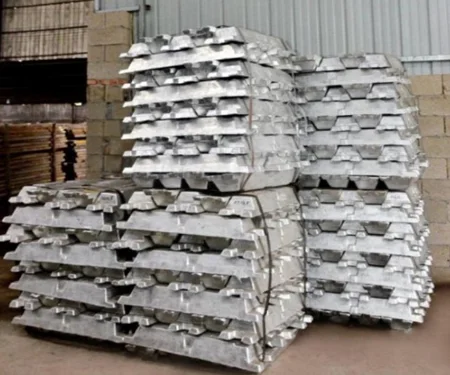
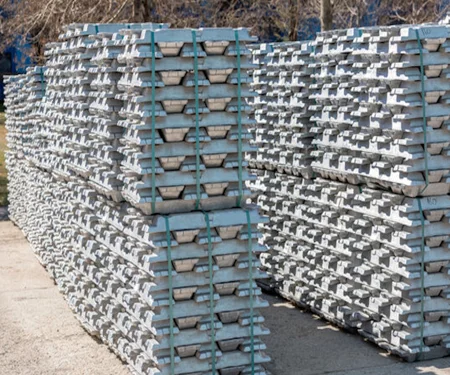
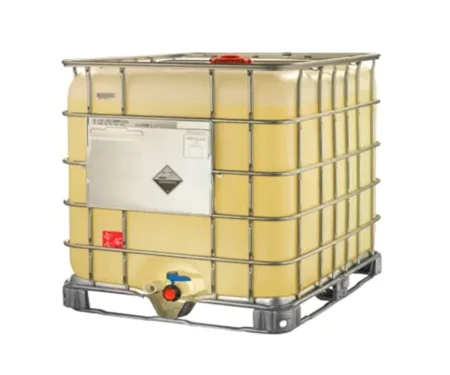
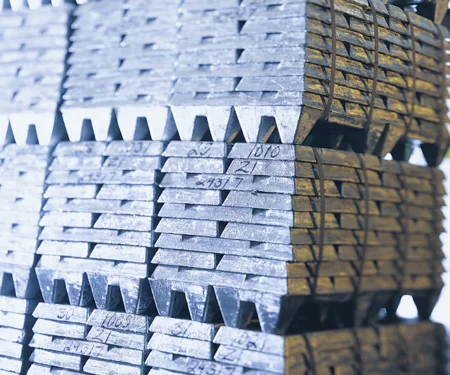
Stock image for referential purposes only
Kaiser Aluminum Corporation has released its 2025 Sustainability Report, outlining progress across recycled product innovation, greenhouse gas (GHG) emissions reduction, workforce development and community engagement while reinforcing its long-term commitment to a sustainability strategy for responsible manufacturing.
Commenting on the company's performance, Keith A. Harvey, Chairman, President and Chief Executive Officer, noted that the completion of one of the largest capital investment programmes in the company's recent history, coupled with stronger financial performance and continued environmental progress, had further strengthened its operational foundation.
Delve deeper into the recycled aluminium and secondary aluminium market with our World Recycled ALuminium Market Analysis Industry forecast to 2032
"Our values continued to guide our decisions and reinforce our commitment to operating responsibly, investing with discipline, and supporting the long-term sustainability of our operations," Harvey said.
He added that the completion of the company's largest capital investment programme in recent years, coupled with stronger financial performance and continued environmental progress, demonstrated its focus on delivering long-term value for customers, shareholders and communities.
High-recycled-content portfolio expands
Among the report's major highlights was the expansion of Kaiser Aluminum's high-recycled-content product portfolio. During 2025, the company introduced two new recycled-content products while commercialising the aluminium alloy of 6026A, thereby complying with the European Union's Restriction of Hazardous Substances directive.
The company also highlighted the growing adoption of KaiserSelect® Next Gen, its premium aluminium product designed to deliver greater material consistency while reducing machining waste, energy consumption and scrap generation during customers' manufacturing processes.
Progress towards 2030 climate targets
On the climate front, Kaiser continued progressing toward its 2030 greenhouse gas (GHG) emissions reduction goals. The company reported that its combined Scope 1 and Scope 2 emissions intensity was 17 per cent below its 2019 baseline.
The outcome was backed by the company’s first full year of lower-carbon grid electricity at its Warrick rolling mill and increased use of recycled aluminium.
Tom Robb, Executive Vice President in Manufacturing, stated that the company is “making meaningful progress toward reducing our environmental footprint and creating long-term value for our customers, communities, and stakeholders.”
Strengthening workforce and technical capabilities
Kaiser continued investing in workforce development and safety through expanded leadership programmes, apprenticeship initiatives and stronger collaborations with colleges and universities aimed at building the next generation of manufacturing talent.
The apprenticeship programme enables employees to pursue journeyman certifications through classroom instruction and practical training in disciplines such as STEM initiatives, electrical systems, robotics, hydraulics and automation.
It also continued outreach programmes with educational institutions to promote careers in advanced manufacturing, metallurgy and engineering.
Training opportunities were broadened across production facilities, while digital learning platforms and leadership development programmes were further expanded to support employees at different career stages.
Key milestones of the company in this area include:
- Investment of USD 100 million in the Career Connect Campus in Michigan
- Engagement of around 4,000 eighth-grade students through career awareness programmes
- Conducting learning programmes for 40+ high school students
- Maintenance of 17+ partnerships with colleges and universities
- Recognition among Arizona's Top 100 Companies for the third consecutive year
Unlock key insights from leading companies and experts across the aluminium ecosystem with our e-Magazine - Mine to Market: ALuminium Producers & Manufacturers 2026
Industry recognition and community engagement
Alongside its operational achievements, the report also highlighted the company’s operational achievements. Kaiser received the recognition of being named the thyssenkrupp Materials North America's 2025 Aluminium Supplier of the Year, reflecting its performance in quality, delivery and customer service.
Additionally, the company reaffirmed that all of its manufacturing facilities continue to operate under ISO 9001:2015-certified quality management systems, supporting consistent production standards across industries including aerospace, automotive, packaging, semiconductor and general engineering applications.
Kaiser also continued strengthening community partnerships through employee volunteer programmes, charitable initiatives and corporate giving, reinforcing its commitment to local communities where it operates.
Its Corporate Charitable Contributions Committee guides the charitable activities undertaken by the company, ensuring adherence to the Charitable Contributions Policy as well as the values observed by Kaiser Alumium.

ToZero project converts automotive aluminium scrap into 3D printing feedstock
Next articleNALCO's $3.5b bet: 0.5Mt aluminium smelter, 1kMW power plant, sustainability push
Grow with
AL Circle