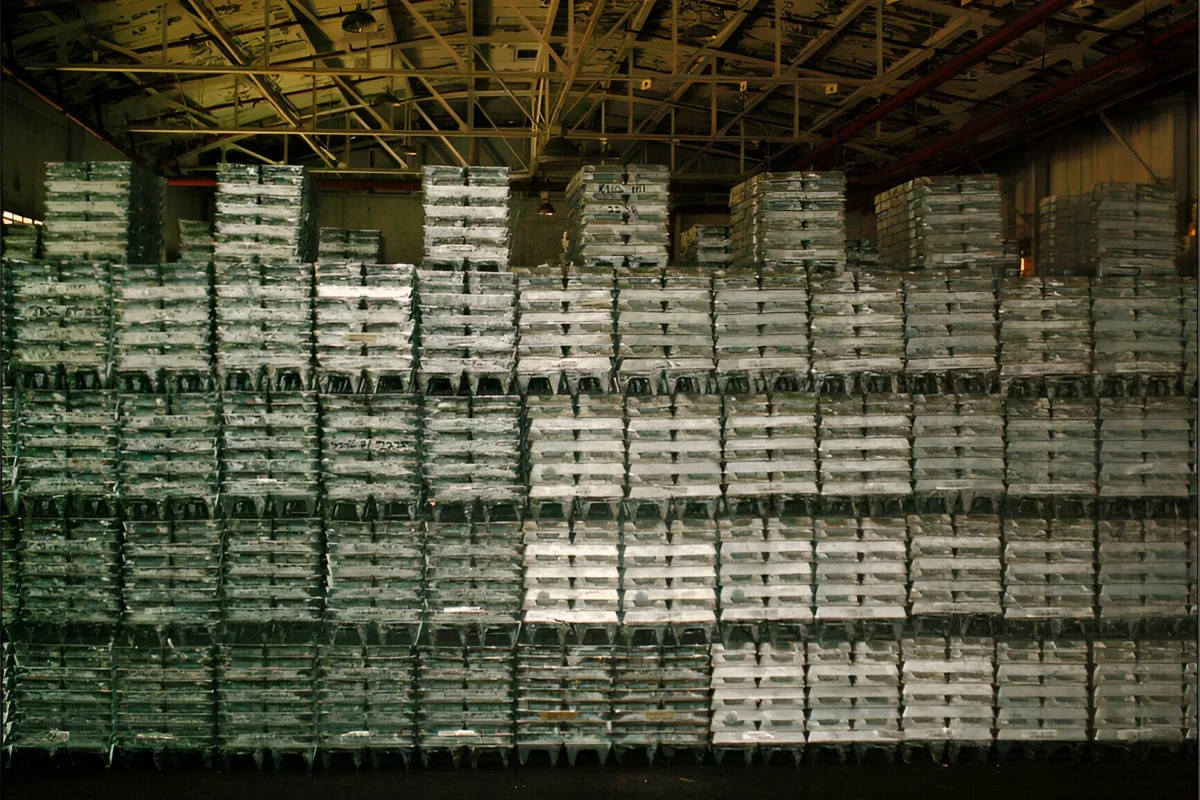
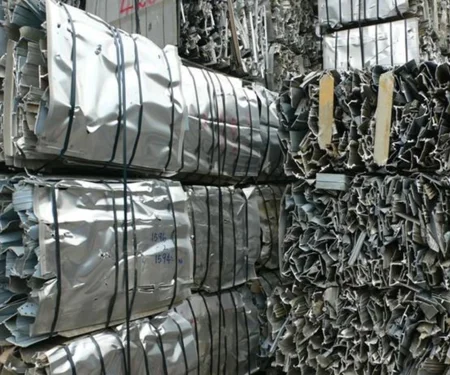
After an initial aggressive uptick at the beginning of March, the premium for Japanese aluminium’s outbound trade during the second Quarter of 2025 (April to June) has reportedly crashed to USD 182 per tonne, which is clearly a 20 per cent decrease from the past quarter (Q1’25), reveals six sources involved in the pricing discussions. The downturn in premiums is the first quarterly drop in the recent five quarters, USD 46 down from January to March, with a premium of USD 228 per tonne. Aluminium has turned out to clasp a premium below initial offers from global production houses, which ranged from USD 245 per tonne to USD 260 per tonne, now raising the question of why such a premium fell.
On March 27, Platts evaluated the CIF main Asian ports (MAP) spot P1020 aluminium premium at USD 173 per tonne plus London Metal Exchange cash, intact day over day and down USD 32 per tonne from the start of 2025.
Japan is the most prominent Asian importer of premiums and light metals. For primary metal trade, it conforms to disbursement per quarter premium over the region-specific standard London Metal Exchange cash price. However, views in Japan and the rest of Asia were enfeebled as the US brought in 25 per cent tariffs on automotive imports effective April 2, which could additionally weaken demand for aluminium in the Asian market.
“Global suppliers had to compromise to align with local spot premiums, which were around USD 170 or lower,” said a source at a Japanese trading house.
The market participants’ short-term forecast for Asia is of the opposite opinion. One party anticipates an uptick in buying interest in Asia amid the new quarter and the new financial year in Japan, in addition to LME aluminium futures reciprocating to a contango. The other party was sceptical of the premiums remaining supported by the weaker outflow of supply anticipation from the US into different markets alongside weak demand in Asia.
On March 27, the Platts CIF Japan spot premium for 99.7 per cent P1020/P1020A aluminium ingot was estimated at USD 165 per tonne, plus London Metal Exchange cash, representing an increase of USD 10 per tonne compared to the previous day. Platts specifications apply to all quarterly settlements on a CIF (Cost, Insurance, and Freight) basis at main Japanese ports. These settlements are negotiated in advance for each quarter between two unaffiliated parties and pertain to P1020/P1020A 99.7 per cent primary aluminium ingot. Payment is made in cash against documents for volumes of 500 tonnes per month or more under annual frame contracts.
As Japan was closing in on the new financial year of 2025 (April to March), a leading global aluminium manufacturing giant sought a premium of USD 260 per tonne from Japanese buyers for April-June (Q2) primary metal shipments, which was 14 per cent higher from the previous quarter (Q1, 2025).
“The aggressive initial offers were based on expectations that US tariffs would push Canadian aluminium from the US to Europe, driving up the US premium and redirecting metal bound for Asia to North America,” said a personnel from a Japanese rolling mill.
“But so far, only a uniform aluminium tariff has been implemented, leading to little change in material flows,” the source said, noting the final agreement reflects weak domestic demand.
Japan’s automaker and construction sector market is under stress, although aluminium stocks at three major Japanese ports fell in February from the previous month, as per Marubeni (8002.T). Port inventories at main Japanese ports at the end of February parked at 313,400 tonnes, down 3.48 per cent M-o-M and down 5.29 per cent Y-o-Y.
Additionally, the Bank of Japan’s recent ‘tankan’ survey indicates a deterioration in business sentiment among large manufacturers, partly due to concerns over US tariffs. The index measuring sentiment among major manufacturers, including key sectors like automobiles and electronics, fell from +14 in December to +12 in March. This decline underscores the challenges faced by Japan’s export-dependent economy amid global trade tensions and rising material costs.