Indonesia’s decision to ban bauxite export won’t create any panic situation in China: Industry experts
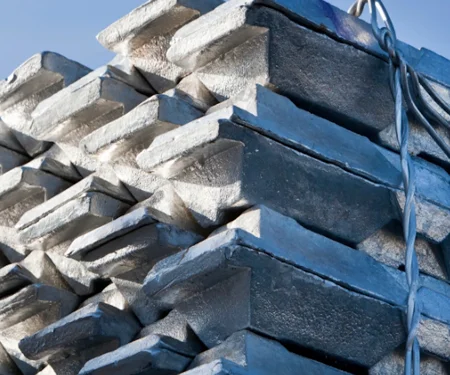
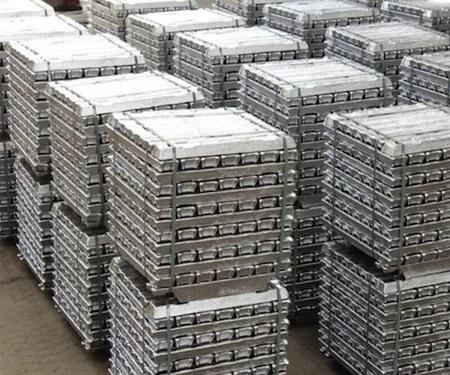
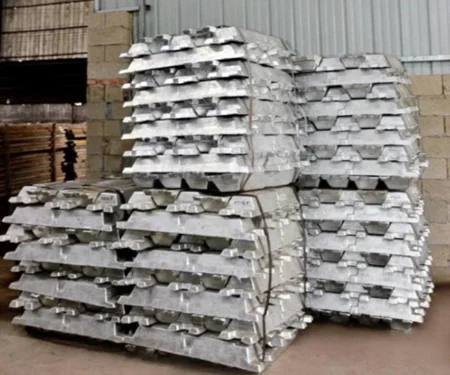
According to the aluminium industry experts, Indonesia's decision to ban sending out bauxite, an essential input for aluminium, will have no genuine effect on the Chinese aluminium sector, as aluminium producers have expanded their sources and fortified the utilization of aluminium recycling.
Bahlil Lahadalia, the Minister of Investment/Chairman of Indonesia Investment Coordinating Board lately said, “The government would ban exports of bauxite this year to support the development of the downstream mining industry. The minister did not give an exact time for the ban to take effect.”
The communication apprehended the consideration of the industry precisely for the potential interruptions in China's aluminium supply, particularly for a few downstream businesses such as electric vehicles and photovoltaic components, which necessitate unvarying supplies of aluminium.
The experts further added, “There is no need to be overly concerned since imports from Indonesia are replaceable and other countries can fill the gap.”
As reported by the China General Administration of Customs, “China imported 107 million tonnes of bauxite in 2021, with 51% coming from Guinea, 32% from Australia and Indonesia stood third at 17%.”
Such export bans have been over and over-utilized by the Indonesian government, with the primary implementation in 2014, which was withdrawn sometime recently in 2017.
The industry expert notified that an unanticipated ban created a huge chaos in the Chinese aluminium industry, as during that time Indonesia used to be the biggest bauxite supplier, with more than 60% of total bauxite imports.
"The scenario has changed since China has cautiously diversified its sources to other areas, largely Guinea, which now provides about half of China's total bauxite imports.”
“Even if Indonesia bans bauxite exports, the Chinese operated bauxite mine in Guinea can fill up the gap. In the short term outlook, bauxite prices, including for downstream companies, will fluctuate to a limited extent.”
The leading industrial power in the world, China is the largest producer of alumina and also aluminium, but due to its below-par bauxite resources, the country is forced to import around 32.30% of the bauxite produced in the world per year.
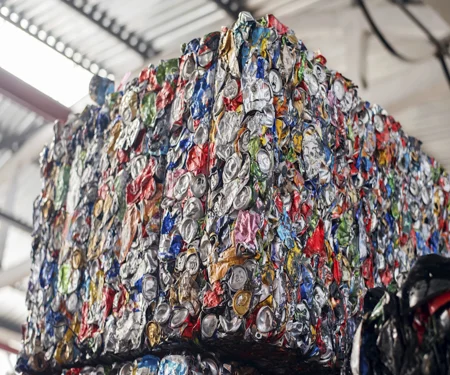
In an attempt to attain the carbon reduction targets and offload the heavy dependence on bauxite imports, China is intensifying its secondary aluminium production, using the aluminium scrap recycling process.

The National Improvement and Change Commission said within the necessities of the circular economy's improvement for the 14th Five-Year Arrange (2021-25) issued in July 2021, “China’s secondary aluminium production will reach 11.5 million tonnes by 2025, will be considered as a mammoth rise when compared with 7.4 million tonnes in 2020.
The experts concluded by saying, “Amid the 13th Five-Year Arrange (2016-20), China's auxiliary aluminium accounted for 20% of add up to an aluminium generation, and there's still impressive room for development compared with the worldwide normal of up to 30%.”
Rusal makes regular payments toward its tax bill, says Jamaica
Next articleBauxite kingdom Guinea gets new LNG infrastructure to develop its mining sector
Grow with
AL Circle