Bauxite kingdom Guinea gets new LNG infrastructure to develop its mining sector
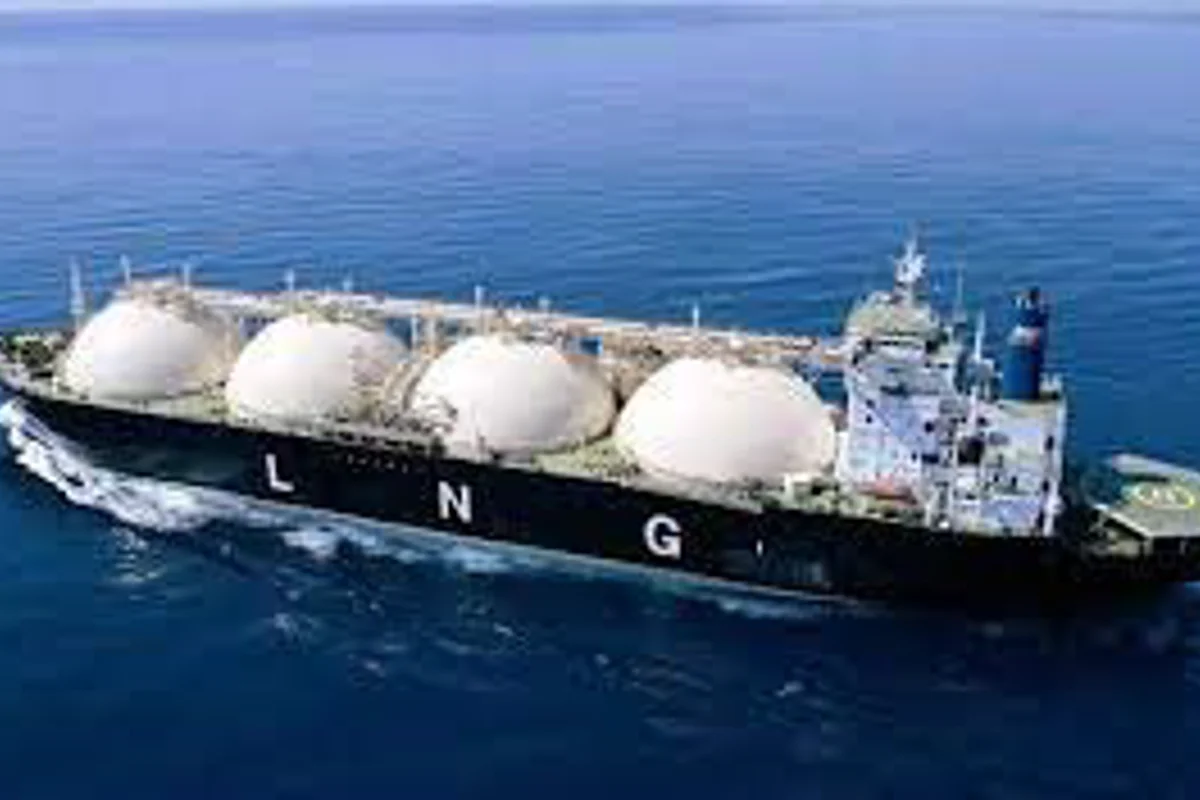
The world’s largest bauxite exporter and with huge reserves of other minerals, Guinea has made public the infrastructure development of a $300 million phased Liquefied Natural Gas (LNG) provision and distribution network which incorporates a full-service LNG receiving terminal, a liquefaction plant and an export terminal.
The large-scale project, classified the Guinea LNG Project, will be positioned at the Port of Kamsar on the northeastern coast of Guinea and is being unfolded by the West Africa LNG Group – a comprehensive natural gas-based fuels products and services company specializing in customized turnkey solutions for its customers and a purpose-built corporate entity by a development firm, AfricaGlobal Schaffer (AfGS).
As a result of new government-led incentives, the move aims to nationalize domestic mineral processing value chains to generate public revenue through domestic mineral commodities before export.
As the first major trade development between MSGBC nations, Guinea, although it has not yet entered the hydrocarbon exploration and production area, stands to benefit from the gas rush at the other end of the supply chain, importing regionally produced LNG as part of the gas rush.

Several phases of the Guinea LNG Project were initiated in September 2019 following grants from the US Trade and Development Agency. A study conducted for the country found that LNG-derived power is up to 25% cheaper than diesel or heavy fuel oils, and has fewer adverse environmental impacts than diesel or heavy fuel oils. The project will import and extract electricity from LNG and be scalable to meet demand once the green light is given by the EPA in mid-2023.
However, this is vital since total energy demand in and around the Port of Kamsar is anticipated to rapidly inflate in the next decade. In part, it is due to the increase in mining activities - Guinea contains one-third of the world's known bauxite reserves. Since the country has traditionally explored and exported bauxite raw, recent reforms have required mining companies to refine a portion of their mined bauxite within the country before receiving mining concessions. This directly benefits the country's treasury.

Guinea is the only nation in the world to permit unprocessed bauxite to be exported without value addition as a result of the reform measures. Several mining megafirms have already announced plans for new alumina refineries set to open within seven years of the legislation's passage. They are large, energy-intensive establishments, but thanks to their strategic position at the heart of Guinea's bauxite mining region, all are easily accessible via pipeline, barge, and power transmission lines. From next year, the LNG megadevelopment benefits of the MSGBC basin will not only benefit domestic and European markets but will also benefit neighbouring states, in particular Guinea.
Indonesia’s decision to ban bauxite export won’t create any panic situation in China: Industry experts
Next articleWorkers at Rusal's bauxite mine in Guinea end strike
Grow with
AL Circle