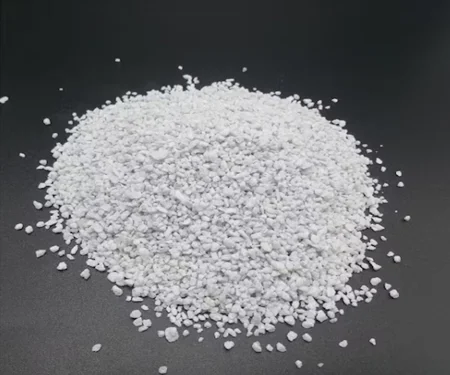
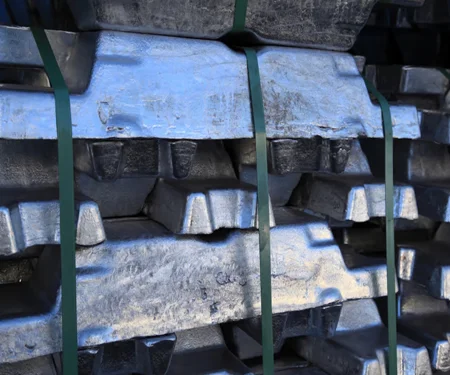
In a significant development for the global aluminium market, Indonesia is poised to become a major player in the industry, driven by its vast reserves of bauxite and a strategic partnership with China.
Image Source: https://leadthecharge.org/
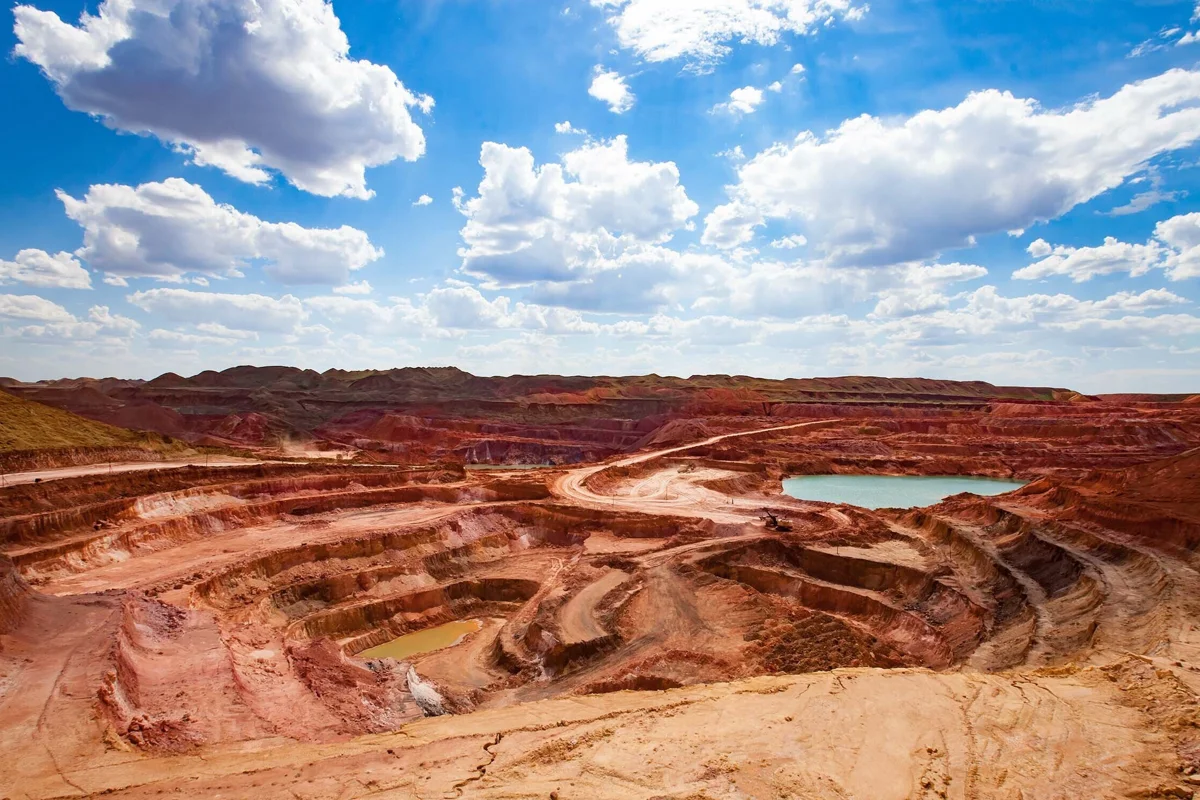
According to recent data, Indonesia's bauxite reserves stand at an impressive 1 billion tonnes, making it an attractive destination for aluminium producers. The country's ambitious plan to produce everything in-house, from bauxite to billet, is a key element of the government's broader electric vehicle (EV) strategy.
Indonesia aims to produce 600,000 EVs by 2030 and has partnered with four Chinese EV companies - Neta, Wuling, Chery, and Sokon - to build an EV production and export hub in the country. The partnership is expected to bring significant technological advancements and create highly skilled jobs in Indonesia. Moreover, the country's growing middle class presents a lucrative market for EVs.
Aluminium demand set to soar
The global aluminium market is expected to witness significant growth, driven by the increasing demand for electric vehicles. Fastmarkets' research forecasts that electric car sales will reach 17.5 million this year, with over one in five cars sold globally expected to be electric.
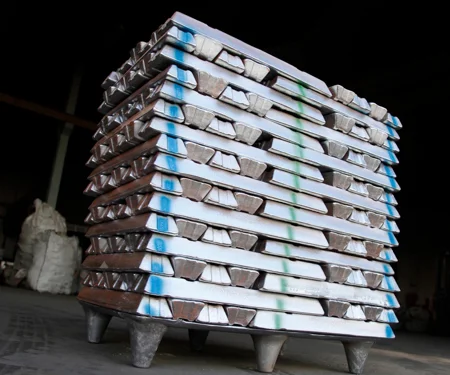
Indonesia's aluminium production is expected to rise significantly, with market analysts forecasting a production capacity of 10 million tonnes by 2025, up from 3.9 million tonnes in 2023. The country's alumina production is also expected to increase, with seven new alumina refineries set to come online in 2025, adding 9 million tonnes of alumina capacity.
China's role in Indonesia's aluminium ambitions
China's partnership with Indonesia is a strategic move to secure a stable supply of aluminium, given its own production capacity is capped at 45 million tonnes.
China's alumina production is growing strongly, with output reaching 7.34 million tonnes in August, up 3.67 per cent from the same period last year. The country's domestic alumina prices have been rising, leading to refineries increasing production to benefit from improved margins.
Fastmarkets' weekly price assessment for alumina metallurgical grade, exw China was RMB 3,910-3,970 ($554-563) per tonne on Thursday, August 29, up by yuan 30 per tonne from RMB 3,880-3,940 per tonne on August 1.
Indonesia's aluminium export ban
Indonesia officially banned the export of bauxite on June 10, 2023. The ban has worked in favour of the country, with aluminium production expected to rise significantly in the coming years.
According to Joko Widodo, the president of the Republic of Indonesia, the ban on nickel exports in 2020 led to a significant increase in export value. "Prior to 2020, our nickel exports were approximately US$1.4 billion to US$2 billion. As soon as we stopped last year, the export value increased by US$ 34.8 billion," he said.
Indonesia's aluminium needs are currently 1.2 million tonnes, of which 56 per cent is still imported. However, with the ban on bauxite exports and the increasing production capacity, the country is expected to reduce its reliance on imports.
"We have the raw materials, but 56 per cent of our aluminium is imported. Therefore, after production is finished, we can stop importing 56% of this; we will not import any more; we will produce it ourselves domestically, and we will not lose foreign exchange. Because from here, we have to spend approximately US$3.5 billion in foreign exchange every year. That's a huge number," Widodo said.
Market research and future prospects
Market research shows that the recently-opened PT Borneo Alumina Indonesia (BAI) will bring 1 million tonnes of alumina capacity alone by 2025. Another seven alumina refineries are due to come into operation next year (2025) to bring an additional 9 million tonnes of alumina capacity online.
Assuming all 11 alumina refineries open on schedule, total alumina production capacity could reach 16 million tonnes in the next 5 years. PT Borneo smelter grade alumina refinery (SGAR) project makes this all the more feasible, with the refinery estimated to produce around 1 million tonnes of alumina.
Most recently, Press Metal announced interest in building a US$750 million alumina refinery in Indonesia, though capacity and timeline remain unclear. Indonesia's alumina in high demand calculated its daily benchmark alumina index, FOB Australia, at US$540.92 per tonne on September 25, its highest level since September 2018.
Fastmarkets' alumina pricing suite has recently expanded with the launch of inferred indices for Indonesia, Vietnam, and India on September 2.
With the global demand for aluminium set to soar, driven by the increasing demand for electric vehicles, Indonesia is well-positioned to capitalise on this trend.
To get a detailed understanding of the country's present and future in the aluminium industry, go get our 'Indonesia Aluminium Market Report Forecast Till 2030' digital edition.