Indo-Pak standoff: A repeat of aluminium trade disruptions like the Ukraine-Russia conflict?
Geo-political conflicts often have ripple effects on metal markets, disrupting trade flows and driving commodity price volatility. A clear example is the ongoing Ukraine-Russia conflict, which has altered the dynamics of the global aluminium market. Firstly, within less than a month following the onset of the conflict in 2022, the aluminium prices on the London Metal Exchange (LME) surged by 34 per cent, reaching almost USD 4000 per tonne in early March, then followed a wave of Western sanctions against Russia, triggering supply chain disruptions, increasing concentration of aluminium in London Metal Exchange (warehouses), potential shortages, and ultimately production cuts, especially in Europe, a region historically dependent on Russian aluminium.
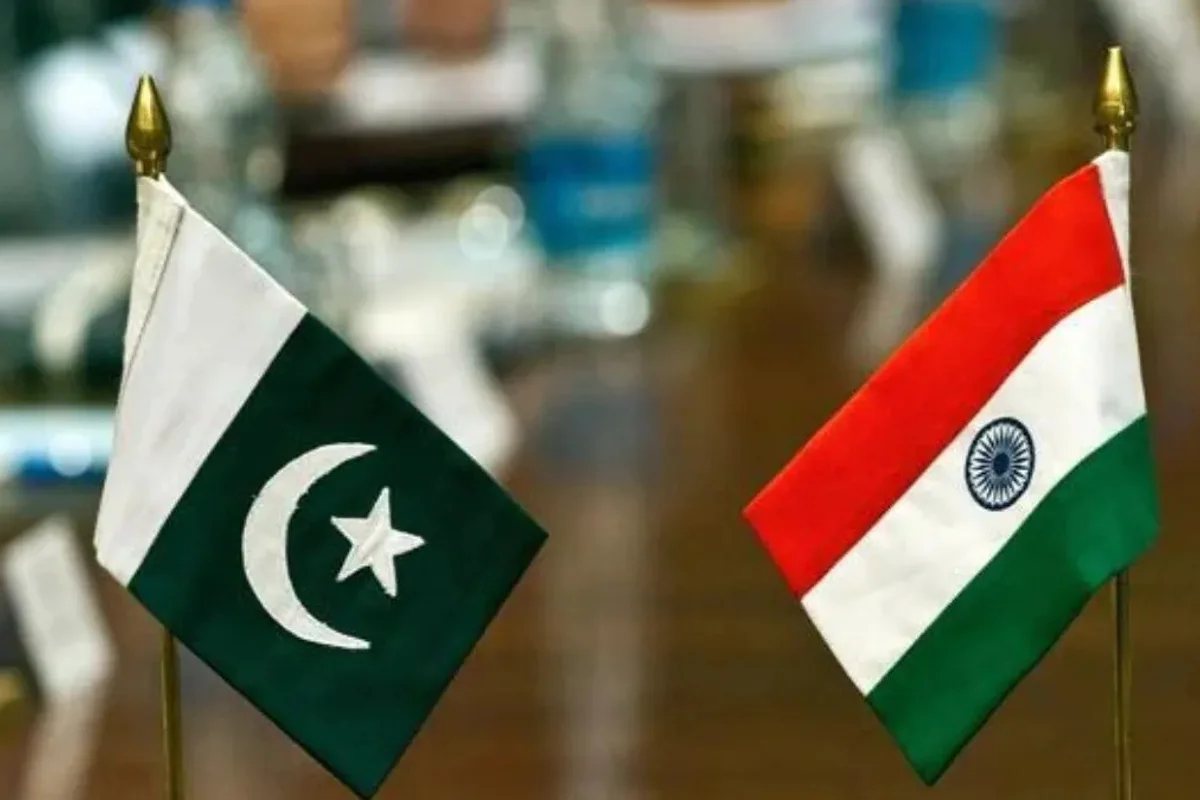
The Ukraine-Russia conflict has deeply impacted the aluminium market, largely because Russia is the world’s fourth-largest aluminium producer. China is the first largest in the world, followed by India. Then shall the world again witness similar impacts on the aluminium industry with a new geopolitical conflict emerged between India and Pakistan?
India has an annual aluminium production of more than 4 million tonnes. In FY2024-25, the country produced 4.2 million tonnes of aluminium, compared to approximately 3.9 million tonnes of output in Russia in 2024. Alongside its production strength, India is also a prominent exporter, shipping nearly 2.4 million tonnes in a year. Key destinations include China, Turkey, and the United States, with whom India maintains robust trade ties.
Unlock full access – sign up for FREE.
Key benefits
UK-US trade agreement: a positive step for UK aluminium, but challenges remain
Next articleDTE and Dynamic Concept announce partnership to offer complete metal analysis solution
Grow with
AL Circle