India’s EU aluminium scrap access falters under new waste shipment rules
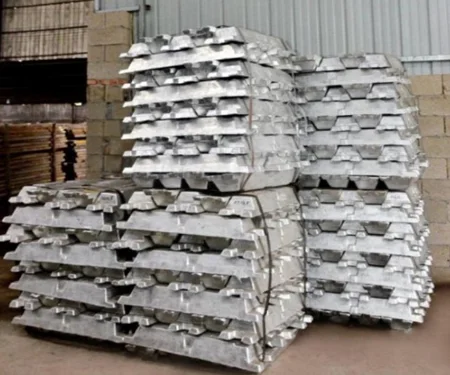
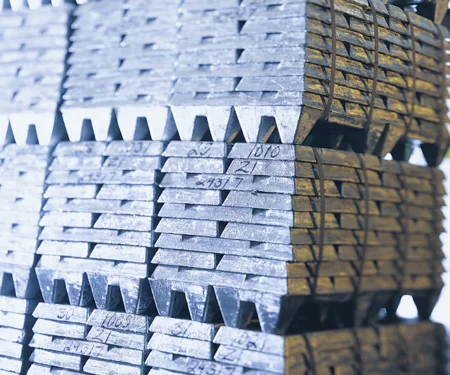
Stock image for referential purposes only
Fresh tensions surrounding aluminium scrap procurement befalls a nation that sources 80-85 per cent from overseas to meet its domestic aluminium scrap demand. India could face restrictions on importing aluminium scrap and other metal waste from the European Union (EU) under a new Waste Shipment Regulation (WSR) framework scheduled to take effect in May 2027.
The European Commission has proposed an exemptions list for non-OECD countries and opened a public consultation that will run until October 16. India is currently among the countries that would not qualify for an exemption, thereby potentially limiting its access to EU aluminium scrap.
Join the fourth edition of the webinar “Hedging for recyclers - Become an expert in 6 hours” by Jorge Dyszel.
The proposal has emerged after India heaved a sigh of relief at the European Commission’s decision earlier this month to drop a planned 15 per cent export duty on aluminium scrap.
India, identified as the largest buyer, had raised concerns over the proposed trade measure. As of June 2026, India’s H1 imports of aluminium scrap from the EU amounted to 166,434 tonnes, accounting for 18.39 per cent of its total import volume of the scrap metal. Disagreements within the EU eventually resulted in India being exempted from the duty proposal, reducing its intended impact.
The Commission has instead argued that the same objective can be pursued through existing waste shipment rules rather than a trade-related measure.
New waste rules tighten scrutiny
The Waste Shipment Regulation (WSR) is due to come into force in May 2027. According to the Commission, 32 non-OECD countries have applied for exemptions covering non-hazardous waste streams such as paper, plastics, rubber, metal and glass.
Countries seeking exemptions must demonstrate that the waste will be treated in an “environmentally sound manner”. Metal waste will face additional scrutiny because of what the Commission described as a “higher hazard profile ... due to the potential presence of persistent and toxic heavy metals.”
To explore trade opportunities of secondary aluminium, visit AL Biz
The exemptions list will be established through a delegated act and reviewed regularly, at least once every two years. Countries that do not qualify initially will also have the opportunity to reapply.
The proposed shift from an export duty to waste shipment controls has not fully addressed concerns within the European aluminium industry.
European Aluminium supported the proposed export duty as a means of retaining more low-cost recyclable material within Europe, particularly as the region’s aluminium producers seek greater access to secondary raw materials.
With the new framework, the focus has shifted from the cost of exporting aluminium scrap to the conditions under which waste can be shipped outside the EU. For India, the proposal could therefore create a new barrier to sourcing EU aluminium scrap from May 2027, unless it secures an exemption under the revised rules.
Showcase your brand, aluminium recycling initiatives and sustainability vision in our upcoming magazine: Sustainability & Recycling: Aluminium’s Commitment 2026.
AL Circle Analysis: Aluminium’s recycling economics, trade walls and carbon rules converge
Next articleNespresso expands curbside aluminium recycling in Westchester County
Grow with
AL Circle