EU plans aluminium scrap export ban on non-OECD countries; China, India in focus

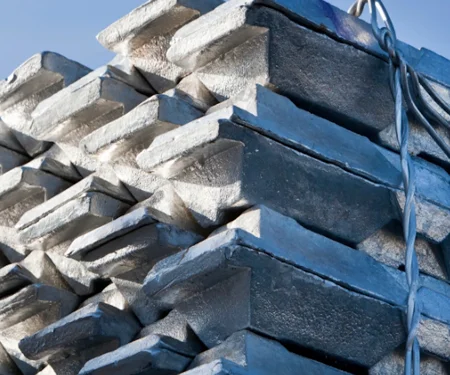
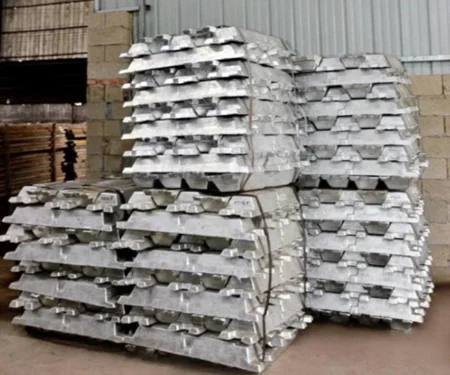
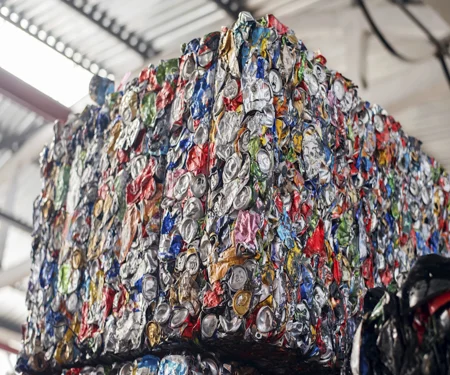
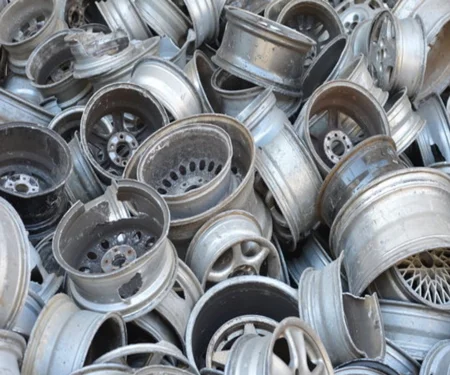
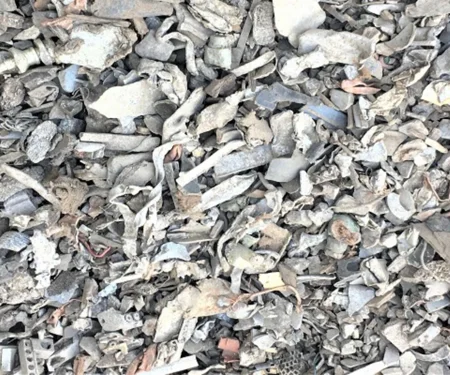
Stock image for referential purposes only
The European Union (EU) is preparing a broader restriction on aluminium scrap exports to non-Organisation for Economic Co-operation and Development (OECD) countries, replacing an earlier trade proposal that would have covered only part of the bloc’s scrap flows. The move could largely impact international aluminium recycling trade, especially major Asian destinations such as China and India.
As per an official statement released from the cabinet, EU Executive Vice-President Stephane Sejourne has “decided to withdraw the proposal and to explore a proposal, independent from trade instruments.” and is instead working on a delegated act under the Waste Shipment Regulation.
The European Commission had initially been expected to introduce limited measures on September 23. However, “In the internal discussions, it appeared that the tool proposed could only cover around a half of the scrap export.”
The proposed legislation under the WSR would prohibit “exports of waste, including aluminium scrap to non-OECD countries with the exception of some EU candidate countries.”
Join the webinar by Alberto Monje Gama to learn about recycled aluminium, CBAM and trust
China and India among major destinations
For the European aluminium industry, which has been awaiting an update on the export curbs announcement, postponed to September 2026, the availability of scrap has become increasingly important as recyclers and producers look to reduce energy consumption and emissions.
The proposal could have a direct impact on established aluminium scrap trade routes. China, India and several other Asian markets are not members of the OECD and have been important destinations for European scrap exports.
In the January-June period, or the first half of 2026, the EU exported 674,337 tonnes of aluminium scrap worldwide, of which 189,773 tonnes went to China, reflecting the country’s 28.14 per cent share of the bloc's exports.
In the same period, India accounted for 166,434 tonnes, or a staggering 24.68 per cent of the EU’s total aluminium scrap shipment volume.
The European Commission is expected to open the proposal for public consultation before moving towards adoption by the end of 2026.
The proposed broader regulatory approach sits at the intersection of scrap security, aluminium recycling and decarbonisation. If adopted as proposed, the new framework could redraw European aluminium scrap flows and increase the importance of domestic recycling capacity within the bloc while potentially altering supply patterns for overseas recyclers.
To explore trade opportunities of secondary aluminium, visit AL Biz
Coal-heavy Australian aluminium vs renewables-led New Zealand: How Oceania is balancing decarbonisation
Next articleAlba reaches 50m hours without LTI, strengthening aluminium safety record
Grow with
AL Circle