EU aluminium scrap levy hits trade talks as India and Brussels advance FTA plans

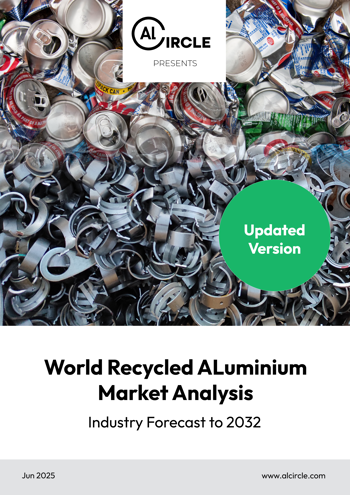
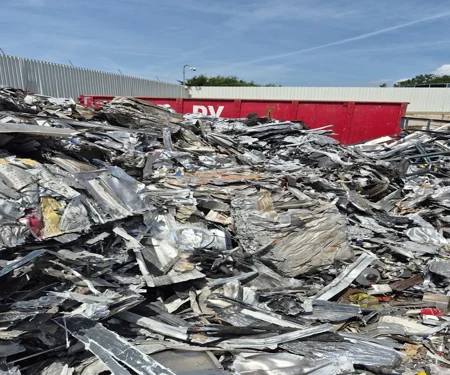
Stock image for referential purposes only
The EU aluminium scrap export plan has emerged as a sensitive issue in EU-India trade negotiations. It highlights that Brussels has met with a challenge, attempting to secure recyclable raw materials for European aluminium producers while advancing a long-awaited free-trade agreement (FTA) with New Delhi.
India was among 91 countries that would have been exempted from a proposed EU levy on aluminium scrap exports. European and industry sources said that the proposal faltered before the European Commission put the levy on hold as pressure from New Delhi appeared at a crucial juncture of the EU-India negotiations.
The Commission has confirmed that the measure is no longer moving ahead in its original form. However, the decision has not been publicly linked to India or the ongoing trade negotiations.
Showcase your brand, aluminium recycling initiatives and sustainability vision in our upcoming magazine: Sustainability & Recycling: Aluminium’s Commitment 2026.
The strategic sway of aluminium scrap
The issue has gaining greater prominence for European aluminium manufacturers, for producing recycled aluminium requires 95 per cent less energy than making primary metal, rendering scrap important to companies targeting to achieve lower production costs and emissions.
European recyclers and aluminium producers have argued that excessive volumes of recyclable material are leaving the bloc for markets offering higher prices. Their concern is that European industry is being encouraged to invest in lower-carbon production while losing access to an important feedstock needed to support that transition.
The proposed levy was intended to make exports outside the EU less attractive. However, it also created a potential complication for Brussels because several major destinations for European aluminium scrap are countries with which the bloc is pursuing broader economic agreements.
India is particularly relevant in this context. With 80-85 per cent of imports meeting its demand for domestic aluminium scrap, India is a major buyer of European aluminium scrap, while the EU and India are seeking to conclude an FTA covering a much wider range of goods, services and investment. Their current round of negotiations has been under way since 2022, following years of stalled discussions.
A new EU restriction on a commodity purchased in significant volumes by Indian industry could therefore have added another point of contention to negotiations already dealing with tariffs, market access and regulatory issues.
Brussels weighs scrap policy against wider trade interests
For the EU, the policy challenge is clear. The levy proposition triggered objections from India during a crucial stage of negotiations. At the same time, exempting India and other destinations could have reduced the effectiveness of the measure as a tool for retaining aluminium scrap within Europe.
This tension appears to have contributed to the Commission considering a different approach.
Brussels was moving away from an aluminium-specific levy and examining broader restrictions under EU waste-export rules. Such rules could potentially restrict exports of certain waste materials to non-OECD countries unless it is confirmed that the material would be handled according to EU-accepted standards.
The distinction is significant. A levy would directly increase the cost of exporting aluminium scrap and could immediately influence trading decisions. Waste-export restrictions would operate through a different legal framework, focusing instead on the conditions under which recyclable material can be shipped and processed overseas.
Indian concerns also loomed large over possible European restrictions on aluminium scrap exports. The issue has reportedly extended beyond industry concerns and become part of the broader EU-India economic relationship.
For European aluminium producers, the outcome remains unresolved. The Commission has not abandoned its objective of improving access to recyclable raw materials, but it has yet to settle on a mechanism that can achieve this without creating additional complications with major trading partners.
The issue also reflects a wider policy challenge for the EU. As Brussels seeks to retain materials considered important for European industry while expanding trade relationships beyond the bloc, restrictions on secondary raw materials and sustainability-related market rules can have consequences for overseas manufacturers that depend on European feedstock.
The aluminium scrap debate illustrates that tension. Measures designed to strengthen European supply can affect production chains abroad, while affected governments can raise those concerns during broader trade negotiations.
For the time being, no aluminium scrap levy has been adopted, and there is no public Commission document stating that India urged its withdrawal. Brussels has also not announced a final replacement mechanism delivering the same effect.
What has become quite evident is that the destination of Europe’s aluminium scrap is no longer solely an industrial or environmental policy question. It is becoming part of the bloc’s wider trade relationships, with the EU-India negotiations showing how closely resource policy and international trade interests can intersect.
Aluminium price risk management Why recyclers need to know about hedging now
Next articleEGA reviews German recycling expansion after EU drops 15% aluminium scrap duty
Grow with
AL Circle