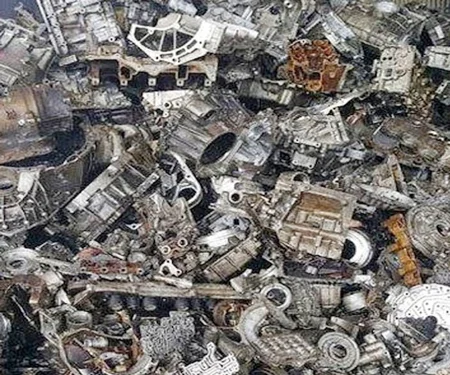
India's imported aluminium scrap price tanks due to uncertainty in global aluminium market

The prices of imported aluminium scrap into India have decreased by $50-60 per tonne this week compared to the previous week. This is due to unimpressive London Metal Exchange futures prices.
While prices have declined steadily, market sentiment remains uncertain due to highly volatile LME futures. Confusion prevails as no firm bids have been heard from buyers, making it challenging for participants to estimate the market trend.
China's factories and businesses were not optimised as it was supposed to in April, and people did not spend as expected, although their expenditure increased compared to last year. Industrial production only grew by 5.6%, which is much lower than experts predicted. However, this is still an improvement from March's 3.9% growth.
The three-month aluminium futures and spot prices on the LME decreased by $61 per tonne week-on-week to $2,259 per tonne from $2,320 per tonne on May 9. The estimated aluminium stocks at present are at 568,200 tonnes.
Buyers in a challenging market are cautious about booking due to unclear pricing. Instead, they are making prompt bookings for their immediate needs. Meanwhile, sellers need help to sell materials due to healthy inventory levels in different regions. They are waiting for the market to gain clarity before making any moves.
Trading volume has decreased by 30-40% due to the limited number of market participants in this environment. Buyers are only procuring materials on an urgent need basis. The SHFE aluminium contract price dropped to RMB 17,995 per ton from the previous week.
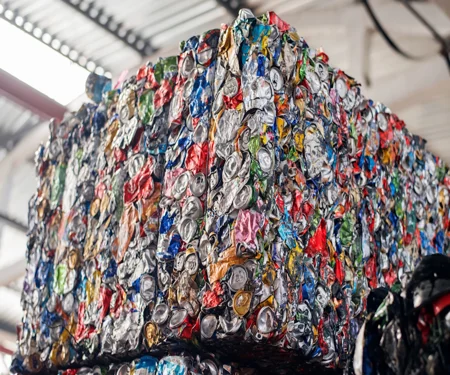
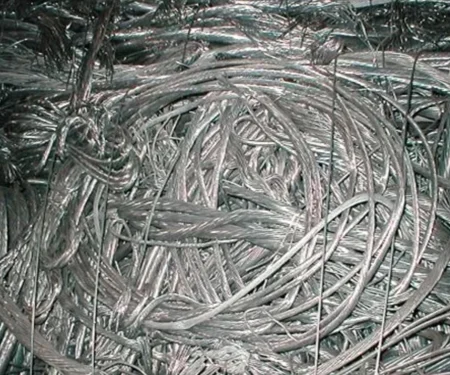
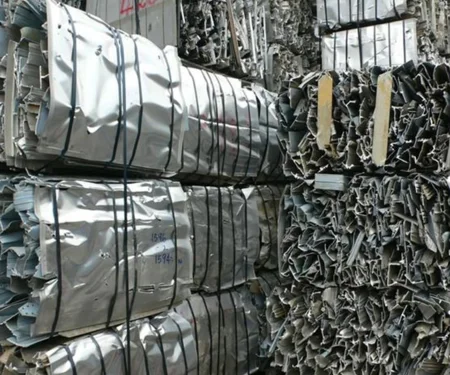
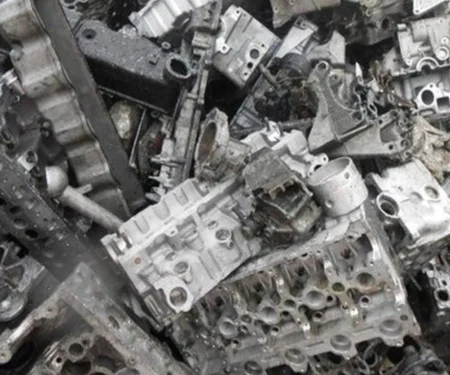
Aluminium taint tabor (2-3% attachment) of US origin is being offered at around $1,760 per ton CFR Nhava Sheva. Aluminium talk sourced from the US is being presented at $4,400-4,430 per ton CFR Nhava Sheva. However, 20 tons of the material were traded at around $50-60 per ton, which is higher than the market price.

The aluminium tense of Middle East-origin is priced at $1,690-1,700 per tonne CFR Nhava Sheva. However, price variations of $40-50 per tonne have been seen in other Middle Eastern regions like Kuwait and Saudi Arabia. These prices vary based on uncertain market dynamics and differ from seller to seller.
Received under the content exchange agreement with SteelMint
CIAL report claims Italy recycled 73.6% aluminium packaging waste last year
Next articleRATH offers relining solution for melting furnace in Aluminium GmbH Nachrodt
Grow with
AL Circle