AlCircle.com
India based e-waste recycling startup successfully extracts aluminium and copper from scrap
Edited by : Beethika Biswas
2 min read

<p>An e-waste recycling startup in Faridabad, India by “a recycler with professional degrees and an organized setup” is changing the way people in India look at scrap recycling.</p>
<p>The Namo E-waste Management was started in 2014 by 28 year old Akshay Jain , who did his MBA from Greenwich University in the UK, where he learnt how organized waste management worked.</p>
<p><img style="vertical-align: middle; display: block; margin-left: auto; margin-right: auto;" src="http://www.alcircle.com/uploads/images/Namo%20waste.jpg" alt="News" width="517" height="226" /></p>
<p>“Waste was properly segregated, identified and disposed of according to specified norms across the UK. I was inspired by the robust recycling mechanism in place and wanted to do something similar in India,” he says. <br /> <br /> “I focused on e-waste because of a near total lack of awareness about it and also because it is the fastest growing solid waste stream here,” he says.</p>
<p>The company took one year to get the logistics in place and it stated operations in August 2015. <br /> within two years of operations, NCR-based Namo E-waste has expanded its operations in 12 states and Union Territories through its e-waste collection centres and channel partners.</p>
<p>“We have been able to reach 70% of the e-waste generated in the country,” adds Jain.</p>
<p>{googleAdsense}</p>
<p>The company has entered into contracts with large corporates to collect their e-waste. Some of their clients include Flipkart, Havells, Voltas, TataSky, Godrej and Telenor. The company also collects e-waste from housing societies, resident welfare associations and individuals in a parallel B2C set up which they plan to expand further.</p>
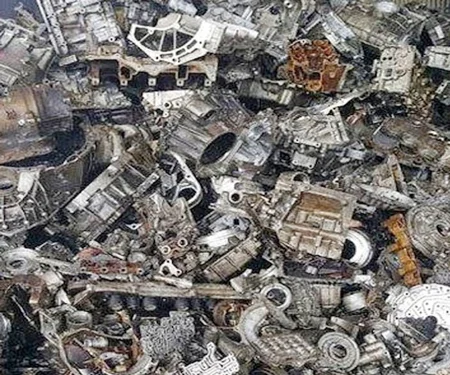
<p>The company first segregate the collected e-waste and put the usable devices for refurbishing. These are then sold through online marketplaces and a dealers’ network. The unusable waste is then scrapped and remelted to extract valuable metals like aluminium, copper, iron, etc., which are then supplied to local foundries. <br /> </p>
Previous article
US aluminium scrap recovery up 2% in February
Next articleJapan’s aluminium scrap export to S. Korea may slow down on Hyundai procurement probe
Grow with
AL Circle