In the Indian tariff league, let’s analyse which wins: Tit-for-tat tax or Tariff 2.0
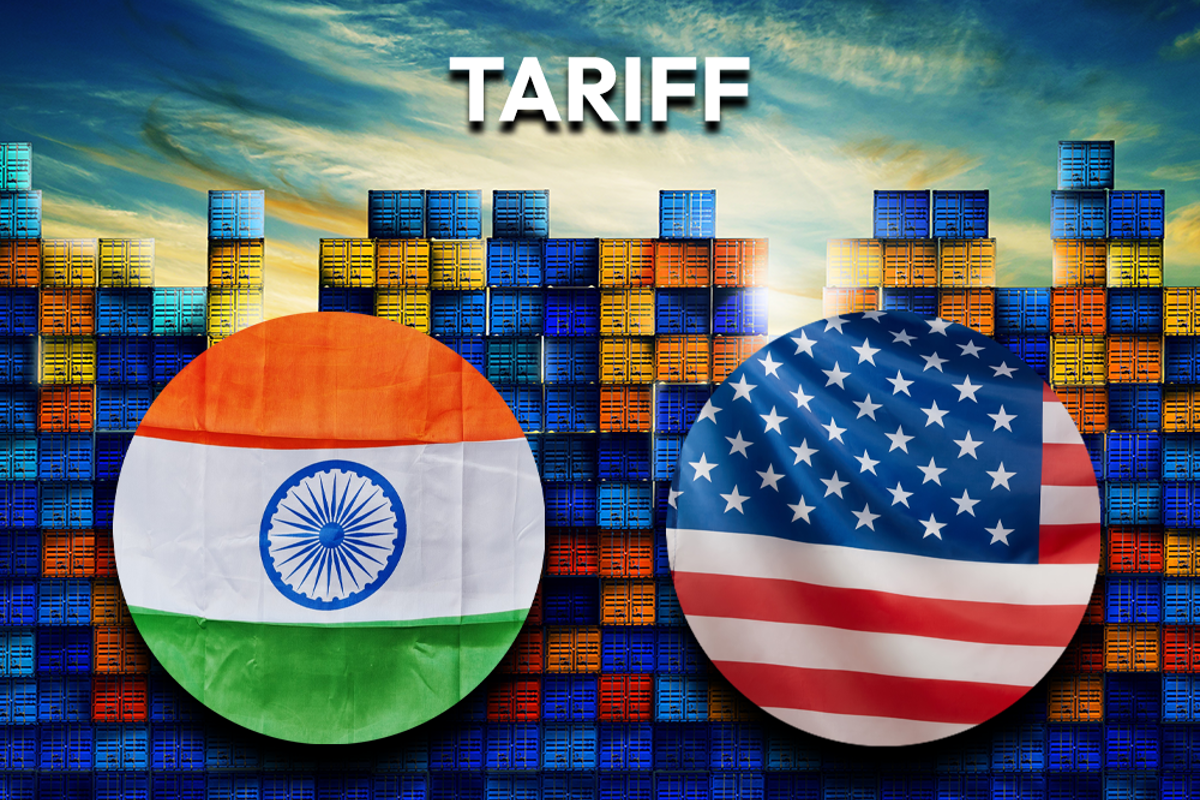
The trade battleground is heating up as US President Donald Trump announces reciprocal as well as a bout of tariff on ‘Liberation Day,’ and India has found herself at the centre of a high-stakes of the sparking trade war. The United States slapped with a 26 per cent tariff on Indian goods, and it seems the brunt is going to be strongest for gems and jewellery along with electronics product export. Is India’s aluminium industry bracing for impact, too? It shouldn’t, at least not yet, as the auto and auto parts have been exempted from the latest tariff announcements apart from the original 25 per cent slab.
Alongside, amid the chaos, does India have an overall upper hand? Let’s find out.
The US has been steadily tightening its tariff grip, as certain Indian goods already face a 25 per cent duty — on steel, aluminium, and auto exports. Now, a sweeping 26 per cent tariff is set to hit most other products from April 9 post a baseline tariff of 10 per cent between April 5-8. Apart from India, over 60 countries are affected by the measures. When compared with some of India’s Asian competitors, China (34 per cent), Vietnam (46 per cent), and Bangladesh (37 per cent), India’s position, though challenging, remains relatively favourable.
Unlock full access – sign up for FREE.
Key benefits
Forensic probe confirms aluminium powder behind the deadly Gujarat firecracker warehouse blast
Next articleNew aluminium manufacturing unit by Premier Energies to boost its presence in the renewable energy sector
Grow with
AL Circle