23 APRIL 2012Waste-management-world.com
Households play their part for a green spin-off
Edited by : AL CIRCLE
4 min read

The benefits of environmental awareness starting at home may well surpass consumers' expectations, writes Anna-Marie Smith
THE notion of & reduce, re-use and recycle& is well supported by an increasing number of industry professionals, organisations and associations sharing the common goal of sustainability.
However, the actions of consumers, both in business and households, in terms of their environmental performance was seen when 15 African cities were rated at the end of 2011 in the African Green Cities Index. Conducted by Economist Intelligence Unit and sponsored and published by Siemens, rankings were spread across eight different categories.
The index included Cape Town, Durban, Johannesburg and Pretoria and were measured in eight categories - energy and C02, land use, transport, waste, water, sanitation, air quality and environmental governance.
The single highest rating of well above average ++ among all five SA cities was Cape Town in the land use category, while the single lowest rating was Pretoria in the waste category. Cape Town, Durban and Johannesburg received an overall rating of above average+, with Pretoria rated overall average. All four cities were rated above average for the three categories of transport, air quality and environmental governance, with the lowest ratings going to the four categories of energy and C0², waste, water, and sanitation.
These ratings show the neediest areas for improved environmental performance falling in categories directly affecting households.
Recycling by Western Cape residents in co-operation with waste-collection companies are achieving huge reductions in the volumes of domestic waste destined for landfills.
Bertie Louwrens, of WastePlan, says that by servicing 150000 households in Cape Town and Pretoria they divert 2000 tons of waste from landfill a month. & The very first residential area serviced in November 2007 was 11000 homes where in the first month 80 tons of material grew to an average monthly weight collection of 250 tons in three years. Participation grew by 300% from the first month over three years.& He says that the average participation for that area is currently more than 80%.
Illustrating the necessity of domestic recycling beyond daily waste, as well as the successful re-use possibilities that follow, is the 388 tons of recycled plastics used to produce SA's longest benches and walkways at Nelson Mandela Bay. There is a wealth of factual information freely available relating to carbon-exchange programmes of companies sourcing sustainable, accredited materials, or manufacturing processes before final purchases.
Increased domestic recycling of décor products is needed, such as window coverings, flooring, counters or cabinets, resulting from more frequent upgrading than permanent fixtures.
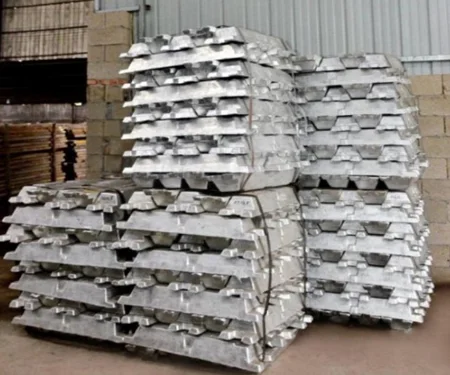
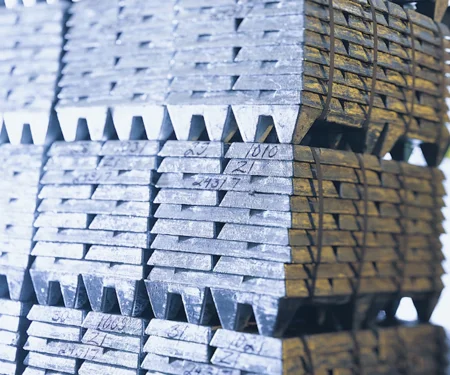
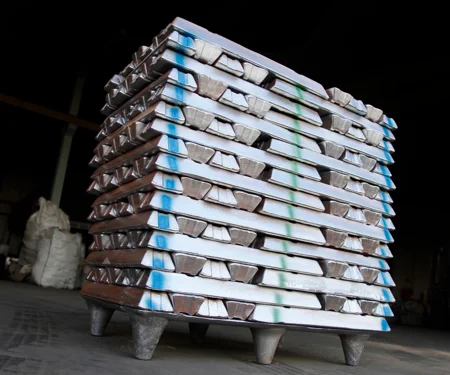
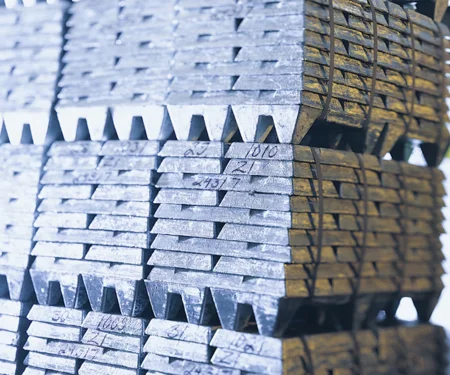
Aluminium can be recycled indefinitely without loss of quality and recycled aluminium accounts for a third of aluminium consumption worldwide.
In addition to commonly used applications for window and door frames it features in other household products. Window coverings, such as the Verosol Green Screen containing small quantities of aluminium, is an alternative method of reducing a number of factors, including sun glare, the need for air conditioning and artificial light.
Jan-Henk Dekker, area manager of Verosol, says the product was developed by applying a microscopic layer of aluminium to textiles.
He says aluminium blinds or screens can reflect 77.7% of heat-inducing rays without compromising light or views. Aluminium blinds also serve as a & space blanket& keeping warmth inside and retaining heat during winter.
Verosol also offers an innovative recycling programme.
& Once a product is purchased it is difficult to monitor whether or not the owner recycles it once it is no longer required or replaced. The next step is to utilise the notion of leasing the products in a sense. In this way when they are replaced or no longer required they are returned to us and we ensure they are recycled.& Since the initial outlay for most green alternatives is higher that its non-green counterparts, consumers should realise the benefits of long term savings.
& Countries like SA need to realise the role they play in setting the standard for the rest of Africa. In terms of what is happening internationally SA has adopted the 'green' philosophy quite well; it's now about keeping ahead and continuing to pioneer new ideas towards being more environmentally friendly,& says Dekker.
Aluminium can be recycled indefinitely - apart from its use in windows and door frames it features in window coverings, such as the Verosol Green Screen - a method of reducing glare and the need for air conditioning
THE notion of & reduce, re-use and recycle& is well supported by an increasing number of industry professionals, organisations and associations sharing the common goal of sustainability.
However, the actions of consumers, both in business and households, in terms of their environmental performance was seen when 15 African cities were rated at the end of 2011 in the African Green Cities Index. Conducted by Economist Intelligence Unit and sponsored and published by Siemens, rankings were spread across eight different categories.
The index included Cape Town, Durban, Johannesburg and Pretoria and were measured in eight categories - energy and C02, land use, transport, waste, water, sanitation, air quality and environmental governance.
The single highest rating of well above average ++ among all five SA cities was Cape Town in the land use category, while the single lowest rating was Pretoria in the waste category. Cape Town, Durban and Johannesburg received an overall rating of above average+, with Pretoria rated overall average. All four cities were rated above average for the three categories of transport, air quality and environmental governance, with the lowest ratings going to the four categories of energy and C0², waste, water, and sanitation.
These ratings show the neediest areas for improved environmental performance falling in categories directly affecting households.
Recycling by Western Cape residents in co-operation with waste-collection companies are achieving huge reductions in the volumes of domestic waste destined for landfills.
Bertie Louwrens, of WastePlan, says that by servicing 150000 households in Cape Town and Pretoria they divert 2000 tons of waste from landfill a month. & The very first residential area serviced in November 2007 was 11000 homes where in the first month 80 tons of material grew to an average monthly weight collection of 250 tons in three years. Participation grew by 300% from the first month over three years.& He says that the average participation for that area is currently more than 80%.
Illustrating the necessity of domestic recycling beyond daily waste, as well as the successful re-use possibilities that follow, is the 388 tons of recycled plastics used to produce SA's longest benches and walkways at Nelson Mandela Bay. There is a wealth of factual information freely available relating to carbon-exchange programmes of companies sourcing sustainable, accredited materials, or manufacturing processes before final purchases.
Increased domestic recycling of décor products is needed, such as window coverings, flooring, counters or cabinets, resulting from more frequent upgrading than permanent fixtures.
Aluminium can be recycled indefinitely without loss of quality and recycled aluminium accounts for a third of aluminium consumption worldwide.
In addition to commonly used applications for window and door frames it features in other household products. Window coverings, such as the Verosol Green Screen containing small quantities of aluminium, is an alternative method of reducing a number of factors, including sun glare, the need for air conditioning and artificial light.
Jan-Henk Dekker, area manager of Verosol, says the product was developed by applying a microscopic layer of aluminium to textiles.
He says aluminium blinds or screens can reflect 77.7% of heat-inducing rays without compromising light or views. Aluminium blinds also serve as a & space blanket& keeping warmth inside and retaining heat during winter.
Verosol also offers an innovative recycling programme.
& Once a product is purchased it is difficult to monitor whether or not the owner recycles it once it is no longer required or replaced. The next step is to utilise the notion of leasing the products in a sense. In this way when they are replaced or no longer required they are returned to us and we ensure they are recycled.& Since the initial outlay for most green alternatives is higher that its non-green counterparts, consumers should realise the benefits of long term savings.
& Countries like SA need to realise the role they play in setting the standard for the rest of Africa. In terms of what is happening internationally SA has adopted the 'green' philosophy quite well; it's now about keeping ahead and continuing to pioneer new ideas towards being more environmentally friendly,& says Dekker.
Aluminium can be recycled indefinitely - apart from its use in windows and door frames it features in window coverings, such as the Verosol Green Screen - a method of reducing glare and the need for air conditioning
Previous article
Recyclers to pay extra for aluminum cans for Earth Day
Next articleYechiu Metal Soars 14% As It Joins Taiwan Listings In China
Grow with
AL Circle