您想继续阅读英文文章还
是切换到中文?
是切换到中文?

THINK ALUMINIUM THINK AL CIRCLE

中文翻译附于新闻末尾,敬请继续阅读。
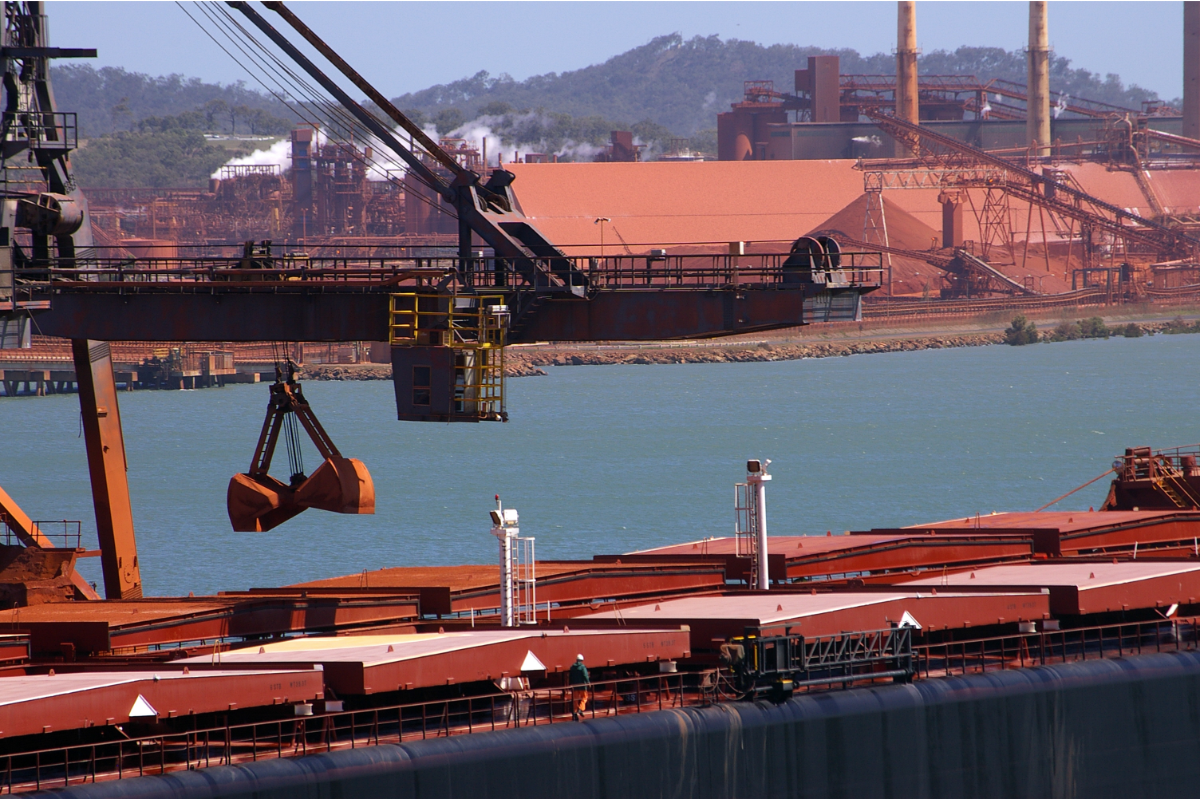
{alcircleadd}Guinea, the world’s largest bauxite exporter, is considering measures to regulate production and exports in a bid to stabilise falling prices of the key aluminium raw material. The move comes as bauxite prices have nearly halved since early 2025, despite Guinea’s exports rising by over 25 per cent year-on-year to 183 million tonnes in 2024.
Explore- Most accurate data to drive business decisions with Global ALuminium Industry Outlook 2026 across the value chain
Policy aimed at curbing price decline
Bouna Sylla, Minister of Mines and Geology, stated that the government is engaging with mining companies to limit output in line with approved plans. Elaborating on the objective, he said, “This policy aims to regulate bauxite production to prevent price declines, thereby avoiding reductions in corporate revenues and government tax revenues.”
The government has instructed miners not to exceed production levels specified in their licences, noting that actual output in some cases has surpassed approved limits.
“This decision will take effect in the coming weeks and aims to align production and export volumes in 2026 with the levels outlined in the feasibility study report,” Sylla added.
He also clarified that the objective is not an outright ban, mentioning, “We are not looking to ban exports, but rather aim to regulate the production and export of bauxite.”
Must read: Key industry individuals share their thoughts on the trending topics
Supply dynamics, value addition and global implications
Guinea’s strategic move comes at the time of heightened uncertainty in the global aluminium market, with geopolitical tensions in the Middle East already affecting around 9 per cent of global aluminium production capacity and subsequent trade dynamics.
However, the effectiveness of the policy in lifting prices remains uncertain, as alternative suppliers such as Australia and Brazil could offset any supply reduction.
Alongside export controls, Guinea is also seeking to strengthen its domestic processing capacity. The government recently revoked a mining licence held by a unit of Emirates Global Aluminium after the company failed to meet commitments to build an alumina refinery, transferring the asset to a state-owned entity.
Guinea’s stance follows similar resource control measures across Africa. The Democratic Republic of the Congo has suspended cobalt exports and introduced quotas, while Zimbabwe recently halted exports of lithium concentrates and ores.
作为全球第一大铝土矿出口国,几内亚正研究通过调控生产与出口举措,遏制铝土矿价格下行。自2025年初至今,铝土矿价格近乎腰斩,但该国2024年铝土矿出口量同比大增超25%,达1.83亿吨。
一、出台控产政策,托底原料价格
几内亚矿业与地质部长布纳・西拉表示,政府正与各大矿山企业磋商,依照审批规划实施限产。他介绍政策初衷:“出台管控意在规范铝土矿开采、止住价格跌势,避免矿山营收与国家财税同步缩水。”
官方已明确要求矿企开采量不得超出采矿权证核定产能,此前部分企业实际产量已突破获批上限。西拉补充:“该管控新政将于数周内落地,力争2026年产销规模回归项目可研报告核定水平。”
他同时澄清,政策并非全面禁运:“我们不会禁止铝土矿出口,仅对开采与外销规模进行规范化管控。”
二、供需格局、本土深加工及全球行业影响
当前全球铝市场不确定性攀升,中东地缘冲突已冲击全球约9%电解铝产能、扰动产业链贸易,几内亚此番调控恰逢行业变局节点。
不过该政策能否成功抬升矿价尚存变数:澳大利亚、巴西等备选供应国可通过增量出货,对冲几内亚减量带来的供应缺口。
在管控出口之外,几内亚同步加速落地矿产就地深加工。阿联酋环球铝业子公司因未兑现建设氧化铝炼厂的投资承诺,相关采矿许可被几内亚政府收回,对应资产划转至本土国企。
几内亚管控原矿的思路与非洲多国资源管控趋势一脉相承:刚果(金)已落地钴矿出口暂停与配额制度,津巴布韦近期也全面叫停锂矿原矿及锂精矿外销。
Don't miss out- Buyers are looking for your products on our B2B platform

Responses