GTRI seeks a trade policy shift to keep more aluminium within India
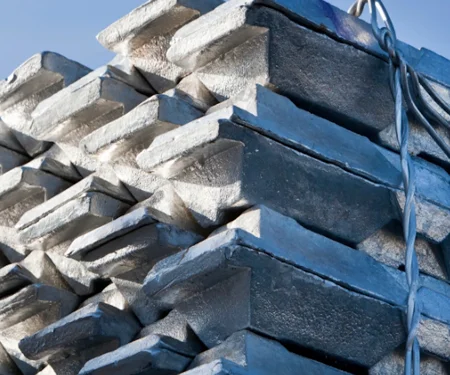
The image used in this article is generated with an AI tool and does not depict any real-time moment
In a recent report, the Global Trade Research Initiative (GTRI) said that India needs to comprehensively overhaul its aluminium trade framework to maximise the value of its natural resources and enhance domestic manufacturing.
The policy think tank argues that several changes are needed, including eliminating import duties on unwrought aluminium, fixing the current inverted tariff structure, and introducing a 20 per cent export tax on primary aluminium. These measures, it says, would help shift the focus from exporting raw metal towards expanding higher-value domestic manufacturing.
Published on Thursday, the report states that the existing tariff regime has created imbalances throughout the aluminium supply chain. Instead of encouraging industrial development, current policies have incentivised exports of primary aluminium, increased input costs for domestic manufacturers, and made it easier for finished aluminium products to enter the country through lower import duties.
Aluminium plays a central role in many strategic industries, including power transmission, renewable energy, electric vehicles, rail transport, construction, packaging, aerospace, defence and consumer goods manufacturing.
However, despite possessing abundant bauxite reserves, integrated refining and smelting facilities and access to relatively inexpensive power, India has yet to fully realise the economic potential of its aluminium sector.
Ajay Srivastava, founder of GTRI, said that although primary aluminium production has increased, manufacturers involved in producing value-added products are coming under mounting pressure.
This imbalance has led to a situation where India exports increasing volumes of aluminium in its basic form while importing more sophisticated, higher-value aluminium products. According to the report, this trend undermines domestic value creation, weakens manufacturing competitiveness and reduces opportunities for investment, job creation and export growth.
GTRI pointed to China as an example of a different approach. The report noted that China treats aluminium as a strategically important industrial resource, discouraging exports of primary aluminium and directing supplies towards domestic manufacturers. GTRI proposed removing the existing 7.5 per cent duty on unwrought aluminium so manufacturers can access the metal at internationally competitive prices.
Explore- Most comprehensive and forward-looking industry-focused report — Global Bauxite & Alumina Market Forecast to 2036: Supply–Demand, Trade Flows & Price Outlook
The organisation also urged policymakers to ensure that tariffs on raw materials and intermediate products remain lower than those imposed on finished goods. In addition, it called for a review of free trade agreement (FTA) provisions that currently allow finished aluminium products to enter India at little or no import duty.
Another key proposal is the introduction of a 20 per cent export duty on aluminium metal. GTRI believes this would discourage exports of primary aluminium and encourage producers to supply domestic manufacturers instead. Srivastava added that India could draw lessons from China's strategy, where a 30 per cent export duty on aluminium ingots helps retain larger quantities of aluminium for domestic industrial use.
The report also highlighted the stark contrast between the export profiles of the two countries. During 2025–26, India exported approximately USD 7 billion worth of aluminium and aluminium products. Of this total, 61.4 per cent consisted of aluminium metal, while finished products represented only 38.6 per cent.
China, by comparison, exported USD 42.5 billion worth of aluminium products over the same period. According to GTRI, value-added products accounted for 97.2 per cent of those exports, with primary aluminium making up just 2.8 per cent.
The research institute concluded that aligning tariff policies with broader manufacturing objectives would enable India to derive greater economic benefit from its aluminium resources, improve industrial competitiveness and create additional employment opportunities.
Participate in our upcoming e-Magazine - Mine to Market: ALuminium Producers & Manufacturers 2026

LME aluminium cash offer eases 0.06% amid prolonged West Asia disruptions threatening supply through 2027
Next articleVedanta’s post-demerger map has Aluminium ramp-up and critical minerals at core
Grow with
AL Circle