Goldman Sachs lifts aluminium outlook as EGA-Alba damages trigger market shock
The Iranian strikes dated March 28 on the Gulf sites of Emirates Global Aluminium (EGA) and Aluminium Bahrain (Alba) have brought on a new outlook on the aluminium market trend. On Tuesday, Goldman Sachs raised its London Metal Exchange (LME) aluminium price forecast from USD 3,200 to USD 3,450 per tonne for the second quarter of 2026. Amid the prevailing supply crunch due to the Strait of Hormuz closure, the price revision results from an intensified market vulnerability, the smelter damages leading aluminium into a new phase of volatility.
Explore- Most accurate data to drive business decisions with Global ALuminium Industry Outlook 2026 across the value chain
In addition to the Q2 forecast revision, Goldman Sachs has raised its 2026 annual average price forecast from USD 3,100 to USD 3,200 per tonne and also lifted its 2027 average forecast from USD 2,700 to USD 2,750 per tonne.
In his weekly LinkedIn newsletter, the London Metal Exchange trainer and risk management consultant, Jorge Eduardo Dyszel, mentioned, “The week of March 23–27 showed signs of stabilisation after the previous wave of aggressive liquidation.” With persisting volatility, “the market is no longer falling vertically, but it has yet to rebuild upward momentum,” he added.
However, Iran’s drone and missile attacks on the two leading Gulf smelters have once more sent the gradually recovering market tumbling into a new phase of panic over an aggravated supply crisis.
Damages hit EGA’s Al Taweelah facility, which has an annual capacity of 1.5 million tonnes and Alba’s plant of 1.6 million tonnes, catalysing the LME aluminium prices soaring near four-year highs.
Don't miss out- Buyers are looking for your products on our B2B platform
The March 31 session of LME aluminium closed with the cash offer price at USD 3,585 per tonne, breaking the previous record on March 12, which had witnessed the three-month benchmark surpassing USD 3,500 per tonne.
Goldman Sachs commented, "The impact on the global aluminium market remains highly uncertain," prompting the brokerage to remove 1.1 million tonnes of primary aluminium production from its 2026 balance.
Revising its outlook, the bank is now projecting a 570,000-tonne deficit in the global primary aluminium market in 2026, a sharp shift from its earlier estimate of a 550,000-tonne surplus.
The bank further noted that risks to its 2026 average price forecast remain tilted to the upside, particularly if the extent of damage exceeds expectations or in case additional supply disruptions due to strikes, or raw material or gas shortages.
海湾两大铝厂遇袭引发市场剧烈震荡,高盛上调铝价预期
3月28日,伊朗对阿联酋环球铝业(EGA)与巴林铝业(Alba)坐落于海湾地区的冶炼基地发起袭击,彻底改变全球铝市行情预期。受霍尔木兹海峡封航带来的原料供应紧缺影响,叠加冶炼厂受损加剧市场供应脆弱性、铝价步入新一轮剧烈波动周期,投行高盛于周二上调伦敦金属交易所(LME)2026年二季度铝价预测,由原先3200美元/吨上调至3450美元/吨。
除二季度报价预测外,高盛同步上调全年及次年铝价中枢:2026年铝全年均价预测自3100美元/吨上调至3200美元/吨;2027年全年均价由2700美元/吨上调至2750美元/吨。
伦敦金属交易所培训讲师、风控顾问豪尔赫・爱德华多・迪泽尔在领英周刊专栏中表示:“在前期一轮恐慌性集中抛盘过后,3月23日-27日当周铝价显现企稳迹象。尽管市场震荡仍存,但价格已不再单边暴跌,不过上行驱动尚未形成。”
然而,伊朗动用无人机与导弹袭击海湾两大头部铝冶炼厂,让本处在缓慢修复阶段的铝市场再度陷入恐慌,市场担忧全球铝供应危机进一步恶化。
本次受损项目包括年产能150万吨的阿联酋环球铝业Al Taweelah冶炼厂、年产能160万吨的巴林铝业厂区,受停产冲击带动,LME铝价一路冲高,逼近四年高点。
3月31日LME场内收盘,现货卖盘报价定格3585美元/吨,刷新阶段新高;此前3月12日,伦铝三月期合约价格就已突破3500美元/吨关口。
高盛研报点评:“本次地缘事件对全球铝产业链冲击仍存高度不确定性。”基于该判断,投行在2026年供需平衡表中剔除110万吨原铝有效供给量。
供需预期迎来重大反转:高盛由此前预判2026年全球原铝过剩55万吨,修正为全年短缺57万吨。
该行进一步提示:2026年铝均价上行风险显著偏大;一旦厂区实际损毁程度超预期,或后续遭遇袭击、原料紧缺、天然气断供等突发扰动,铝价仍有进一步冲高空间。
Must read: Key industry individuals share their thoughts on the trending topics

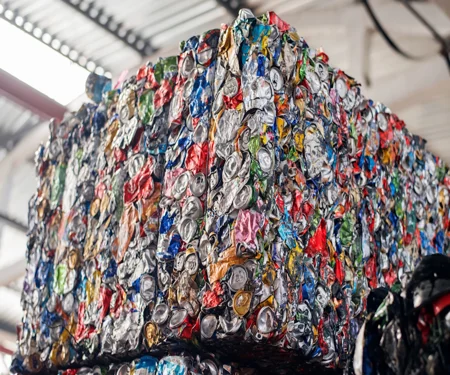
Image for referential purposes only
Iran’s attack drives aluminium higher, LME cash offer hits new high at $3,585/t
Next articleVedanta delays demerger deadline to June 2026 amid pending regulatory approvals
Grow with
AL Circle