GMG’s Aluminium-ion batteries could be a game-changer for the EV market
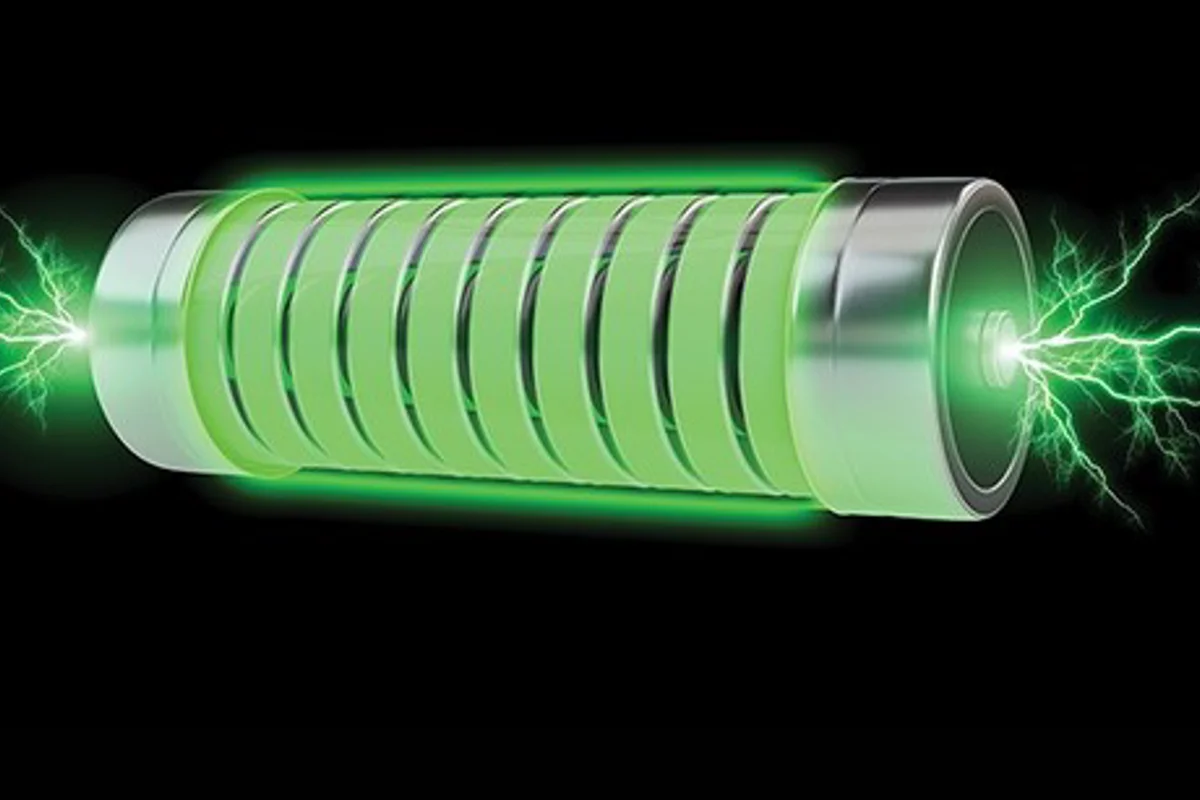
The Brisbane-Australia-based Graphene Manufacturing Group has come up with a cutting-edge technology that has the potential to revolutionize the electric car market, and substantially enrich the usage of renewable sources of energy.
GMG, the aluminium-ion battery developer has come up with one that can deliver up to three times the range on EVs and charge 60 times faster. This simply signifies a 10-hour charging cycle could be reduced to 10 minutes while matching up with the current generation of lithium-ion batteries.
The graphene company has combated this issue with a new genre of batteries that have been developed by nanotech. Ironically, these batteries are also safer as there is no upper ampere limit to cause impulsive combustion and this also makes it more sustainable, simpler to recycle.
On the contrary solid-state batteries, where battery technology of solid electrodes and a solid electrolyte is used and are being developed by numerous vendors, while one of them is QuantumScape, these batteries are much further along in their development. Bill Gates and Volkswagen funded QuantumScape is expected to commercialize its technology by 2025.
GMG programs to bring on its graphene aluminium-ion coin cells by late 2021, or maximum by 2022, whereas, by 2024, automotive pouch cell versions are expected to float.
To a great extent of this technology is based on nanotech from the Australian Institute of Bioengineering and nanotechnology at the University of Queensland. The battery cells use nanotechnology to insert aluminium atoms inside tiny perforations in graphene planes.
The charging speeds are lightning fast, as an iPhone-sized coin cell can be fully charged in below 10 seconds.
Craig Nicol, MD, GMG affirmed: "It charges so fast it's basically a supercapacitor. It charges an iPhone coin cell in less than 10 seconds."

"So far there are no temperature problems. 20% of a lithium-ion battery pack (in a vehicle) is to do with cooling them. There is a very high chance that we won't need that cooling or heating at all. It does not overheat and it nicely operates below zero so far in testing," he added.
He further added: “These batteries will be lighter as well as they don't need extreme cooling mechanisms. They don't need circuits for cooling or heating, which currently accounts for about 80kg in a 100kWh pack.”
Romania’s import of aluminium foil during 2018-20 reveals unstable movement
Next articleJDE Peet’s injects €110 million at French facility to increase aluminium coffee capsules production
Grow with
AL Circle