Global aluminium plates, sheets and strips trade 2025: Policy, cost and geopolitics reshape export
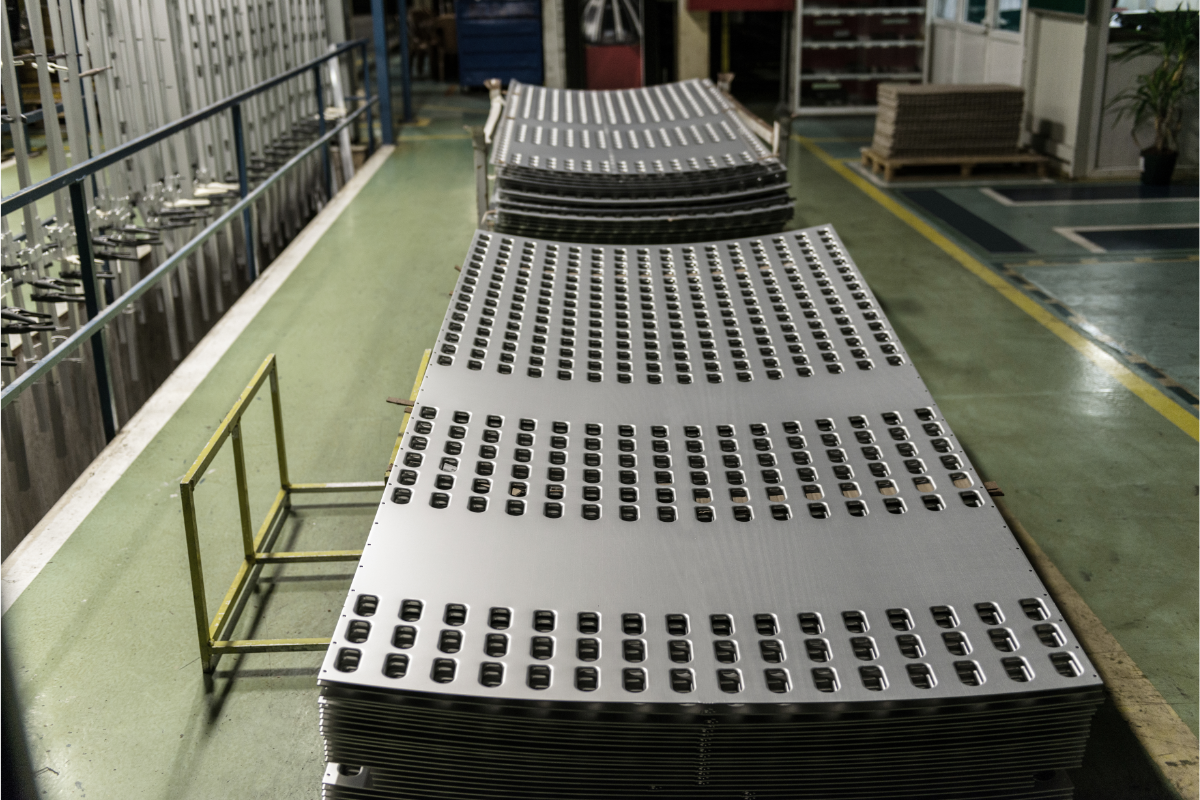
Global exports of aluminium plates, sheets and strips between 2023 and 2025 have formed a chain that goes beyond routine market cycles. The export trend depicts the reshaping of the market by policy decisions, geopolitical tensions and evolving supply chains. Latest trade data accumulated from the International Trade Administration throws light on how these factors directly influence export performance across major producing nations.
Explore- Most accurate data to drive business decisions with Global ALuminium Industry Outlook 2026 across the value chain
With the global consumption of aluminium plates, sheets and strips standing at 26.92 million tonnes in 2025, the total quantity traded by the top 10 exporters stood around 23.09 million tonnes, reflecting their dominance in the global Flat Rolled Products (FRP) market, controlling about 85.77 per cent of the market.
Unlock full access – sign up for FREE.
Key benefits
Shinsho and Taguchi team up on low-carbon aluminium recycling
Next articleWorldwide Aluminium downgraded to ‘Strong Sell’ amid weak finances and bearish signals
Grow with
AL Circle