GCC aluminium production outlook revised for Q2 2026 after April output shock
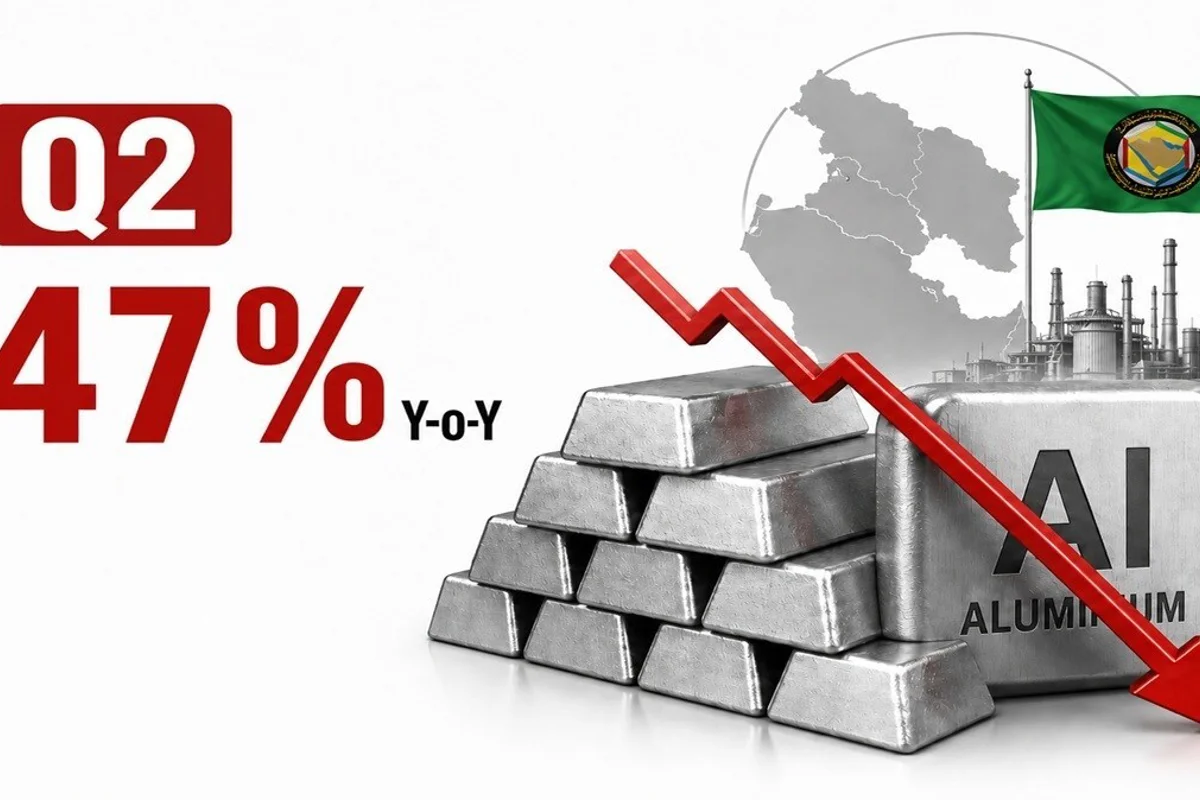
The image used in this article is generated with an AI tool and does not depict any real-time moment
As the Middle East conflict continues with full force, the Strait of Hormuz remains blocked, and 9 per cent of aluminium production and supply from the Gulf Cooperation Council (GCC) hangs by the thread of uncertainty. Compounded by the damages caused by the geopolitical unrest, GCC completes one-third of the April-June quarter (Q2) of 2026, with a staggering 26.87 per cent month-on-month production decline.
GCC April’26 rings warning bells
Aluminium production in the January-March quarter (Q1) of 2026 declined in the range of 540,000 to 570,000 tonnes or about 3.7 per cent, slipping from 1.55 million tonnes in the October-December quarter (Q4) in 2025 to 1.49 million tonnes in Q1 2026.
Unlock full access – sign up for FREE.
Key benefits
LME aluminium price hits $3,720/t; supply shortage deepens as stocks fall to 339,475t
Next articleCentury Aluminum faces earnings pressure from energy costs and aluminium price swings
Grow with
AL Circle