From Guinea to China: bauxite demand fuels $126B global market outlook
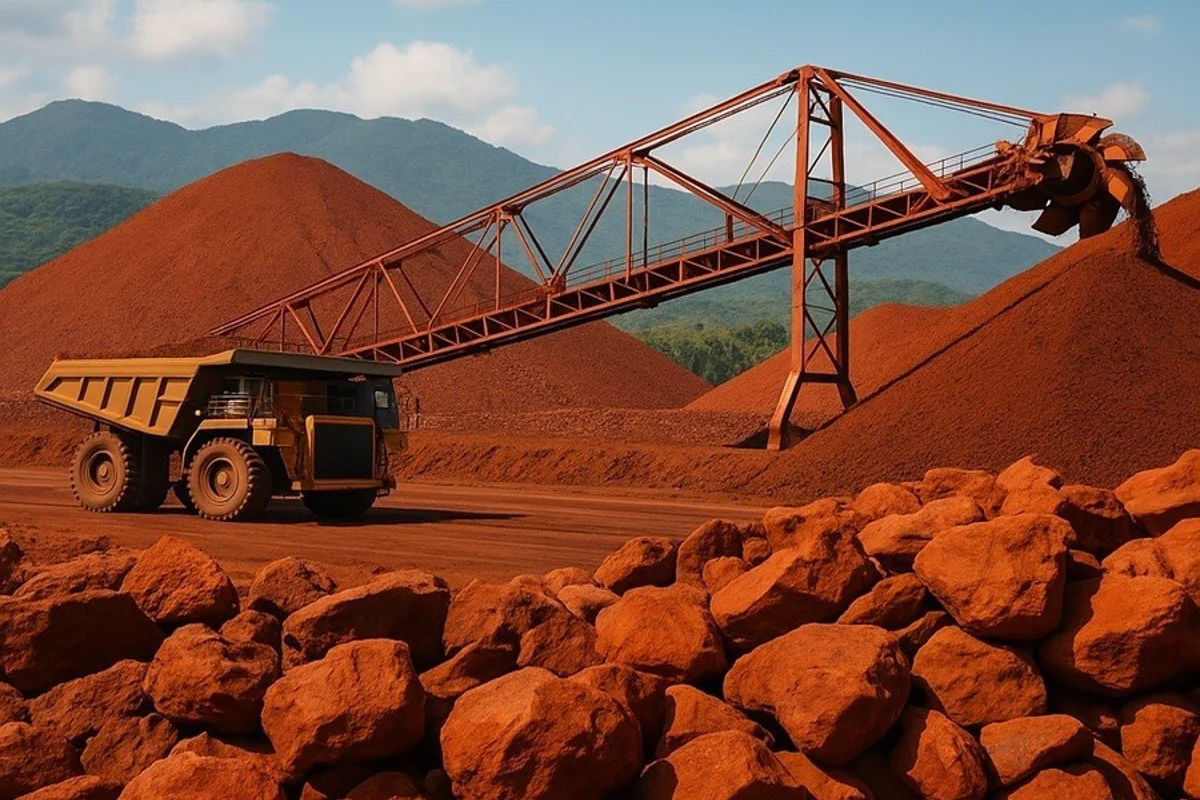
The bauxite market is expanding steadily, with analysts predicting the market will be worth nearly USD 126 billion by 2033. This sharp climb from USD 84.5 billion in 2025 is equal to a compound annual growth rate of 5.11 per cent.
Aluminium demand lies at the heart of this surge. Yet, the outlook is not all smooth. Supply bottlenecks, tougher environmental rules and geopolitical rivalries are there.
Aluminium’s expanding reach
Most of the world’s bauxite, about 85 per cent, ends up as alumina, which is then refined into aluminium. The metal has become hard to replace. In cars, the story is striking. Back in 1980, an average vehicle carried only about 120 pounds of aluminium. By 2030, that figure is expected to hit 252 kilograms.
For a broader view of the global bauxite market click: A Comprehensive Analysis of Bauxite Residue - Red Mud
The electric vehicle boom explains much of this leap. Automakers need lighter frames to counter the weight of heavy batteries, and in the US alone, the change could mean three million extra tonnes of aluminium demand.
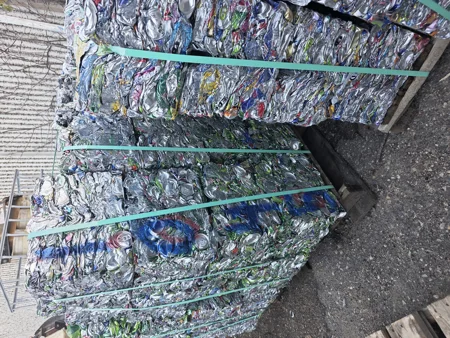
Aerospace tells a similar tale. More than 70 per cent of aircraft structures are built from aluminium because it is light, strong, and resists corrosion. Packaging adds yet another layer. Aluminium cans, long a staple, are gaining favour again as consumers turn away from plastics. The market for aluminium beverage cans, valued at USD 35.56 billion in 2024, is forecast to climb to USD 60.75 billion by 2033, a healthy 6 per cent annual growth rate, according to different sources.
The demand does not stop there. Aluminium is deeply embedded in construction, power grids, and electronics. With cities rising and infrastructure spreading, consumption is set to soar. The aluminium market as a whole is expected to leap from USD 183 billion in 2025 to more than USD 331 billion by 2035. That growth feeds straight back into bauxite.
US-China strategic rivalry
The balance of supply is shaped by the US and China. China is by far the dominant player. It produced 41 million tonnes of aluminium in 2023, more than half the world’s total. Its appetite for bauxite is immense. In 2024, Chinese imports hit 158.8 million tonnes, a jump of 12.3 per cent in a single year. Today, it takes over 60 per cent of all bauxite traded globally.
At the same time, China is reshaping its smelting footprint to align with environmental goals. Shandong Weiqiao Pioneering Group has relocated about 2.03 million tonnes of aluminium capacity from Binzhou in Shandong province to hydropower-rich Yunnan, cutting carbon emissions by tapping into cleaner energy. China Hongqiao Group is following a similar path, shifting around 2 million tonnes to Yunnan with plans to double that to 4 million tonnes by the end of 2025.
With local reserves shrinking and Indonesian exports restricted, Guinea and Australia have become its lifelines. Prices in China, averaging USD 99 per tonne by mid-2025, show the pressure of that demand.
The US sits in a more vulnerable position. About three-quarters of its bauxite is imported, mainly from Asia-Pacific suppliers. Washington is now pushing to develop mines at home, pointing to both industrial needs and national security. But dependence is hard to shake. In the second quarter of 2025, US buyers were still paying around USD 82 per tonne, a price shaped not only by demand but also by shipping backlogs, labour shortages and red tape.
Supply anchors: Guinea and Australia
Two suppliers hold the keys: Guinea and Australia. Guinea has nearly a quarter of the world’s reserves, roughly 7.4 billion tonnes. Its ore, rich in alumina and low in silica, is especially prized. Exports are forecast to climb from 146 million tonnes in 2024 to 199 million tonnes in 2025, with China taking about 60 per cent.
Bauxite already contributes more than 20 per cent to Guinea’s GDP and close to 90 per cent of export revenues. But the government wants more. Its decision to strip the UAE’s Guinea Alumina Corporation of its licence, after the company failed to build a promised refinery, sent a clear message. The concession, handed instead to state-owned Nimba Mining for 25 years, is part of a “mine here, refine here” push aimed at keeping more value in-country.
Australia holds about 16 per cent of global reserves. The country produced around 100 million tonnes of bauxite in 2024, supplying both domestic alumina refineries and export markets, notably China, which receives a major share of Australia's bauxite exports.
Rio Tinto has announced a USD 180 million expansion of the Amrun mine in Queensland, with first output due in 2027 and full ramp-up a year later. Such projects are meant not just to meet demand but also to cushion the market from future shocks.
Pricing and environmental pressures
Prices tell the story of a fragile balance. US buyers in 2025 were paying about USD 82 per tonne, while Chinese buyers were closer to USD 99. Import dependence, freight snarls and regional constraints explain the gap. But there are deeper costs too. Red mud, a toxic residue from refining, is expensive to manage — sometimes adding 50 per cent to operational spending. As governments tighten environmental rules, this challenge will only grow.
Demand beyond the giants
Other regions are reshaping the market as well. India’s industry was valued at USD 16.5 billion in 2024 and is expected to grow to USD 25.3 billion by 2033, an annual rate of 5.2 per cent. To meet this demand, domestic producers are ramping up investment. NALCO is spending about USD 3.43 billion on a new smelter and captive coal power plant in Odisha, which will add roughly half a million tonnes per year of capacity by 2030.
At the same time, Hindalco and Vedanta are expanding their refining and smelting facilities, aligned with India’s growing aluminium market.
Indonesia is following a similar trajectory, combining stronger mining output with major new refining and smelting capacity. PT Kalimantan Aluminium Industry is developing a 750,000-tonne smelter, while PT Bintan Electrolytic Aluminium is rolling out phased expansions in the Riau Islands. On the refining side, PT Bintan Alumina Indonesia and PT Borneo Alumina Indonesia are planning to produce several million tonnes of alumina annually within the next few years. Most of these projects are scheduled to be fully online by the mid to late 2020s.
Vietnam is also expanding its bauxite sector, with new mining and smelting projects under way to boost domestic output and cut import reliance.
Elsewhere, producers in Brazil, Ghana, Sierra Leone, and the Middle East are growing mining and refining activity on a smaller scale. Together, this diversification reduces dependence on a handful of dominant exporters and underpins the aluminium industry’s global expansion through 2033.
Outlook
Bauxite remains the ore on which aluminium and much of modern industry rests. Competition between Washington and Beijing is redrawing trade flows, while suppliers like Guinea and Australia are flexing greater control. The hurdles are real: environmental costs, fragile logistics, and political risks could unsettle the market. Yet technology, automation and new sustainability practices are beginning to soften some of these pressures.
What seems certain is that demand will keep rising. Aluminium’s role in everything from EVs to solar panels ensures bauxite will remain indispensable. By 2033, if current forecasts prove correct, the market will be worth close to USD 126 billion, anchoring its place as a cornerstone of global growth and a building block for a more sustainable future.
Also read: Aluminium China: 2025 & Beyond
Unlock full access – sign up for FREE.
Key benefits
China, a decade-old ally, unharmed in Guinea’s bauxite game. But why?
Next articleGovernment put Vedanta’s Odisha bauxite mine on hold, here’s what happening
Grow with
AL Circle












_md.webp)