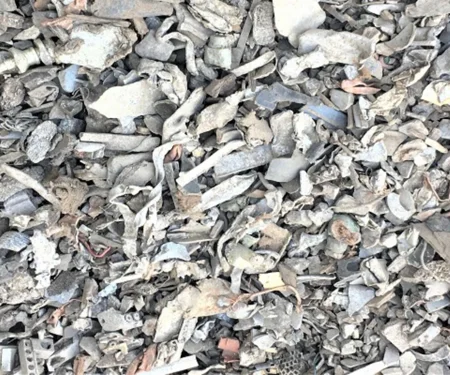
Global consumer product makers choose aluminium wiring as the copper price skyrockets
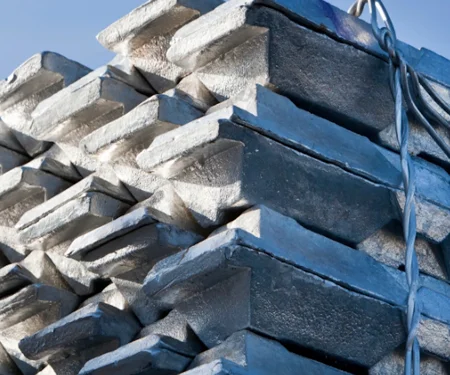
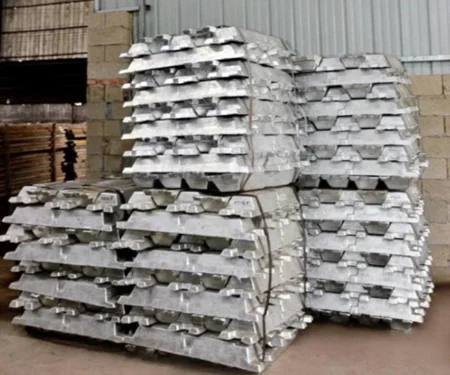
Stock image for referential purposes only
Copper prices spiked to a record high in late January, touching nearly USD 15,000 per tonne, driven by supply shortages alongside surging demand from the green-energy transition and data centres. Aluminium, by contrast, trades at roughly a quarter of copper's price.
The catch is performance: aluminium conducts electricity at only about 61 per cent of copper's efficiency, meaning aluminium conductors must be around 1.6 times larger to carry the same load. Copper is also about 3.3 times as heavy as aluminium by volume, which is part of why the trade-off still works out favourably for weight-sensitive applications like EVs
Industry sources say companies typically start weighing a switch once the copper-to-aluminium price ratio climbs to between 3.5 and 4.0. That ratio hit a record 4.3 in January and remains elevated at around 4.2.
Analysts at JPMorgan estimate the shift will affect around 2 per cent of global copper demand this year, a figure that could rise to as much as 6 per cent by 2030 under one scenario, as forecasts for copper supply continue to fall short of demand projections for more than a decade. Substitution itself isn’t new; aluminium has replaced copper in waves over the past two decades, but record prices this year have added fresh urgency to the trend. The move isn't without complications: US tariffs and the substantial energy required to produce aluminium, which carries a heavier greenhouse gas footprint, are factors companies must weigh alongside the cost savings.
Power grids
Nexans expects demand for both metals to stay strong as global investment in electricity grids is projected to reach EUR 10 trillion (USD 11.4 trillion) by 2030. Copper is expected to hold its ground in high-performance applications, while aluminium picks up a larger share of grid projects thanks to its lower cost and wider availability.
Prysmian, the Italy-based cable maker and the world's largest, said aluminium now makes up about 40 per cent of the materials it uses by weight, up three percentage points over the past five years, against 60 per cent for copper. The company pointed to strong projected growth in both grid resilience work and data centre buildouts as a driver of demand for both metals.
In Australia, state-owned distributor Energy Queensland has been gradually replacing copper with aluminium across its roughly 210,000-km distribution network as ageing assets reach the end of their working life. A company spokesperson said aluminium is more cost-effective, just as durable, lighter, and able to span greater distances between poles when stringing power lines.
Explore: The most comprehensive and forward-looking industry-focused report “ALuminium Wires & Cables - Insights & Forecast to 2030”
Automakers
Aluminium is spreading fastest in vehicle wiring, where reducing weight directly extends driving range — a priority for electric vehicle makers — and reducing cost matters most in fiercely competitive markets like China, where a price war has squeezed margins thin.
Ferrari, which already builds its bodies, engines and chassis from aluminium, told Reuters it introduced aluminium power cables in the 296-hybrid sports car last year and has since expanded their use to other models, including the Luce, its first electric vehicle, launched last month. Combined with narrower cable cross-sections, the switch has cut total wiring weight by 15 per cent to 20 per cent, the company said. Ferrari’s head of research and development, Dario Esposito, said the choice of aluminium was driven mainly by technical and weight considerations rather than cost savings.
BMW said it first used aluminium conductors in 2011 in its 1 Series and has steadily expanded their use across hybrid and battery-electric models since. Since launching its sixth-generation eDrive technology last year, the automaker has now used aluminium cables extensively in both high- and low-voltage systems.
An industry source told Reuters that Stellantis has also begun replacing copper wiring with aluminium, though the company declined to comment.
Tesla pioneered aluminium wiring in the Model Y in 2019 and later extended it to the Cybertruck, having already been an early adopter of large aluminium casting machines to simplify chassis construction. According to Terry Woychowski, president of engineering consultancy Caresoft Global, Chinese automakers have benchmarked Tesla's approach; Chinese EV makers AVATR, XPeng and Xiaomi have all adopted aluminium wiring in their vehicles. Neither Tesla nor the three Chinese automakers responded to requests for comment.
Chinese supplier JONVER said aluminium wiring products now account for roughly 30 per cent of its sales, up from 20 per cent in 2023. Norwegian producer Hydro also reported rising demand for aluminium products that displace copper in automotive applications, and expects aluminium's market share to keep growing. Hydro noted that around 85 per cent of the electrical wiring and busbars connecting an EV's battery to its systems are still made of copper — leaving substantial room for further aluminium adoption.
For forward-thinking aluminium market insights amidst supply chain and price challenges, read "ALuminium LeaderSpeak 2026"
In China — the world's largest metals consumer — a government policy paper issued in March 2025 encouraged industry to shift toward aluminium, and many companies have followed suit. Consultancy Zhuochuang estimates that 25 per cent to 30 per cent of copper components across the power, automotive and home-appliance sectors, by metal volume, could be replaced by aluminium by 2030.
Heating and cooling
The shift extends to climate-control equipment as well. Japan's Daikin, the world's largest air conditioning manufacturer, said in its 2025 annual report that it was maximising cost reductions by switching from copper to aluminium, though it declined to give further details. Lennox International has introduced aluminium coils in air conditioners and heat pumps to cut corrosion and weight, while Carrier Global has used aluminium coil technology in its coastal air conditioning and heat pump models since 2023 to improve resistance to corrosion.
Aluminium can industry focuses on circularity, lightweighting, and packaging innovation
Next articleAnheuser-Busch announces $20M investment in Missouri manufacturing
Grow with
AL Circle