Europe aluminium billet premium surges amid Iran conflict, exposing supply fragility

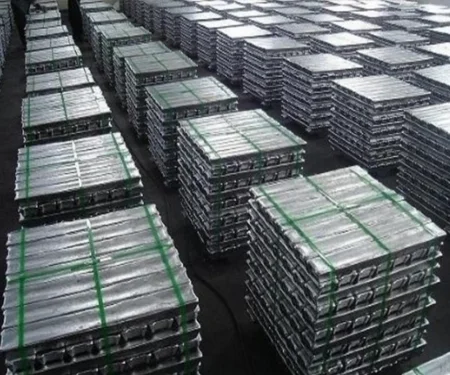
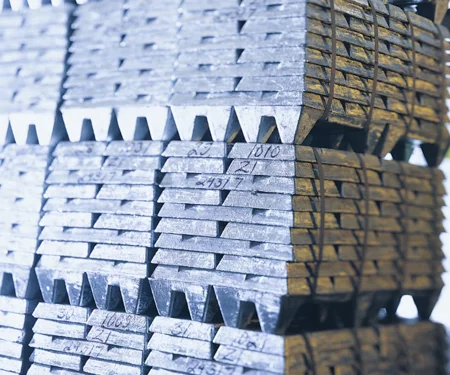
The image used in this article is generated with an AI tool and does not depict any real-time moment
Exports from the Gulf region, a key supplier of primary aluminium, billet, and other alloys to Europe, have been severely limited as the conflict has effectively brought most shipping activity through the Strait of Hormuz to a standstill.
Aluminium billet, which is a semi-finished product, saw a heightened European premium since the Iran war started. The surge in the premium is mainly because of the shortage arising from the last two months due to the disrupted supply in the Middle East, straining consumers in the construction and transportation sectors.
The Gulf region, which is deemed to be the key supplier of primary aluminium, billet and other alloys exported to Europe, has declined post the conflict. The export curb came in after the suspension of the bulk shipping due to the conflict in the Strait of Hormuz.
In the Middle East, there has been a dip in metal production, since the region contributes nearly 9 per cent of the global supply, with an annual capacity of 7 million tonnes.
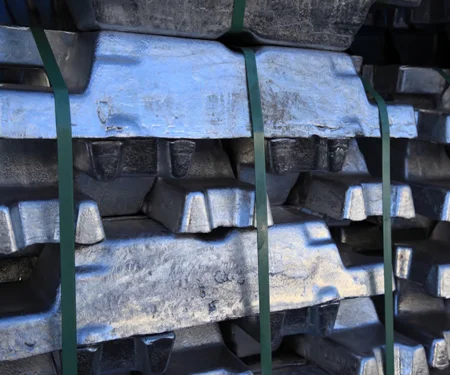
As reported by a source in metals logistics to Reuters, the most pressing issue right now is with aluminium billet, especially in Europe. Aluminium billet is a solid block of high-purity aluminium that's essential for creating high-performance parts.
Additionally, the source also stated that the supply conditions are likely to become even tighter in the upcoming weeks as Gulf producers in Europe gradually run low on their stocks.
Don’t miss out- Buyers are looking for your products on our B2B platform
The premium for aluminium extrusion billet in Rotterdam has increased by almost double the benchmark price, reaching USD 1,100 per tonne as of Friday, compared to the pre-war time, when it was at USD 530.
It is known that the aluminium price has reached the four-year peak of USD 3.672 per tonne on April 16, which surpassed the benchmark on the London Metal Exchange (LME) by 12 per cent, since the US and Israel struck Iran on February 28.
The European buyers are paying the physical premiums, which are much higher than the LME's primary aluminium price, which includes freight, taxes and handling, surging by 63 per cent, since the onset of the war, marking at USD 585 per tonne, currently. As of Monday, the premium for the months of May and June is at USD 625 per tonne.
Must read: Key industry individuals share their thoughts on the trending topics
Contributing further to the challenge, the Emirates Global Aluminium (EGA), on certain aluminium billets contracts with the European customers, declared force majeure after the Iranian attack in late March. The attack affected one of the firm's smelters in the UAE. However, no comments have been shared by the firm with Reuters on this.
Although the Middle East supply has coincided with a halt in deliveries from Kubikenborg Aluminium (Kubal), as noted by a source, Sweden’s only aluminium smelter, owned by Russia’s Rusal, has further tightened the near-term availability in Europe.
Check out the forecast of the global bauxite and alumina market till 2036, book the report “Global Bauxite & Alumina Market Forecast to 2036: Supply–Demand, Trade Flows & Price Outlook”
Irrespective of Kabul continuing its aluminium production, as its CEO, Mats Andersson, informed Reuters, it halted its deliveries on April 9. However, the CEO is currently under investigation in Sweden for a potential breach of sanctions related to Russia’s war in Ukraine, as mentioned earlier this month by a local prosecutor.
Andersson has chosen not to comment on the investigation or the reasons behind the halted deliveries. Kubal has an annual production capacity of 128,000 tonnes.
Trading aluminium across borders? Find out the exact cost you need to bear for the embedded carbon in the product by using this CBAM calculator.
_0_0.png)
Tiwai aluminium smelter faces union strike; negotiations continue to reach mediation
Next articleVedanta Aluminium denies Odisha’s unauthorised water extraction charges
Grow with
AL Circle