EU Critical Raw Materials Act, a positive step toward increasing European supply-side independence

The unveiling of a new Critical Raw Materials Act by European Commission President Ursula von der Leyen during the annual State of the Union Address was warmly received by European Aluminium. This trade group represents the aluminium value chain in Europe.
The Association requests urgent help from decision-makers in assuring a sustainable supply of European aluminium in light of the growing significance of speeding Europe's green transformation. Aluminium is a crucial element in green technology, including wind turbines and solar panels, as well as in defence equipment and essential consumer goods.
Given the significance of raw materials in implementing the EU Green Deal and providing critical applications for European residents, European Aluminium emphasises the need to increase Europe's strategic autonomy in this area. Aluminium has emerged as the preferred material for clean technologies due to its capacity to improve a product's energy efficiency and recyclability.
Aluminium applications include energy-efficient building systems, batteries, hydrogen and solar power, the transmission of electricity, and electric vehicles. According to a recent estimate, Europe's need for clean technologies will rise from 14 million tonnes in 2020 to 21 million tonnes in 2050. The primary growth drivers are electric cars, solar energy, and electricity networks.
“The Critical Raw Materials Act is a step in the right direction to support sustainable growth and strategic autonomy in raw materials. We appreciate that the Commission is taking a full value chain approach and will identify strategic projects along the supply chain, from extraction to refining, from processing to recycling. However, European raw materials that aren’t deemed ‘scarce’ or ‘rare’ shouldn’t be left behind. Policy makers should introduce measures for all raw materials industries to help increase their supply security, obtain greater investments and scale up recycling capacity to recover valuable secondary raw materials. We’re all experiencing the devastating consequences of our overdependence on Russian gas; let’s not make that disastrous mistake again with raw materials,” said Paul Voss, Director General of European Aluminium.
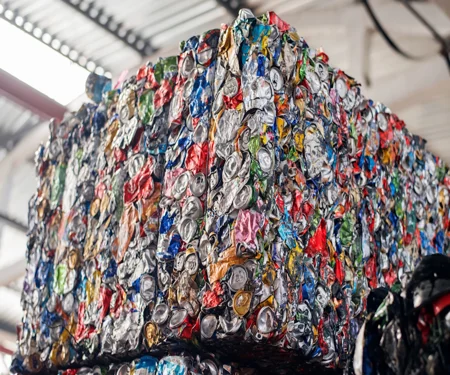
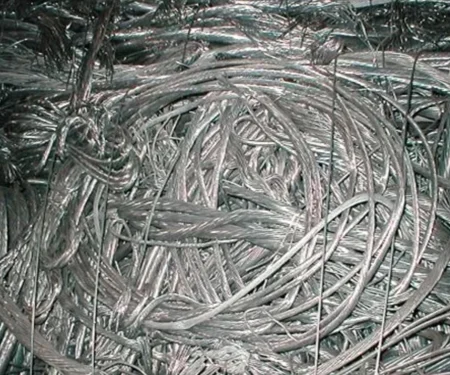
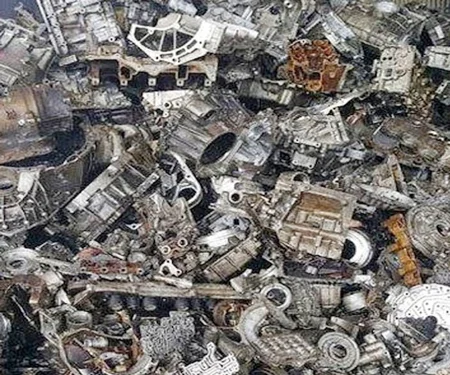
The metal is also extensively employed in military and defence applications, including communication systems, satellites, aircraft, and pharmaceutical packaging. The only option to fulfil rising demand and cease reliance on imports is to expand and maintain Europe's low-carbon primary aluminium production capacity and world-class recycling sector. Furthermore, governmental actions should encourage the use of scrap in Europe, a valuable secondary raw material, to lower the industry's energy consumption and assist it in achieving complete circularity.

“Aluminium truly is the base metal for the green transition and plays a unique role in Europe’s transformation to a more sustainable, digital economy. That’s why Europe must absolutely avoid dependence on aluminium imports from third countries and focus on fostering a secure and sustainable supply of European aluminium,” added Voss.
ALFED reveals NET ZERO Report with a broader vision of sustainability in the UK aluminium market
Next articleNALCO’s aluminium ingot price accumulates INR3100/t in five days
Grow with
AL Circle