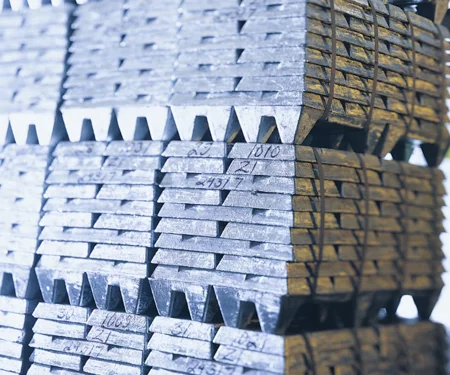
Estimated aluminium alloy import by UAE to jump 129% YoY in 2017

As the Middle East is readying to become a lucrative automotive
manufacturing hub, UAE’s aluminium alloy ingot import is rising on per year
basis. The country which is basically a net exporter of aluminium alloys has
been buying a lot of this value-added light metal product from the
international market over the last three years. In March this year, plan for a major new auto
hub in Abu Dhabi was unveiled at the Global Manufacturing and Industrialisation
Summit (GMIS). The ‘Rahayel City’ developed by ZonesCorp will accommodate automotive
manufacturers, parts providers, distributors, and dealers. Keeping in view the
rising demand of aluminium alloys from wheels and auto parts manufacturers, UAE’s
aluminium alloy import is expected to increase in the foreseeable future.
{newsStudioGallery}
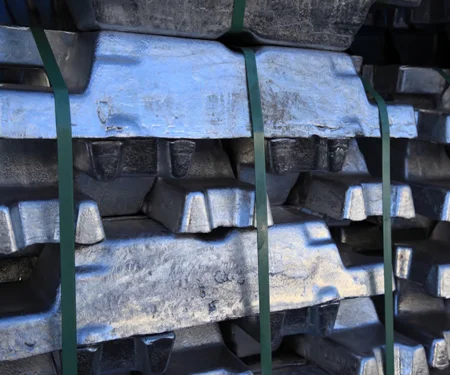
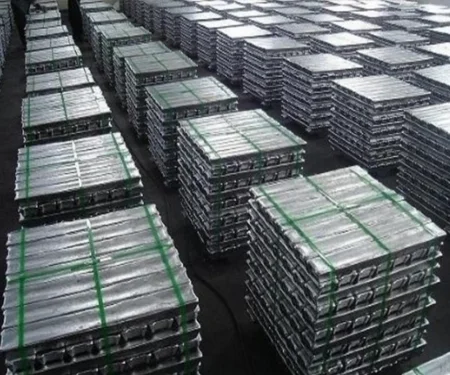
As per global export-import data, UAE imported 2793 tonnes of aluminium alloy ingot last year. The volume was higher by 4.1 per cent from 2015 import (2681 tonnes). In 2017, macroeconomic factors remaining unchanged, aluminium alloy import by UAE is estimated to surge by 129 per cent to 6142 tonnes.
The major countries from where UAE has been importing its
aluminium alloy ingots include Azerbaijan, Italy, Germany, USA, and India.
The use of automotive aluminium alloy continues to grow with the rising
need of lightweight vehicles in the world. The material is durable, energy-efficient,
recyclable (aluminium) and makes vehicles lighter and more aerodynamic while
enhancing their fuel-efficiency.
{googleAdsense}
Auto manufacturers and spare part companies are increasingly
looking to set up their manufacturing units in the Middle East market. According
to the global market research firm Frost & Sullivan, the demand for parts in
the MENA region will be worth US$16.9 billion by 2020. With the market
expanding at such a commendable rate, it is only very logical that aluminium
alloy import by UAE will rise alongside domestic production.
GF to acquire Romania's high pressure aluminium die casting specialist
Next articleMidhani to invest INR 1,400-cr in modernisation and expansion initiatives
Grow with
AL Circle