Decoding aluminium extrusion alloy: Why 6xxx grades lead industry choices
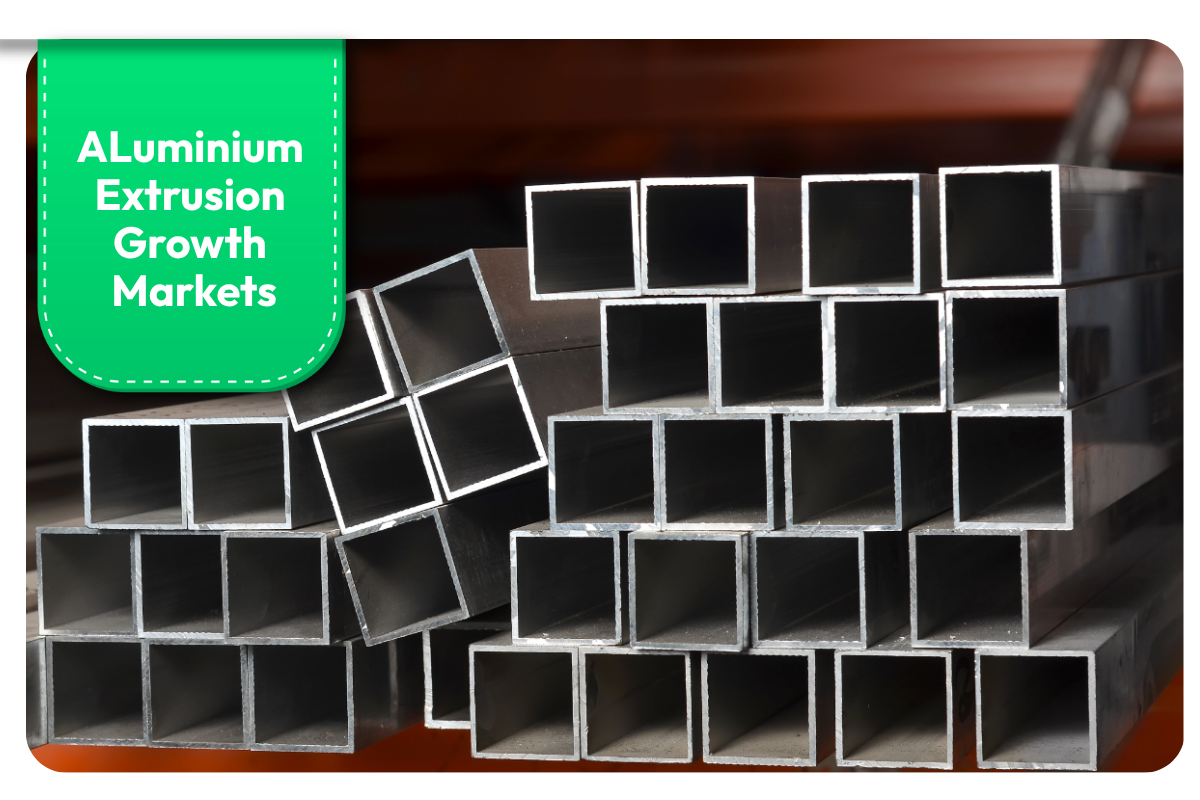
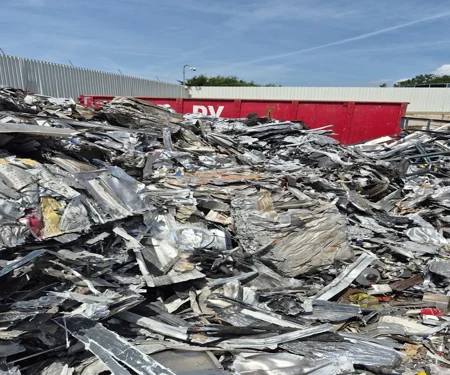
Stock image for referential purposes only
The choice of the right aluminium extrusion alloy can have a direct impact on profile strength, corrosion resistance, surface finish, manufacturability and project cost. Aluminium alloy series from 1xxx to 7xxx offer combinations of performance features, but the 6xxx series prevails as the preferred choice for extrusion, offering strength with extrudability and finishing potential.
Alloy selection starts with the application
Aluminium extrusion involves heating a billet and forcing the softened metal through a shaped die to produce profiles ranging from simple bars and channels to complex hollow sections. The alloy composition plays a major role in determining how the metal behaves during extrusion and what properties the finished profile delivers.
To know the global production, demand and consumption forecasts of aluminium extrusions, explore our report “The World of Aluminium Extrusions to 2035”
The seven major wrought aluminium alloy series differ according to their principal alloying elements. The 1xxx series is based largely on pure aluminium and offers high conductivity and corrosion resistance but relatively low strength. The 2xxx series uses copper and delivers higher strength but is more difficult to extrude. The 3xxx series and 5xxx series are good for formability and corrosion resistance. The 7xxx series is high strength but requires slower extrusion speeds.
The 6xxx series, mainly alloyed with magnesium and silicon, is recognised for its combination of extrudability, strength and finish options. Of the commonly used grades, 6063 and 6061 remain especially important for aluminium extrusion applications.
6063 or 6061? Strength is not the only thing to consider
6063 is often selected for projects where surface finish, corrosion resistance and ease of extrusion are important. Good extrudability. Suitable for architectural profiles and applications requiring complex shapes and high-quality anodised finishes.
6061 is stronger and more suitable for structural, machinery and automotive applications where mechanical performance becomes more important.
Other grades can bridge the gap between these two. 6005 and 6005A offer a balance of extrudability and structural strength, while 6082-T6 is positioned for higher-stress applications such as bridges and cranes. 7075-T6 sits at the high-strength end of the spectrum and is aimed primarily at aerospace and defence applications. However, its higher strength comes with poorer extrudability, lower corrosion resistance and higher cost.
Connect with verified aluminium extrusion buyers and suppliers through the AL Biz marketplace.
Relevance of temper designation
Alloy selection is only one part of specifying an extrusion. The temper designation determines how the material has been treated and consequently affects its strength, ductility and hardness.
T4 has moderate strength and good formability, used where more forming or bending is required. T5 has good strength and surface qualities and is often used in architectural extrusion. T6 offers improved strength and hardness and is used for structural and load-bearing applications.
Thus, deciding between alloy and temper is a project-specific decision, not necessarily finding the strongest grade available.
Extrudability can impact cost and lead time
The ability of an alloy to flow through an extrusion die has implications for production speed, profile complexity and manufacturing cost.
Easier to extrude grades include 1xxx, 3xxx and 6xxx alloys. More difficult to extrude are 5xxx alloys and stronger 6xxx alloys, such as 6082, says the source. The 2xxx and 7xxx series are much harder, and usually require slower extrusion speeds and higher pressures.
Application determines the right grade
The appropriate alloy ultimately depends on the balance of properties required by the end use.
- Automotive and transportation: 6063, 6005A, 6061 and 6082 can provide combinations of strength and lightweight performance.
- Building and construction: 6063 and 6060 are suited to applications where appearance, corrosion resistance and anodising are important.
- Aerospace and defence: 7075 and 2024 are aimed at applications where high strength-to-weight performance is critical.
- Consumer electronics: 6063 and 6060 are useful where thermal performance, appearance and complex heat-sink geometries matter.
- Solar and energy: 6005, 6063 and 6082 offer combinations of structural performance, weather resistance and extrusion versatility.
AL Circle is coming up with a new Magazine “ALuminium’s Frontline: OEM Edition 2026.” Feature your brand and opinion in the edition
Cost and recycling add another layer
The 6xxx series is also highlighted for its cost-performance balance. The final economics, however, depend on more than the alloy itself. Tooling complexity, temper requirements, surface finishing, production volumes, dimensional tolerances and machining requirements can all influence the cost of an extrusion.
Sustainability is another consideration. Aluminium can be recycled repeatedly while retaining its properties, and the source notes that recycling requires only a fraction of the energy needed to produce primary aluminium from ore. This makes recycled-content availability another factor that manufacturers can consider when selecting an alloy and extrusion partner.
There is no universal “best” aluminium extrusion alloy. 6063 remains a strong choice for general-purpose and architectural extrusion, 6061 and 6082 offer greater structural capability, while 7075 is reserved for applications where exceptional strength justifies the added manufacturing challenges. The right specification therefore has to balance performance, extrudability, finishing requirements, cost and end-use conditions.
AEC’s skill training aims to future-proof North American aluminium extrusion
Next articleGlobeflex Capital takes new stake in Kaiser Aluminum
Grow with
AL Circle