The aluminium industry stands at a turning point in its path to sustainability. With mounting regulatory pressures, bold corporate ambitions, and accelerating innovation in clean energy technologies, the industry is keenly engaged in decarbonising its footprint. The shift is not without difficulties, but it also holds tremendous opportunities to align with global climate ambitions.
This article discusses the most important factors influencing the decarbonisation roadmap based on the Global Aluminium Industry Outlook 2025.
The transition to renewable energy: The use of renewable energy is one of the most important measures to decrease carbon emissions in the aluminium industry. Renewables will provide 45 to 50 per cent of the world's power supply by 2030 and rise to 60 to 70 per cent by 2040.
This change needs a ninefold increase in renewable energy capacity installed between 2020 and 2050 and depends on numerous variables like:
- Technological advancements in energy storage to regulate supply variability.
- Sophisticated grid management systems to provide stability.
- Encouraging policies and regulations to enable investment in clean energy.
- Development of infrastructure to effectively incorporate renewables into industrial processes.
Industry captains and decarbonisation plans: Large aluminium producers have made ambitious emission-cut promises:
- Alcoa aims to cut Scope 1 and 2 emissions by 30 per cent by 2025 and 50 per cent by 2030 (baseline: 2015).
- Norsk Hydro is targeting a 30 per cent emissions reduction by 2030.
- Rio Tinto has committed to achieving net zero emissions by 2050.
- Vedanta Ltd plans to invest $5 billion over the next decade to cut emissions by 25 per cent by 2030, aiming for net neutrality by 2050.
- Hindalco aims at 30 per cent renewable energy by 2030 and is aiming for zero waste landfills, recycling 2.87 million tonnes of red mud.
- Novelis currently recycles 82 billion cans every year, which accounts for 61 per cent of its total output.
China's green energy drive: The world's largest aluminium producer, China, is aligning policy with its dual carbon targets to:
- Peak CO2 emissions by 2030.
- Become carbon neutral by 2060.
- Increase the application of green energy in aluminium smelting to decrease the dependency on coal-fired electricity.
Sustainability challenges and regulations
Bauxite mining and environmental issues: Bauxite mining, the initial process in aluminium manufacturing, has been increasingly put under the spotlight because of its environmental impact, such as deforestation, water pollution, and greenhouse gas emissions. Regulating policies are becoming more stringent across the world:
The European Union has established new stricter sustainability requirements for raw materials, impacting mining activities in Guinea and Brazil.
Governments globally are charging producers with greater environmental compliance costs, affecting global supply chains.
Aluminium smelting emissions: The refining of bauxite to alumina is energy-intensive and one of the sources of CO2 emissions. In order to limit this:
- Miners and refiners are increasingly using low-carbon smelting technologies.
- Carbon taxes and emissions trading regimes are changing cost structures in the industry.
- The EU's Carbon Border Adjustment Mechanism (CBAM) will affect trade by charging high-carbon imports.
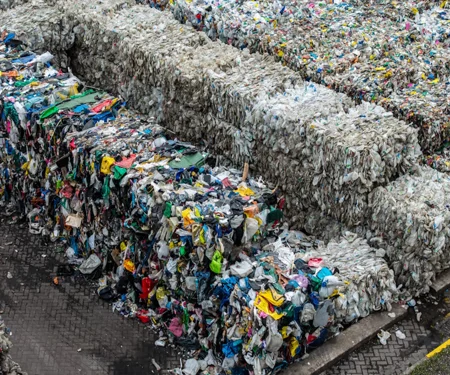
Blending secondary aluminium with primary operations: Primary producers of aluminium are increasingly acknowledging the economic and environmental advantages of producing secondary aluminium, resulting in higher investments in recycling and scrap integration.
By integrating aluminium scrap into their core casthouse processes, firms can lower carbon emissions and energy use by substantial amounts while serving the increasing need for sustainable material. This transformation not only aligns with decarbonisation across the world but also increases the efficiency of resources since recycled aluminium uses up to 95 per cent less energy compared to primary production.
As consumer demand and regulatory pressures drive the need for greener options, the sector's commitment to secondary aluminium will be central to creating a more circular and low-carbon future.
Aluminium recycling breakthroughs: Recycling is an important way to save carbon, and new technologies are on the horizon. One of the examples:
- Low Energy Recycling (LER), invented by Hydro and Nuvosil, is expected to minimise energy use by 90 per cent compared to conventional recycling.
- The LER screw extrusion process is being tried on new and aged aluminium scrap and holds great potential for CO2 savings.
Makers such as Novelis are pushing closed-loop recycling through recycling aluminium to manufacture products, with a major application in the automotive sector.
Increasing use of aluminium in the auto sector: The automotive industry is driving aluminium demand as there is a need to make cars light to ensure good fuel economy and lower emissions. Car makers are increasingly:
- Substituting aluminium for steel in car bodies.
- Using recycled aluminium to improve sustainability.
- Investment in low-carbon aluminium sourcing to address future regulatory and customer demands.
Enhanced emission control for aluminium recycling: Governments all over the globe are making tougher regulations for recycling aluminium to lessen environmental footprints:
- The Integrated Pollution Prevention and Control policies by the EU institute tough emission restrictions.
- Germany's new TA Luft regulation imposes higher standards for control of air pollutants.
- European remelters and refiners are using sophisticated air filtration systems to minimise the emissions of furans, dioxins, dust, acidic gases, and volatile organic compounds (VOCs).
The world aluminium industry is amid a revolutionary transition to decarbonisation, led by regulatory requirements, corporate pledges, and technological breakthroughs. Although there are major challenges ahead, including guaranteeing a secure renewable energy supply, coping with the costs of green transitions, and adhering to changing environmental laws, the way forward is evident.
Firms that are investing in cleaner technologies, sustainable mining, and circular economy solutions will be leading the way forward for the industry. As 2025 gets into full swing, the rate of change will only quicken, and aluminium will be a leading participant in the transformation towards a low-carbon world economy.












_md.webp)
_md.webp)
_md.webp)