“COVID-19” outbreak: IMF endorses $148 million emergency credit to Bauxite mining nation Guinea
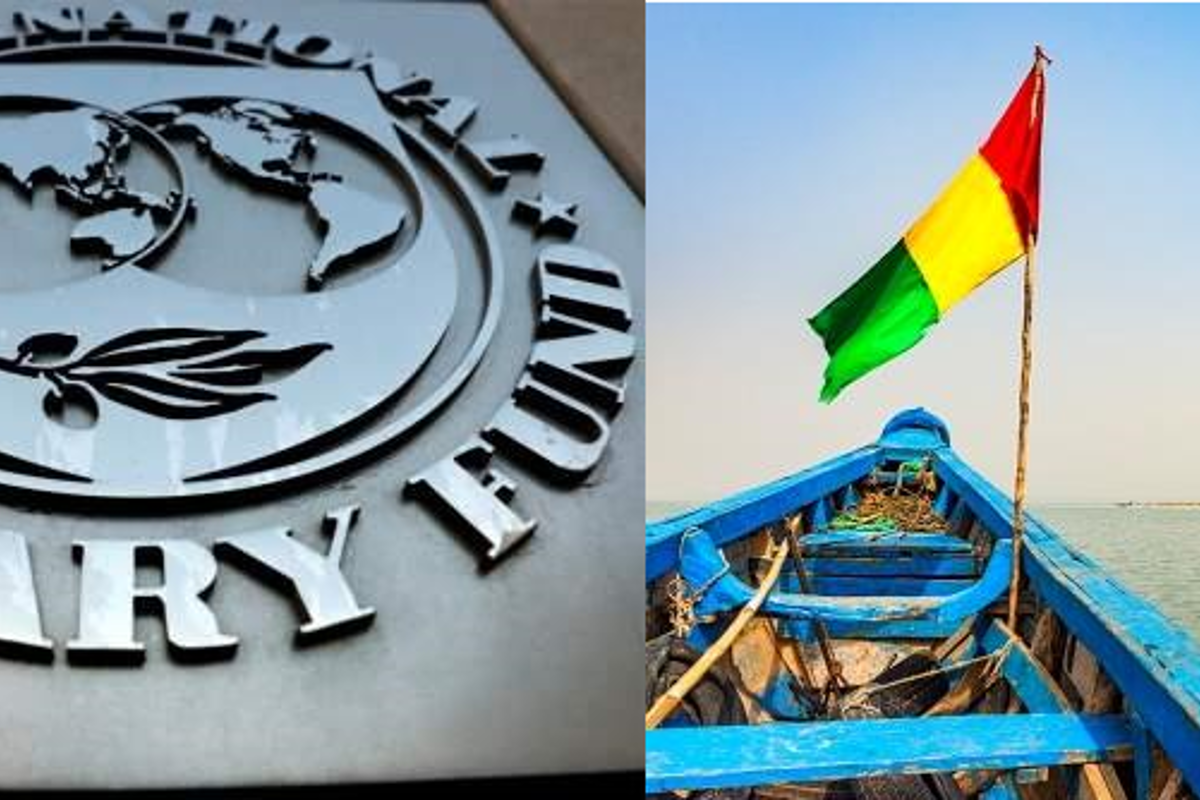
The International Monetary Fund (IMF) has endorsed $148 million in emergency credit to Guinea to strengthen its economy as the COVID-19 pandemic persistent to ransack the global economy. The fund would support to brace the economy after a hard-hit from the pandemic that is weakening the nation’s mining sector.
According to the IMF, “worsening global conditions and a rapidly spreading local outbreak have deteriorated Guinea’s short-term growth prospects and hindered mining exports and tax revenues.”
However, local transmission of the virus has brought about a reduction of mining activities, causing a stunt in economic growth. This latest IMF fund will help scale up productions and boost revenue generation for the West African country.
In 2017, the IMF approved the use of $650 million to Guinea. The fund was raised for non-concessional borrowing to finance improvements to infrastructure, higher education and water in Guinea. In effect, the 2017 fund was to help bring development in the country and also cushion the negative impacts that mining imposes on host communities.
Surveys exhibited that bauxite mining would have noteworthy impacts on the hydrology of the surrounding landscape unless it is well managed. Many residents have told the Human Rights Watch that this could have been responsible for reduced water levels and quality in the local rivers, streams and wells.
Water supply is under threat in Guinea’s mining communities as thousands of people do not enjoy sufficient clean water. Many residents in host communities depend on the daily delivery of water tankers by mining consortiums. It has equally caused a gradual loss of livelihood for some of its people.

The Republic of Guinea, situated in West Africa, has the largest bauxite reserves in the world and is the sixth global producer of the mineral. The country is home to over a third of the global reserves of bauxite, estimated at 40 billion tonnes.
Guinea’s Ministry of Mines and Geology had projected that the country’s bauxite production could reach up to 60 million tonnes by 2020, before the widespread of the virus, but the pandemic has caused a decline in economies, globally and Guinea is not spared.
“COVID-19” crisis: Indonesia presumes delay of multi-billion $ mining and refinery investments to 2021, comprise 7 bauxite projects
Next articleBauxite price in Shanxi up by RMB5/t; A00 aluminium ingot stands at RMB14010/t
Grow with
AL Circle