The Chinese aluminium market has been in deep thought since the Ministry of Finance announced the removal of export tax rebates for a wide range of products, including aluminium plates, sheets, strips and foils. The concern is clear, as exports of aluminium plate, sheet and strip make up 50 per cent or above of the country’s total aluminium semi-finished product exports.
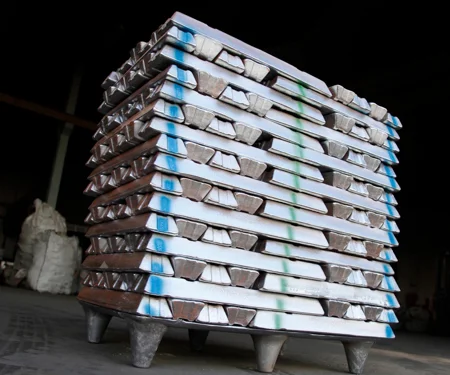
Image Source: The Wall Street Journal
According to the Shanghai Metals Market, China’s monthly aluminium semis exports in recent years have ranged between 400,000 and 600,000 tonnes, of which aluminium plate, sheet and strip exports account for 200,000 to 350,000 tonnes. Additionally, aluminium foil exports exceed 100,000 tonnes each month. Together, aluminium plates, sheets, strips, extrusions, and foils represent over 75 per cent of China’s monthly aluminium semis exports.
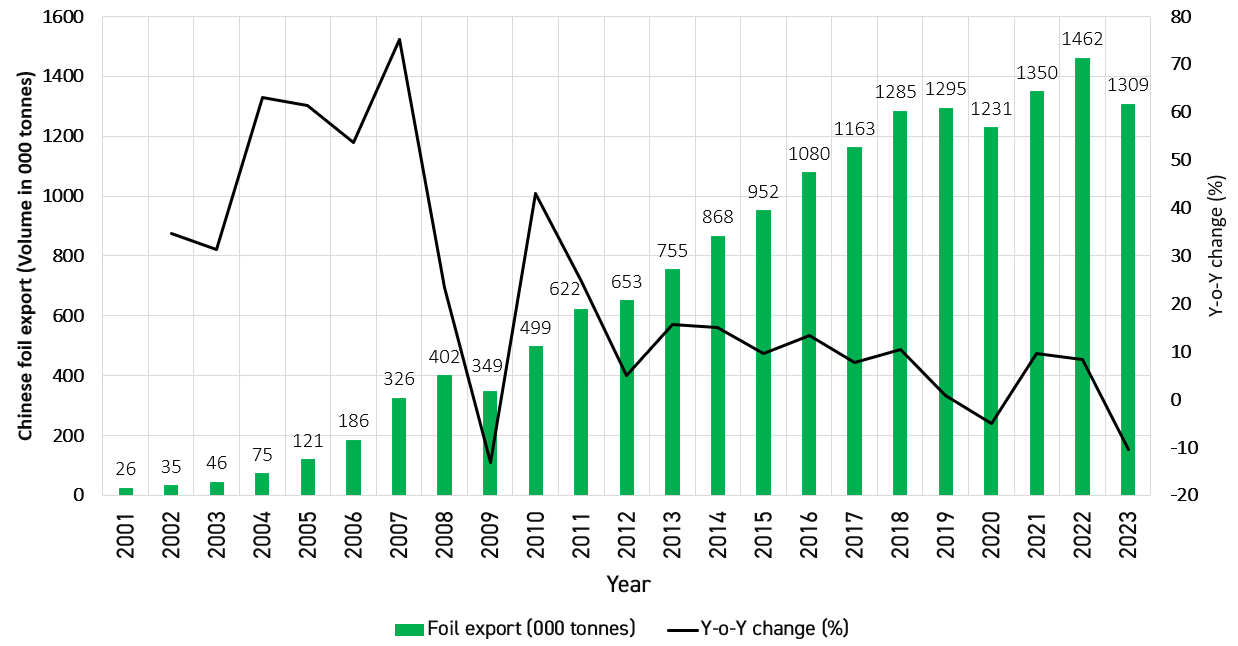
China is the epicentre of aluminium plate, sheet, strip and foil production and the world’s largest exporter of these products. According to AL Circle report, "Aluminium Foil and its End Uses: Current Trends & Forecast to 2030", China's aluminium foil export increased at a CAGR of 8.4 per cent until 2022, standing at 1.462 million tonnes, withstanding higher tariffs imposed on product exports by several countries or regions.
However, due to sluggish demand in 2023, the exports of aluminium plates, sheets and strips, as well as aluminium foils, saw a decline Y-o-Y, reaching 2.7729 million tonnes and 1.3092 million tonnes, respectively.
In general, the export volume of aluminium plates, sheets and strips is 20 to 30 per cent of China’s domestic production, while foil exports account for 29 to 33 per cent of the output, indicating a strong demand for these Chinese products in the overseas market. So, the concern is that any drastic changes in the policy are likely to have an inevitable impact on exports.
What the impacts will be?
To determine if export policy change will have positive or negative impact, it is essential to evaluate factors such as the current operational trend, processing fees, and demand from overseas markets. In recent times, China’s domestic demand for aluminium semi-finished products has been significantly low, which led to a drop in the operating rate of aluminium plate, sheet and strip to 60-70 per cent and decreased processing fees by about 50 per cent compared to two years ago. Domestic processing fees for aluminium plate, sheet, strip, and foil products have declined to as low as the cost line, leaving almost no profit margin.
Indeed, exports bring some foreign money to China, but the low processing fee causes selling prices to decrease in the overseas market. Moreover, weaker demand in the overseas market hinders the growth of processing fees. On the other hand, the chances of tariff imposition on Chinese products are very high once President-elect Donald Trump officially takes control of the White House. In these circumstances, China’s decision to remove export tax rebates seems wise and aligned with national interests to protect the high-quality domestic market.
SMM has reported that the foreign trade departments of aluminium plate, sheet, strip and foil enterprises have started adjusting inventories and negotiating prices in line with the new policy, effective from December 1.
Calculation shows that a 13 per cent tariff rebate cancellation will increase the average export cost per tonne by approximately $397-$471, considering the October 2024 average export prices of aluminium plate, sheet, strip and foil at $3,053-3,625 per tonne. The increased export cost far exceeds the profit margin of enterprises, necessitating an increase in processing fees.
The belief is that the increased processing fees will not significantly affect the export volume as overseas customers will be ready to bear the additional costs. In the long term, the cancellation of tax rebates will likely result in increased national profits, leading to the development of a high-quality aluminium plate, sheet, strip and foil industry.