China Sept alumina imports plunge 80% M-o-M as arbitrage shuts; exports dip on freight costs
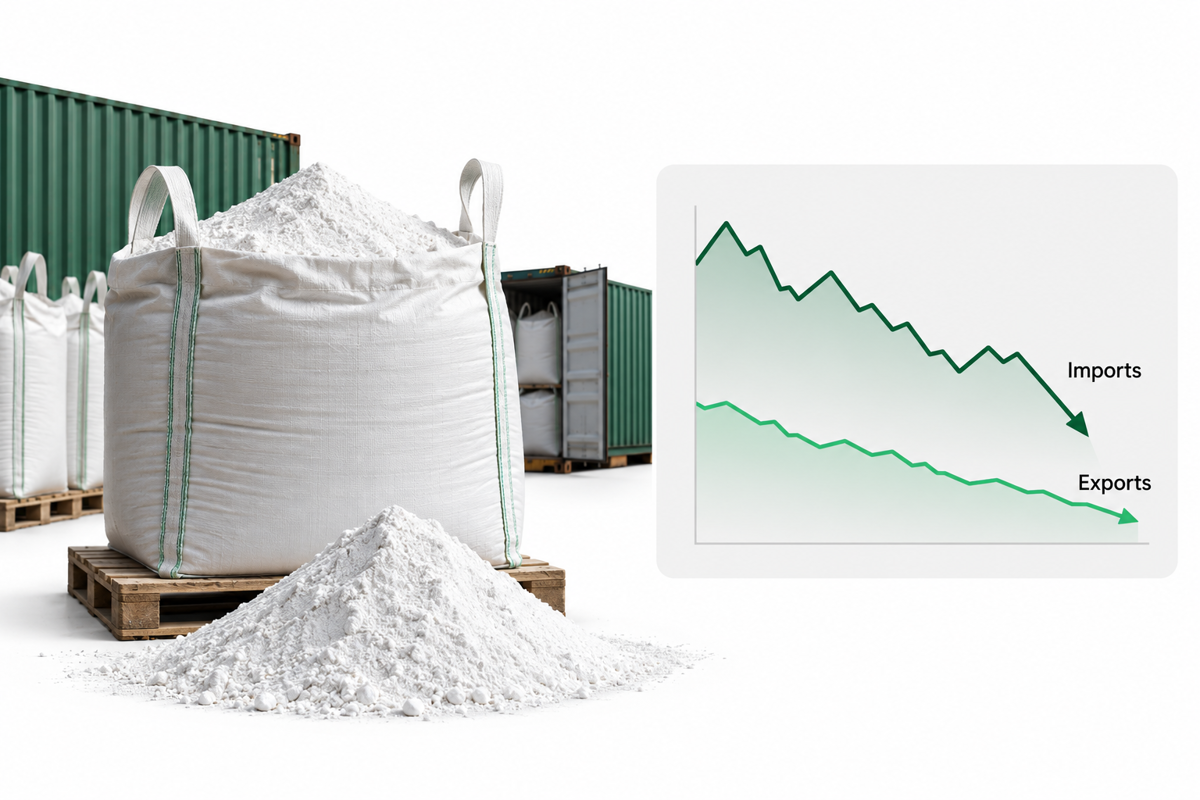
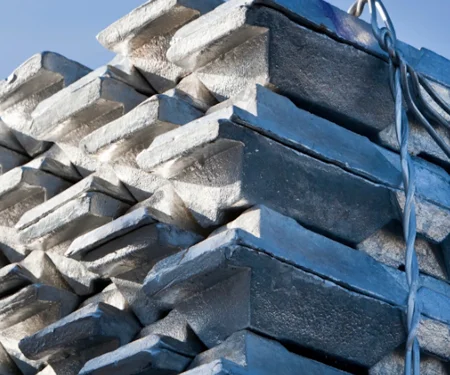
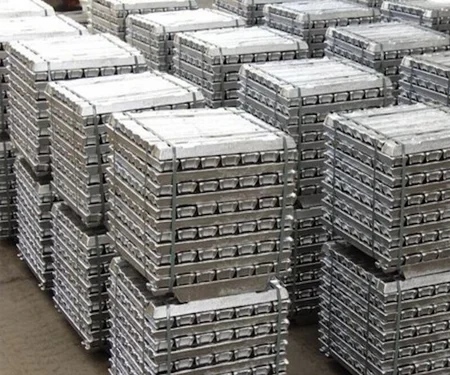
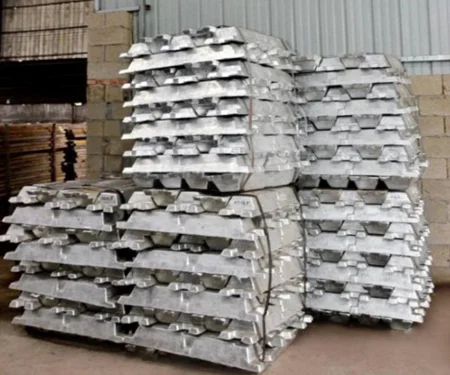
The image used in this article is generated with an AI tool and does not depict any real-time moment
According to data released by the General Administration of Customs of the People's Republic of China (GACC), China imported 69,800 tonnes of alumina in September 2026, down 80.04 per cent month on month and up 16.26 per cent year on year. September alumina exports stood at 237,800 tonnes, down 44.05 per cent month on month and down 3.50 per cent year on year.
The country recorded a net alumina export of 168,000 tonnes for the month, up 122.64 per cent month on month but down 9.85 per cent year on year. For January to September 2026, cumulative imports reached 3.06 million tonnes, up 458.365 per cent year on year, while exports totalled 2.58 million tonnes, up 28.85 per cent year on year. China was a net importer of 486,400 tonnes over the nine-month period, up 133.54 per cent year on year.
September imports collapsed to just 69,800 tonnes. By origin, inbound alumina was sourced mainly from Australia and France. The sharp pullback reflected two factors.
First, the import arbitrage remained deeply shut, with Western Australian FOB alumina holding at US USD 349 per tonne to US USD 354 per tonne, and import losses hovering around RMB 300 per tonne, keeping seaborne spot buying minimal amid a persistent internal-external price inversion.
Second, domestic alumina output stayed elevated, with traders' inventories building to roughly 6.95 million tonnes, leaving smelters well stocked on raw materials and with little fresh procurement need.
By destination, September alumina exports flowed mainly to Russia, Oman and the United States. The month-on-month drop in exports was driven by persistently higher ocean freight rates that widened export losses and curbed new trade-booking activity.
That said, the restart of Al Taweelah in the Middle East and Alunorte in Brazil at full capacity has narrowed the regional overseas deficit, while the baseline export flow to Russia driven by captive demand remained intact within normal ranges.
Note: This article has been shared by Mysteel and has been published by AL Circle with its original information without any modifications or edits to the core subject/data.
Grow with
AL Circle