China Hongqiao Group shares surged by 585% amid rising aluminium prices and growing demand
China Hongqiao Group, one of the world’s largest aluminium producers, has seen its market value rise significantly since 2019. The company’s shares have surged by about 585 per cent since Zhang took control of the business that year.
The company supplies aluminium to several major Chinese technology firms, including Huawei Technologies, Xiaomi, and BYD. Its performance reflects the broader strength in the aluminium market, as prices of the metal have risen more than 25 per cent over the past year, supported by increasing demand from energy-transition sectors such as electric vehicles, solar panels and wind turbines. Aluminium prices also reached a four-year high on March 9, 2026, highlighting tightening market conditions.
For the global aluminium value-chain 2026 outlook, book our exclusive report “Global ALuminium Industry Outlook 2026"
Also, the geopolitical disruptions in the Middle East are another factor affecting supply. Regional smelters account for roughly 9 per cent of global aluminium production, and disturbances in the Strait of Hormuz have constrained the transport of metal. Reduced supply from the region may increase the role of Chinese producers in meeting global demand.
Chinese producers have faced supply constraints on bauxite due to political instability in Guinea and restrictions in Indonesia. Besides, Indonesia also promoted domestic trading and production, reducing global exports. Hongqiao began developing bauxite mining operations in Guinea around 2014, securing upstream raw material sources.
The company has built an integrated production system that includes power plants in China, bauxite mines in Guinea, and alumina refining facilities in Indonesia. This arrangement helps keep production expenses manageable. In 2024, global primary aluminium output was roughly 73 million tonnes, and Hongqiao's production capabilities give it a significant say in supply dynamics and market perceptions.
Don't miss out- Buyers are looking for your products on our B2B platform
Under Zhang's leadership, the company moved its smelting operations to Yunnan, taking advantage of hydropower to cut energy costs. The firm also ramped up production of the higher-volume aluminium used in electric vehicles, responding to a dip in demand from traditional industries.
Even so, the company is still vulnerable to shifts in aluminium prices. Sluggish economic growth, along with rising trade and geopolitical tensions, could dampen global demand for the metal.

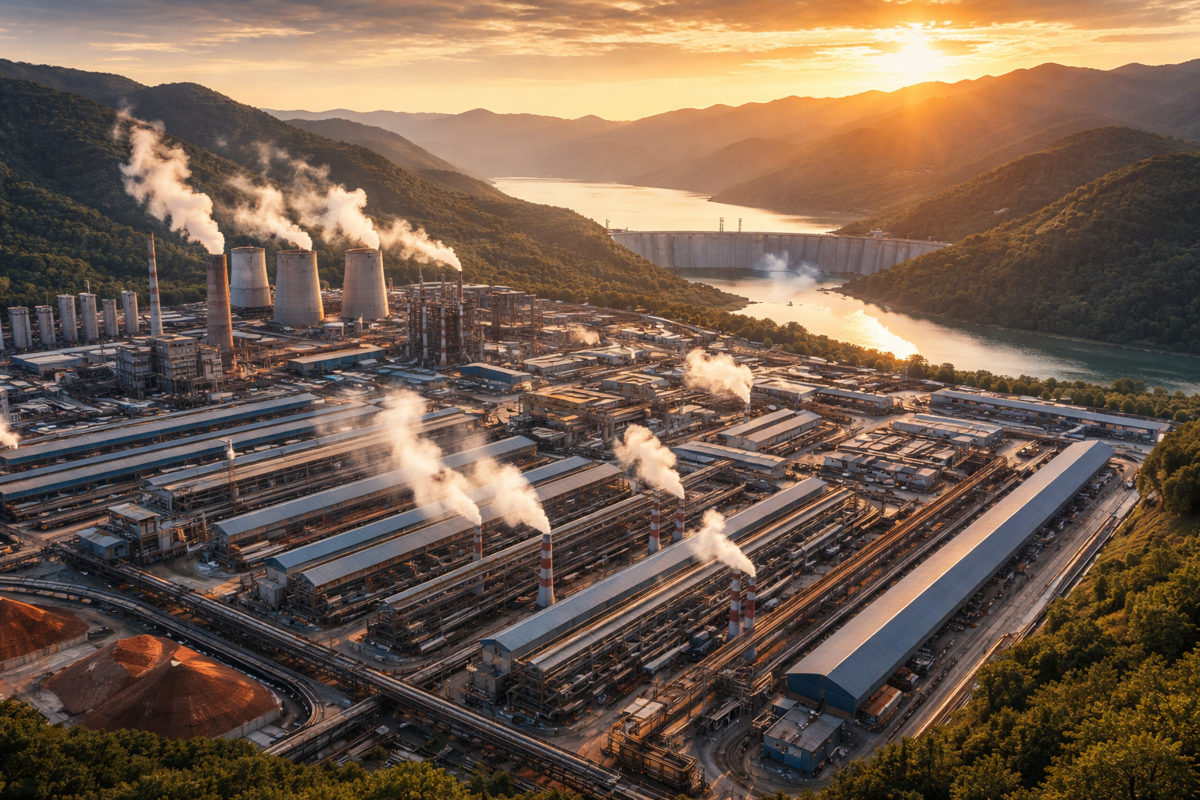
Note: The image used in this article is generated with an AI tool and does not depict any real-time moment
LME aluminium price stays above $3,400/t despite a slight dip from the last close as inventories undergo a major shift
Next articleMiddle East conflict: Barring India’s crude oil import, fuelling food crisis and aluminium shortage?
Grow with
AL Circle