Middle East geopolitical risks ease significantly; aluminium prices expected to hover at highs in the short term
Futures: The most-traded SHFE aluminium 2604 contract closed at RMB 24,850, still well above long-term moving averages such as MA30 (24,251.09) and MA60 (23,585.42), indicating that the medium- and long-term uptrend has not yet reversed. However, in the MACD indicator, although the DIF line (266.31) was above the DEA line (158.48), vigilance is needed for a potential bearish divergence signal if the momentum of the red histogram subsequently contracts. In terms of trading volume, 190,306 lots were traded that day, significantly higher than the average volumes of MA5 and MA10; the decline was accompanied by higher volume, indicating that short-term bearish momentum was being released.
The suggested core trading range for SHFE aluminium is 24,500-25,100. LME aluminium closed at USD3,388, still above a bullishly aligned moving-average system (MA5: 3,344.4 > MA10: 3,247.5), but the closing price was already slightly below MA5, indicating that the short-term upward momentum met resistance. Its MACD indicator was also in a strong zone above the zero axis, but attention should be paid to whether the DIF line can obtain effective support above the DEA line. The suggested core trading range for LME aluminium is 3,350-3,420.
Macro front: US President Trump said the US war with Iran could end soon. Trump said the war was basically over, almost. (Bearish★) With Chinese New Year holiday factors combined with a recovery in consumption demand, China’s February CPI rose 1.3 per cent Y-o-Y, the highest in nearly three years, while core CPI excluding food and energy prices rose 1.8 per cent Y-o-Y. Driven by factors including rising international commodity prices, rapid demand growth in some domestic industries, and the continued effectiveness of macro policies, the national PPI fell 0.9 per cent Y-o-Y, with the decline narrowing for three consecutive months. (Bullish★)
Fundamentals: Supply side, newly commissioned aluminium projects in China, Indonesia, and Angola continued to ramp up production, but escalating geopolitical conflict in the Middle East may have already affected production or shipments at some aluminium smelters, and daily average production is expected to decrease. Demand side, after the holiday, as downstream players gradually resumed work, demand recovered, and the proportion of liquid aluminium rebounded significantly; the weekly proportion of liquid aluminium rebounded by about 8 percentage points w-o-w.
Downstream weekly operating rates rose further, including: in March, power grid order deliveries were expected clearly, and aluminium wire and cable demand recovered well; demand for products such as can stock, autos, and battery continued to recover, driving a recovery in demand across related segments; construction demand recovered relatively slowly; starting April 1, export tax rebates for PV products will be canceled, and the PV industry’s relatively high operating rate is expected to continue through month-end March. Inventory side, inventory increased by 15,000 tonne this Monday w-o-w Thursday; demand was still in the recovery stage, casting ingot output in March is expected to remain high, and together with volumes not yet warehoused and some finished product inventories at aluminium smelters not yet shipped to social warehouses, the domestic aluminium ingot social inventory buildup trend is expected to continue in the short term, with the post-holiday peak still expected to reach 1.35-1.4 million tonne.
Primary aluminium market: In early trading, SHFE aluminium 2602 rose and then fell, with the price centre significantly higher than the previous trading day. Yesterday, amid heightened futures fluctuations, the market saw strong wait-and-see sentiment and weaker buying sentiment. Mainstream quotations and transaction prices yesterday were concentrated at a discount of RMB 20 per tonne to the average price. Yesterday, the shipments sentiment index in east China was 3.22, up 0.11 M-o-M; the purchasing sentiment index was 2.49, down 0.27 M-o-M. As aluminium prices rebounded sharply, trading activity in central China was weak. Traders and downstream processing enterprises were mostly in a wait-and-see mode, with relatively sluggish buying sentiment, and suppliers showed weak willingness to hold prices firm, tending to ship appropriately on price strength. As a result, overall transaction prices in central China were concentrated from parity with the central China price to a discount of RMB 30 per tonne to the central China price, and the continued downward trend was not significant. Yesterday, the shipments sentiment index in central China was 2.7, up 0.04 M-o-M; the purchasing sentiment index was 2.4, down 0.01 M-o-M.
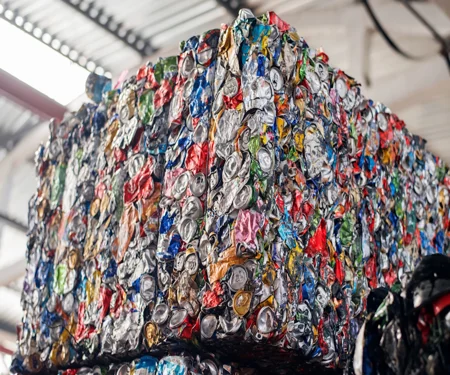
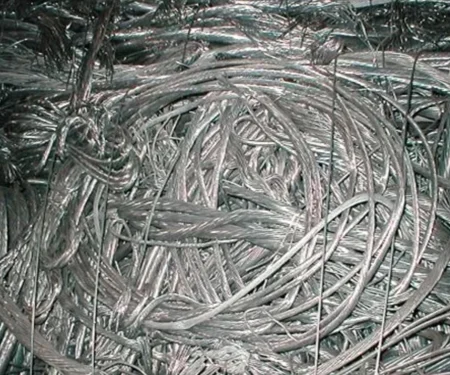
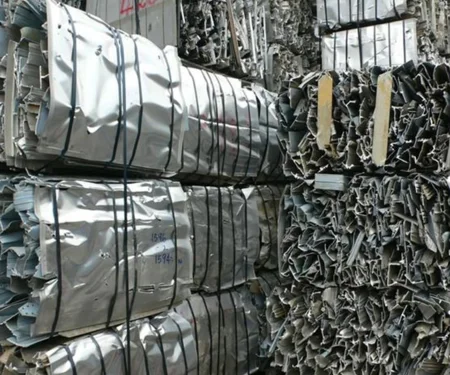
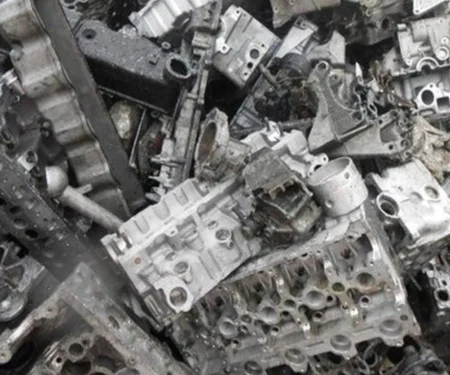
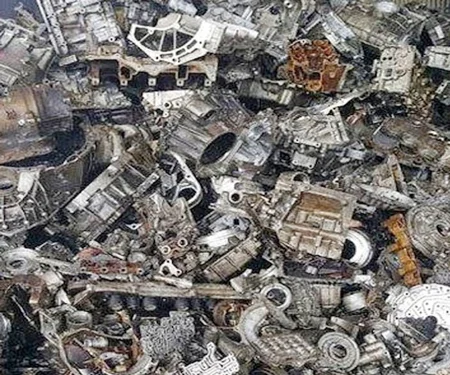
Aluminium scrap: Geopolitical tailwinds continued to fluctuate, driving spot aluminium to rise sharply by RMB 750 per tonne w-o-w yesterday versus the previous trading day, and the aluminium scrap market followed suit with broad gains. In terms of the price difference between A00 aluminium and aluminium scrap, on March 9, the price difference between A00 aluminium and mixed aluminium extrusion scrap free of paint in Foshan was RMB 3,748 per tonne, and the price difference between A00 aluminium and shredded aluminium tensile scrap was RMB 2,834 per tonne.
Against the backdrop of surging aluminium prices, price-adjustment sentiment varied across regions: east China followed the rise quickly, with a single-day increase of RMB 400-600 per tonne, while central China and south China adjusted prices by RMB 300-400 per tonne on the day. After the holiday, domestic aluminium scrap yards and downstream scrap utilisation enterprises had basically fully resumed normal production pace, but end-use demand recovered slowly, and actual restocking of raw materials fell short of expectations.
The aluminium scrap market was expected to hold up well at highs this week, with the mainstream range for shredded aluminium tensile scrap (priced based on aluminium content) operating around RMB 20,700-21,300 per tonne (tax excluded). After the holiday, production order gradually recovered and the release of supply became looser, but downstream processing enterprises saw slow order recovery. Overall trading was expected to remain sluggish, and the supply-demand tug-of-war between sellers and buyers was set to intensify in the short term. Close attention should be paid to the impact of the US-Iran conflict on primary aluminium supply and transportation, downstream resumption progress, and changes in recycling policies, and vigilance is needed for heightened price fluctuation risks
Secondary aluminium alloy: In futures, the aluminium alloy 2604 contract surged quickly in early trading to an intraday high of RMB 24,420 per tonne, up more than 5 per cent, then fluctuated at highs and pulled back; it plunged sharply in the afternoon, dipping to an intraday low of RMB 23,095 per tonne, and rebounded slightly into the close. It finally settled at RMB 23,670 per tonne, up RMB 390 per tonne from the previous close, a gain of 1.68 per cent; trading volume was 17,439, and open interest fell by 174 to 5,853. Yesterday, the SMM ADC12 price rose by RMB 500 per tonne, with the market quotation centre moving up notably, and most producers’ price adjustments were concentrated in the RMB 500-600 per tonne range. Recently, raw material prices continued to strengthen, and the cost side rose rapidly, significantly lifting enterprise quotations. However, downstream demand remained relatively steady.
Most enterprises reported that orders and inquiries were generally average overall, and downstream procurement was still mainly restocking on an as-needed basis. Supported by cost push and market expectations, enterprises showed a clear willingness to raise prices. In the short term, against the backdrop of cost support and mild supply release, ADC12 prices are expected to hold up well in a rangebound pattern. The medium-term trend will still depend on the recovery in end-use consumption. If die-casting industry orders increase significantly, the price centre is expected to move further higher; if demand recovery falls short of expectations, coupled with a continued rise in operating rates on the supply side, prices will shift from elevated levels into rangebound consolidation.
Aluminium market summary: Macro front, the risk of Middle East geopolitical conflict that previously boosted market sentiment cooled markedly following Trump’s statement that “the war is about to end.” This portion of the risk premium will face a pullback, putting some pressure on aluminium prices in the short term. Meanwhile, China’s February CPI hit a nearly three-year high, and the Y-o-Y decline in PPI narrowed for consecutive months, indicating a mild recovery in domestic demand and a rebound in industrial prosperity, providing solid macro support for demand for base metals such as aluminium.
Demand side showed an accelerated post-holiday recovery: the proportion of liquid aluminium rebounded sharply, downstream operating rates rose further, and demand in the power grid, can stock, automotive, battery and other sectors recovered well; PV installation rush demand also provided short-term support. However, inventory still remained under pressure. Inventory continued to rise this week, and March casting ingot output stayed at high levels. The inventory buildup trend is expected to continue, with the post-holiday peak reaching 1.35-1.4 million tonnes, constraining upside room for prices. Overall, from a macro perspective, easing geopolitical risks and continued inventory buildup in domestic social inventory created bearish pressure on aluminium prices. However, the Middle East geopolitical situation remains unclear; if the conflict persists, expectations for global aluminium supply tightness will remain strong, and aluminium prices will still have strong upward momentum. In the short term, aluminium prices are still expected to hold up well.
Note: This article has been issued by SMM and has been published by AL Circle with its original information without any modifications or edits to the core subject/data.

LME aluminium offer price rose 2.62% to $3,384.5/t, continuing its upward trend amid disruptions in the Strait of Hormuz
Next articleLME aluminium surpasses $3,400/t while Trump’s pledge to resolve conflict softens future contracts
Grow with
AL Circle