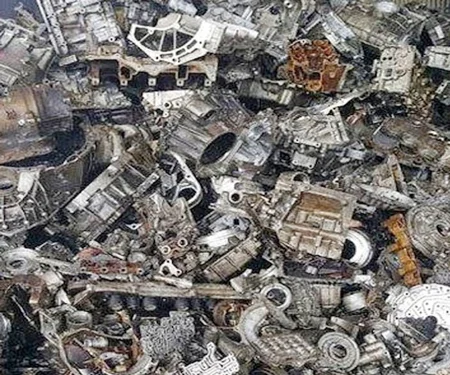
Brunel University collaborates with Constellium to develop high-strength aluminium alloys from recycled metals

Researchers at the Brunel Centre for Advanced Solidification Technology (BCAST) at Brunel University are working in collaboration with Netherlands-based aluminium products manufacturer Constellium to produce high-strength aluminium alloys from completely recycled metals. This strategic research partnership was established in a bid to reach a full circle aluminium use and recycling system.
Aluminium is theoretically infinitely recyclable, with its recycling consuming just five per cent of the energy needed to produce the metal in the first place. Over one billion tonnes of aluminium has been produced since 1908, of which over 75 per cent are still in use.
According to Prof Zhongyun Fan, project leader and director of BCAST, they would work together to develop high performance aluminium alloys, and test their applications in lightweight vehicle construction.
Demand for aluminium products is increasing in transport sector due to low density, lightweight, high strength, and high corrosion resistance and resulting fuel saving potentials. However, the process of mining and producing aluminium is extremely energy-intensive.
“But if you use recycled aluminium, from day one you are reducing carbon dioxide emissions,” Prof Fan said.

The STEP (Strain Enhanced Precipitation) project will develop a new generation of alloys with ultra-high strength. This, according to Prof, will offer double the strength of conventional aluminium alloys along with good ductility, high crashworthiness and high thermal conductivity.
The researchers will use a combination of production techniques, including deformation, and a reduction in the crystal size of the alloys in order to boost strength. The researchers also plan to develop a new casting process. The MC-DC casting process will produces aluminium raw material with much higher quality.
New reforms in UK may double aluminium recycling, says Green Alliance
Next articleMatalco’s US$80 million aluminium recycling plant in Wisconsin expects to have a ground breaking in June
Grow with
AL Circle