British Columbia funds testing of aluminium-coated lightning suppression technology for wildfire prevention
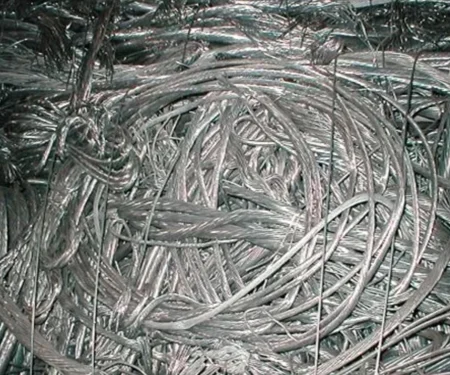
Stock image for referential purposes only
British Columbia will invest up to CAD 1 million (more than USD 727,000) to support field testing of wildfire prevention technology using aluminium nanoparticle-based materials developed by Vancouver-based Skyward Wildfire Technologies.
The company is developing a system aimed at predicting and reducing lightning strikes that could spark wildfires. According to Skyward, the technology disperses a “lightning reduction material” into storm systems in regions facing a high risk of wildfire ignition.
To know the long-term bauxite market forecast, book our report: “Global Bauxite & Alumina Market Forecast to 2036: Supply–Demand, Trade Flows & Price Outlook”
The material is made from silica or basalt fibre coated with aluminium nanoparticles. Skyward said the particles help redistribute electrical charges within storm clouds, reducing the conditions that can lead to cloud-to-ground lightning strikes.
Funding for the project is being provided through Innovate BC, according to the British Columbia Ministry of Jobs and Economic Growth.
In addition to the lightning reduction system, Skyward uses artificial intelligence-based forecasting tools to identify areas at increased risk of lightning-caused wildfires, allowing more targeted deployment of the technology.
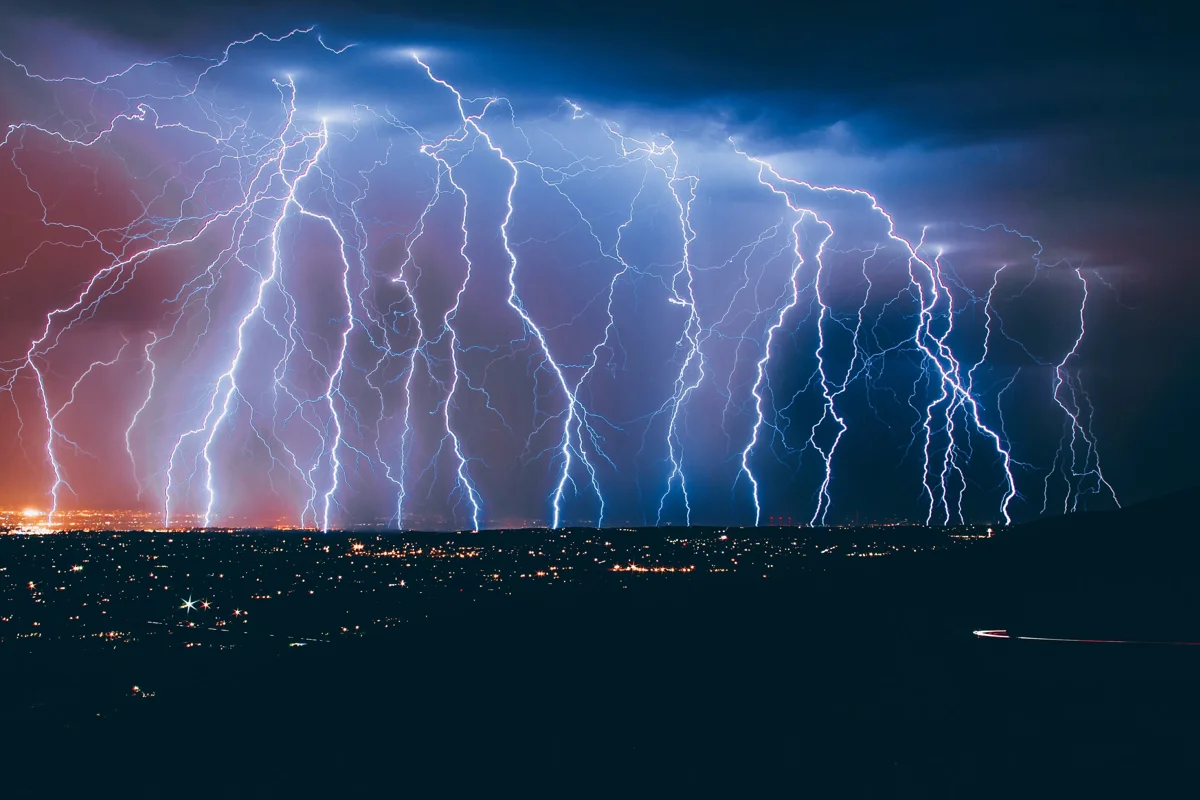
Lightning continues to be one of the leading causes of wildfires in British Columbia. Provincial data showed that nearly 70 per cent of wildfires recorded in 2024 were triggered by lightning, accounting for 97 per cent of the total area burned during the year.
The field trials will assess whether the technology can meet wildfire prevention standards in British Columbia and support possible deployment in other parts of Canada.
Don't miss out- Buyers are looking for your products on our B2B platform
Skyward Wildfire Technologies said research into lightning suppression dates back to the 1960s, but advances in forecasting systems and deployment methods are now enabling more precise and practical applications.
The company added that its lightning-reduction material is non-toxic and environmentally safer compared with large-scale fire retardants or the emissions generated by wildfire smoke.

Diet Coke returns to Indian shelves in glass bottles amid aluminium can shortage
Next articleJapan’s primary aluminium imports rise 6.6% in March 2026 as auto demand recovers
Grow with
AL Circle