Analysts believe effective recycling of aluminium can tackle influx of import to the U.S.

Economists in the US are deliberating on how Trump’s tariffs on imported steel and aluminium are expected to increase prices of aluminium and aluminium products including the finished products by end users. They see the possibility of a trade war between the US and its closest allies with the implementation of retaliatory tariffs by Canada, Japan, Mexico and other countries. They are of the view that the U.S. can slash imports of these metals by boosting the reuse and recycling of old metal products.
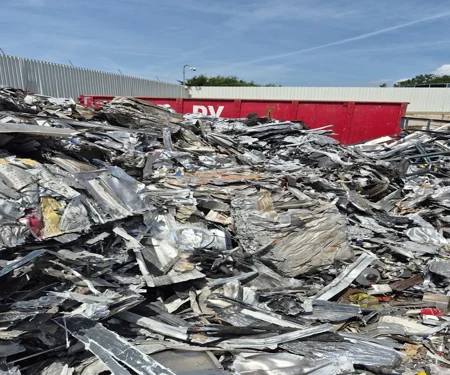
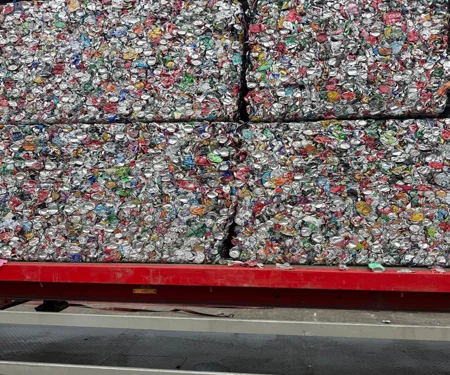
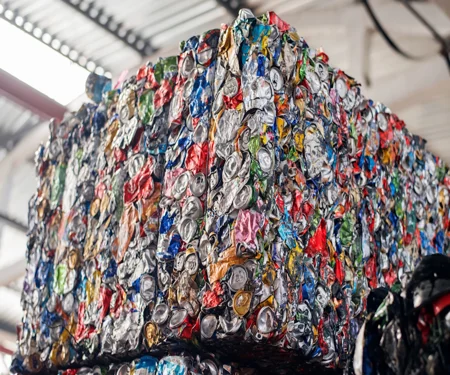
The U.S. makes most of its steel and aluminium by recycling scrap metal from manufacturers and from discarded products such as demolished buildings, old cars and thrown away cans. The country has cut down its primary capacities to about 25% in last few years, unable to bear the cost pressure, unprofitability and influx of import.
The 4.4 tonnes of primary and secondary aluminium the U.S. produced in 2017 could be turned into a stack of soda cans tall enough to reach Mars. About 83% of that (3.6 million tonne) was recovered from recycled aluminium.
Analysts believe much more of America’s scrap metal could be recycled domestically. Researchers estimate that about 40 and 65 per cent of aluminium products are collected for recycling while the rest ends up in landfills. The U.S. also exports much of the scrap metal that is collected. China, which is the largest importer of US scraps, has imposed 20% import duties on US scrap to retaliate against Trump’s tariffs.
In 2017, the U.S. exported 1.6 million tonnes of aluminium scrap, and imported 700,000 tonnes, running a 900,000 tonnes trade surplus. In 2017, the U.S. exported 1.3 million metric tons of new aluminium, and imported 6.2 metric tons – a nearly 5 million tonnes trade deficit. The Trump administration considered the influx of import as a threat to American jobs and national security. These imports can only be entirely be displaced only if America takes stricter scrap collection and segregation rules and steps up new facilities for recycling of scrap metal.

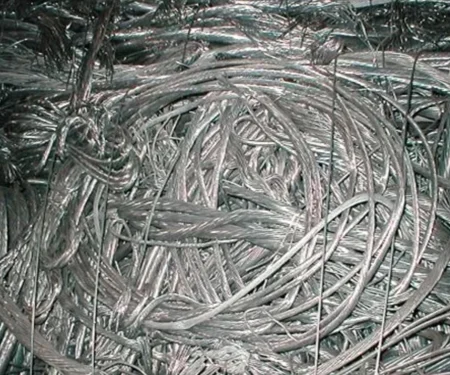
Providing replacements for old cars building scraps by reusing and recycling steel and aluminium is much more environmentally friendly than making metal from ore. Recycling also has a much-smaller carbon footprint. Recycling has its own challenges. Having a mix of metals in the furnace can lower the recycled metal’s quality. Different metals should be segregated before adding to the melting furnaces. Removing the copper wiring found in car electronics from shredded steel scrap or taking the steel rivets out of aluminium car panels are tougher challenges and needs manual sorting.
Economists believe increased federal support for metal recycling including R&D on better scrap metal segregation and refining and low-interest loans or tax breaks for recyclers investing in the latest sorting and refining technology. This would cost Americans far less than the potential consequences of the import tariffs while cutting down import and reducing pollution.
Aluminium recycler and secondary alloy producer Century Metal Recycling files for IPO
Next articleISRI advocacy delivers for recyclers in latest tariff measures
Grow with
AL Circle