Aluminum Association calls for comprehensive strategy to strengthen US aluminium supply chain
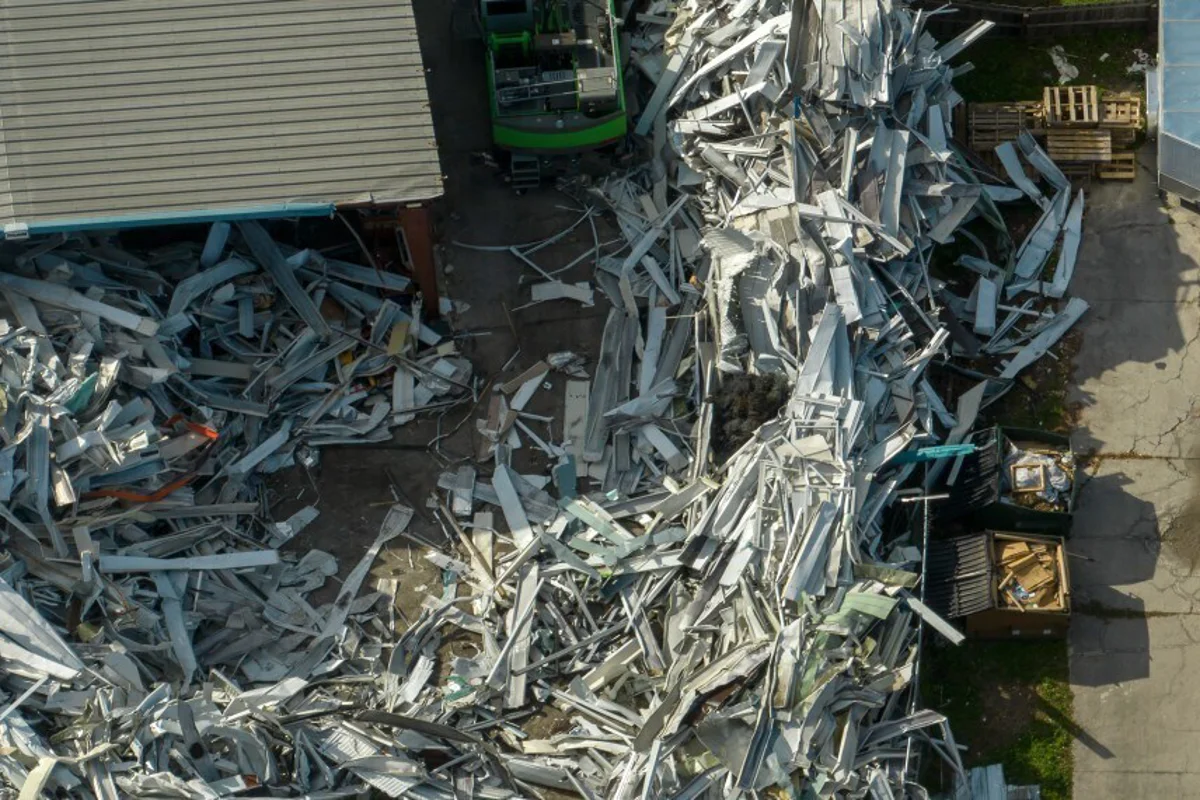
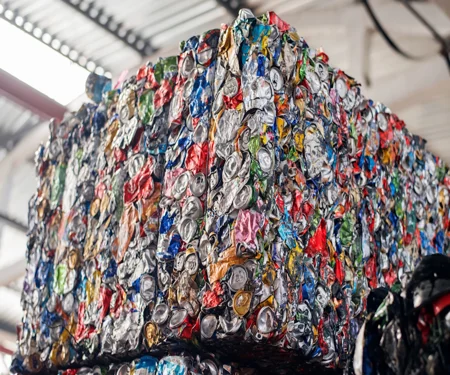
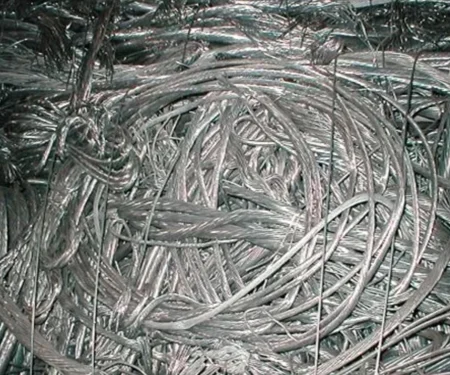
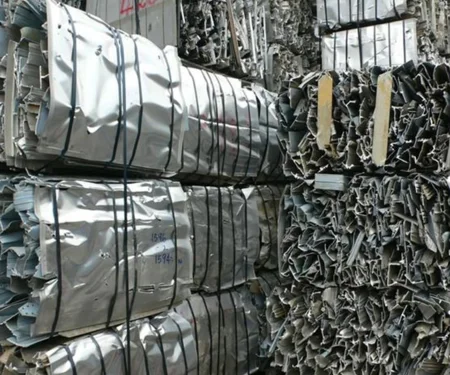
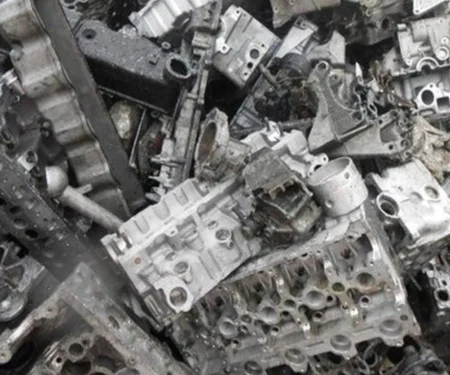
Stock image for referential purposes only
The Aluminum Association has urged US policymakers to adopt an "all-of-the-above" strategy to strengthen the country's aluminium supply chain, arguing that expanding both primary and secondary aluminium production is essential to meeting rising demand across transportation, packaging, defence, energy and advanced manufacturing.
According to the association, discussions often present primary and secondary aluminium as competing options, whereas both are complementary and necessary for a resilient domestic industry. Charles Johnson, President and CEO of the Aluminum Association, said growing production of both materials will be critical if the United States aims to strengthen its manufacturing base.
The association noted that aluminium is one of the few materials designated as a critical mineral by all US federal agencies because of its importance to national security and the economy. It explained that primary aluminium, produced from bauxite-derived alumina through energy-intensive smelting, is essential for sectors including defence, aerospace and power infrastructure. Secondary aluminium, produced mainly from recycled scrap with primary metal added where required, supports industries such as automotive, construction and packaging while using around 95 per cent less energy than primary production.
The association highlighted that domestic primary aluminium production has fallen by around 80 per cent since its peak in the 1980s, leaving the United States able to produce less than 20 per cent of the primary aluminium needed to meet current demand. It said new smelter projects and restart initiatives, including developments under consideration in Oklahoma, are important for rebuilding domestic production capacity. At present, most imported primary aluminium comes from Canada, where renewable hydropower supports low-carbon production that supplies the US midstream and downstream manufacturing sector.
While primary production has declined, recycling and secondary aluminium production have expanded significantly. The association said aluminium scrap collection has more than doubled since the 1980s, with 85 per cent of US aluminium production now coming from secondary sources. It added that the industry has invested more than USD 11 billion in US manufacturing, recycling and downstream operations over the past decade, helping maintain overall employment despite declines in the primary sector.
Johnson said policymakers should focus on ensuring adequate supplies of both primary and recycled aluminium rather than choosing between the two, adding that stronger domestic production would reduce dependence on unfairly traded imports while supporting growing manufacturing demand.
Explore: The most comprehensive and forward-looking industry-focused report – World Recycled ALuminium Market Analysis Industry forecast to 2032
The association expects global aluminium demand to increase by around 80 per cent by 2050, driven by manufacturing growth, expansion of electricity transmission infrastructure, renewable energy projects and new data centres. It noted that aluminium supply chains differ from steel because they rely on an integrated North American production network combining domestic manufacturing, recycling and regional trade.
To strengthen secondary aluminium production, the Aluminum Association proposed measures including export controls on aluminium scrap such as used beverage cans in markets where domestic remelting capacity exceeds available supply. It noted that recycling rates for used beverage cans remain below 50 per cent, resulting in more than USD 1 billion worth of aluminium being discarded annually, while the country exports enough aluminium scrap each year to manufacture more than 9 million passenger vehicles, much of it shipped to countries including China. The association also called for increased investment in recycling infrastructure and sorting technology, financial incentives to improve aluminium recovery rates, and tax incentives to support domestic secondary aluminium production.
To expand primary aluminium production, the association recommended policies that improve access to reliable and competitively priced electricity, promote an "all-of-the-above" approach to power generation using existing energy sources alongside emerging technologies such as small modular reactors (SMRs) and geothermal energy, streamline permitting and infrastructure development, and introduce tax incentives supporting the production of critical minerals and raw materials required for aluminium manufacturing.
The association also called for stronger trade enforcement measures, including targeted aluminium tariffs against unfair trade practices by non-market economies such as China and Russia, an updated USMCA with stronger North American tariff harmonisation, rules of origin and import monitoring, stricter enforcement against tariff circumvention and transshipment, and continued use of anti-dumping and countervailing duty measures.
Johnson said the future of the US aluminium industry depends on expanding primary production, increasing recycling, supporting domestic manufacturing, encouraging investment and maintaining strong trade enforcement to ensure a level playing field for American producers.
According to the Aluminum Association, its member companies produce around 70 per cent of the aluminium and aluminium products shipped across North America. The industry supports approximately USD 326 billion in economic activity and more than 870,000 jobs in the United States.
Explore our e-magazine Sustainability & Recycling: Aluminium's Dual Commitment for the latest industry insights and trends
Eldorado Civic Association promotes aluminium can recycling during holiday weekend
Next articleModern aluminium recycling advances through new processing technologies: GME among industry contributors
Grow with
AL Circle