Aluminium's acceptance is coming at the expense of steel: The Green metal could supersede steel as metal of choice for electric vehicles production
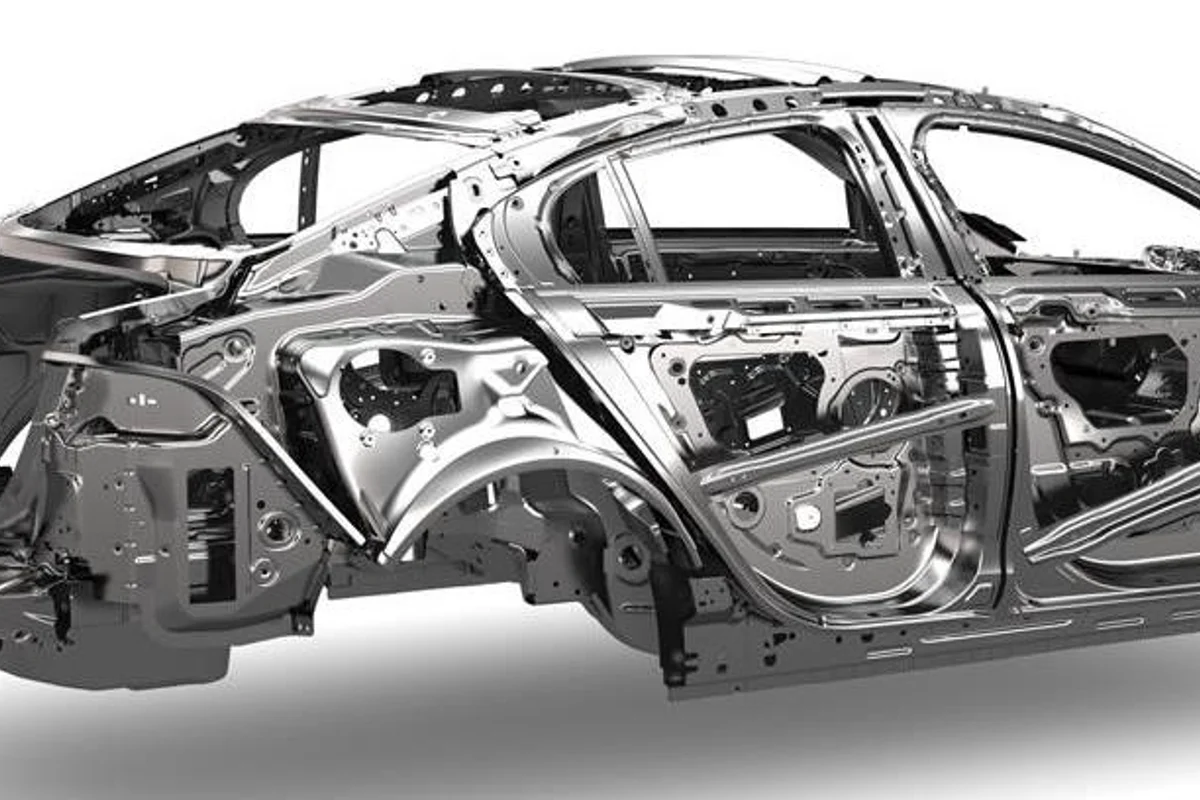
A rapid-paced energy transition through an uninterrupted shift to electric vehicles has designed a new, significant demand stream for aluminium and vital opportunities for auto supply chain organisations.
Steel being cheaper has been the initial choice; however, aluminium consumption in electric vehicles is expected to accelerate over coming years as COVID-19 dashes the move to a green economic recovery.
Aluminium being lighter than steel is now the metal of pick in a range of parts, from the chassis, structural components i.e. the shock tower and internal panels to housing for motors and the batteries that power electric cars.
Global aluminium producers such as Rusal, Rio Tinto and Glencore are set to be in an advantageous position.

Auto components making firms such as Mexico's Nemak, Canada's Linamar and France-based Constellium will also be befitted while sitting on both sides is Norsk Hydro, which produces aluminium metal and parts for autos.
Egil Hogna, Head of Extruded Solutions at Norsk Hydro said: "The electric vehicle segment is the bright spot in the automotive segment, currently 20% of sales volume is going to e-mobility and the tendency is increasing.”
Hydro supplies more than 350,000 tonnes of aluminium products to the auto industry every year, with rough estimates showing around 15% of that going to electric vehicles.
It allocated 30% of its auto investment budget within its Extruded Solutions division to products for electric vehicle customers this year and expects annual growth of 20% in some parts of its aluminium product business between 2020 and 2024.

The majority of the customers are in Europe and China, which recently announced measures favouring electric vehicles.
Aluminium prices are typically about three times that of steel. But the industry is prepared to accept the price difference due to the sheer scale of potential sales, an executive involved in the auto supply chain said.
"It's been a long incubation period, but electric vehicles are swinging the pendulum. Aluminium is a higher-performing material than steel."
"Aluminium better protects passengers and the structure of the car in a crash situation, the Crash Management System absorbs the energy created," said Paul Warton, President of Constellium's Automotive Structures and Industry Business.
"When you have an impact you don't destroy the car, you just change the bumper."
Constellium cited the example of a contract with a European firm to provide aluminium door sills and crash management systems for electric vehicles, worth 175 million euros ($206 million), from the second quarter of next year as an example of the changing trend.
CRU analyst James Wren estimates the average amount of aluminium used in electric vehicles is 30% higher than internal combustion engine cars.

"Aluminium battery housing is what many companies want to capitalise on, it's going to be a big market," Wren said.
"To-date Nemak has been awarded contracts to produce aluminium structural and e-mobility components worth about $830 million annually – in turn, this segment could represent around 20% of the company's total revenue by 2023, once this business is ramped up," said Nemak's Chief Executive Armando Tamez.
"Lightweight cast structural components and housings for the electric motor are really interesting growth areas for Linamar as is the battery tray; quite a complex part with very intricate passageways to help cool the battery pack," said Linamar Chief Executive Linda Hasenfratz.
COVID-19 impact: Kaiser Aluminum’s value added revenue decreased to $175 million in Q2
Next articleCarcano Antonio receives ASI Performance Standard Certification for conversion operations and rolling plant
Grow with
AL Circle