Aluminium production in Shanxi during January-August declined 19 per cent YoY: NBS
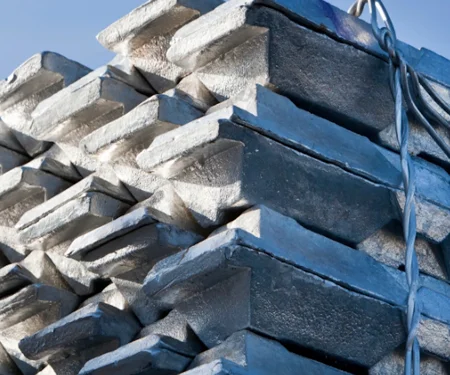
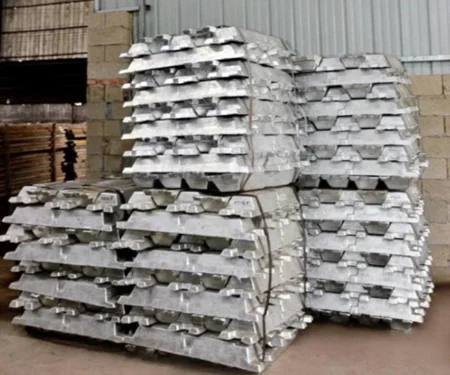
Data from the Shanxi branch of National Bureau of Statistics showed on Monday, September 23, that the aluminium production in the province came in at 530,000 tonnes during January-August, down 19 per cent year on year. Output in August stood at 70,000 tonnes, down 25 per cent from the same period last year, amid tight environmental controls.
Shanxi, as a key aluminium production base, aims to produce 1.1 million tonnes in 2019. The production during January-August could meet 48 per cent of the target, found the Ministry of Industry and Information Technology.
Slow domestic output and tight aluminium ingot supply as a result has thus bolstered the Chinese aluminium prices, with the Shanghai Futures Exchange’s most active November 2019 aluminium futures contract closing at RMB 14,225 per tonne last Friday, higher than the early August prices of RMB 13,855 per tonne, SHFE data learned.
Beijing Antaike said the bauxite shortage in Shanxi was also a factor for the year-on-year fall in aluminium production there. Chinese analysts said China’s clear blue skies plan had been affecting mining in Shanxi since March. The State Council banned many new, pure alumina project, except some of the integrated bauxite, alumina, aluminium smelting and processing ones, in a bid to spruce up the chaotic bauxite mining sector in Shanxi and stop unlawful mining. This, in addition to the government’s goals of producing value-added aluminium products, slowed the aluminium production in the first eight months of the year.

According to China’s Nonferrous Metals Industry Association, China’s national refined aluminium deficit in 2019 is anticipated to widen to 1 million to 1.25 million tonnes from a deficit of 180,000 tonnes in 2018.
A00 aluminium ingot price extends growth by RMB30/t; Australian alumina FOB stands at USD293/t
Next articleBoth LME and SHFE aluminium traded in a tight range on Friday night; likely to trade higher today
Grow with
AL Circle