Alcoa shares up nearly 12% as Iranian strikes on EGA, Alba trigger aluminium supply shock
Aluminium markets soared on March 30, as geopolitical tensions in the Middle East disrupted key supply hubs and pushed prices close to multi-year highs. Shares of Alcoa Corporation rose strongly up to 11.8 per cent in early trading alongside aluminium futures, indicating growing concerns over tightening global supply.
Explore- Most accurate data to drive business decisions with Global ALuminium Industry Outlook 2026 across the value chain
While Press Metal Aluminium Holdings Bhd gained 6.3 per cent and Century Aluminum advanced around 10 per cent, Alcoa extended its gains through the session, closing up 8.23 per cent at USD 63.22 per share, marking its second consecutive day of strong performance.
Over the past three months, the stock has climbed 35.8 per cent, slightly outperforming the broader industry. The sharp spike suggests escalated supply crunch fears owing to the ongoing geopolitical tensions in the Middle East.
How has LME fared in the meantime?
Spike in the Alcoa shares closely resembled the movements in the global aluminium market. The March 30 session on the London Metal Exchange (LME), aluminium prices surged up to nearly 6 per cent to USD 3,492 per tonne, approaching levels last seen in 2022.
In the US, aluminium forward contracts rose about 4 per cent to USD 3,319 per tonne in early trading, with prices gaining roughly 10 per cent since tensions intensified.
This strong price reaction has emerged in a global market that is already tight in supply. Since May 2025, the LME inventories have declined by more than 60 per cent, leaving limited scope to absorb a new wave of supply shocks.
Don't miss out- Buyers are looking for your products on our B2B platform
Aluminium to mirror oil-like geopolitical premium
The current surge marks a shift in aluminium’s positioning in global markets. The recent surge reflects a supply shock hitting an already constrained system.
The Gulf Cooperation Council (GCC) countries, accounting for around 8-9 per cent of global aluminium supply, move their shipments through the Strait of Hormuz trade corridor. Even the minor disruption and instability in the route can shake up global trade, followed by price fluctuations.
Additionally, aluminium’s energy-intensive production process adds to the vulnerability, making it highly sensitive to power disruptions and geopolitical risks as observed in the tightened oil supply scenario.
Given its crucial role across packaging, aerospace, automotive, renewable energy and power infrastructure industries, rising aluminium prices could rapidly inflate broader industrial costs. This has led to the metal increasingly being viewed as a strategic commodity carrying a geopolitical premium.
Must read: Key industry individuals share their thoughts on the trending topics
Alcoa gains momentum: How and why?
The surge in Alcoa shares is closely linked to disruptions across key Gulf producers. Missile and drone strikes by Iran on March 28 caused “significant damage” to the facilities of Emirates Global Aluminium’s (EGA) and Aluminium Bahrain (Alba). EGA’s Al Taweelah facility produced around 1.6 million tonnes of cast metal in 2025.
In early March, Aluminium Bahrain had already initiated a controlled shutdown of Reduction Lines 1, 2 and 3, accounting for 1.62 million tonnes of aluminium or almost 19 per cent of its total capacity, to maintain operational stability amid supply and transit disruptions owing to the Strait of Hormuz block.
Qatar’s Qatalum has also been operating at approximately 60 per cent capacity due to gas supply constraints, further tightening regional output.
Alcoa’s strategic positioning has reinforced its gains. In the past two years, the company has streamlined operations, focusing on low-carbon aluminium and strengthening its asset base in areas holding steady demand across North America and Australia.
Capacity additions are also in the pipeline, such as the restart of the San Ciprián smelter in Spain, which is expected to produce around 228 thousand tonnes of aluminium annually from June 2026. Additional production from the Alumar facility in Brazil and the Lista site in Norway further boosted Alcoa’s supply outlook amid the trying times of geopolitical tensions and a tight global aluminium market.
Trading aluminium across borders? Find out the exact cost you need to bear for the embedded carbon in the product by using this CBAM calculator.

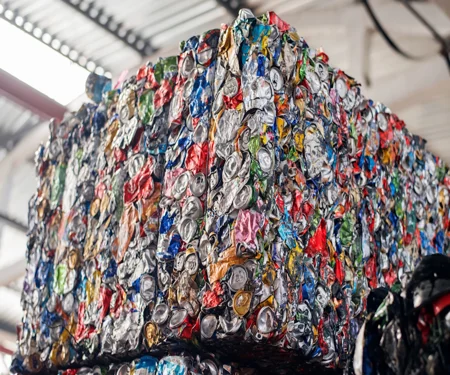
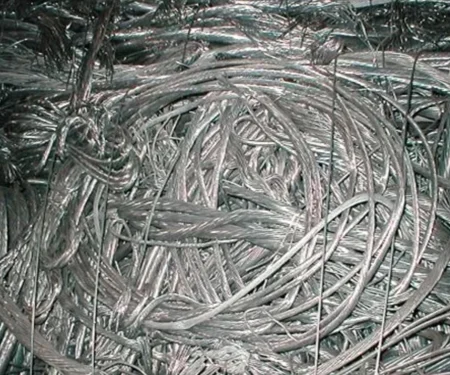
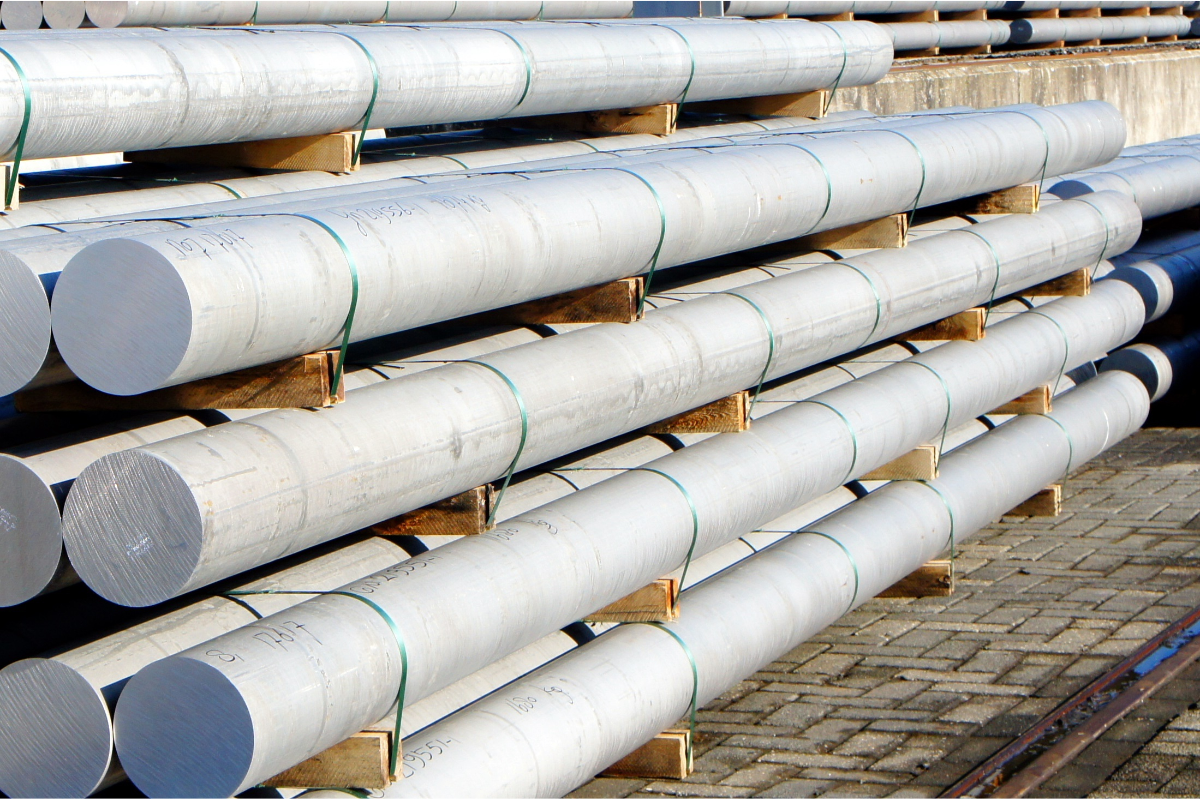
Image for referential purposes only
CHALCO results fall short, yet analysts' forecasts reveal upside
Next articleFitch assigns ‘BBB+’ rating to Chalco HongKong, outlook stable
Grow with
AL Circle